Markets & Policy
 Funding Rounds
Crypto Funding Rounds October 2026: Who Raised and Why It Matters
The October 2026 crypto funding rounds that matter for stablecoins and payments, with a downloadable table of every deal and its source.
 DeFi & Trading
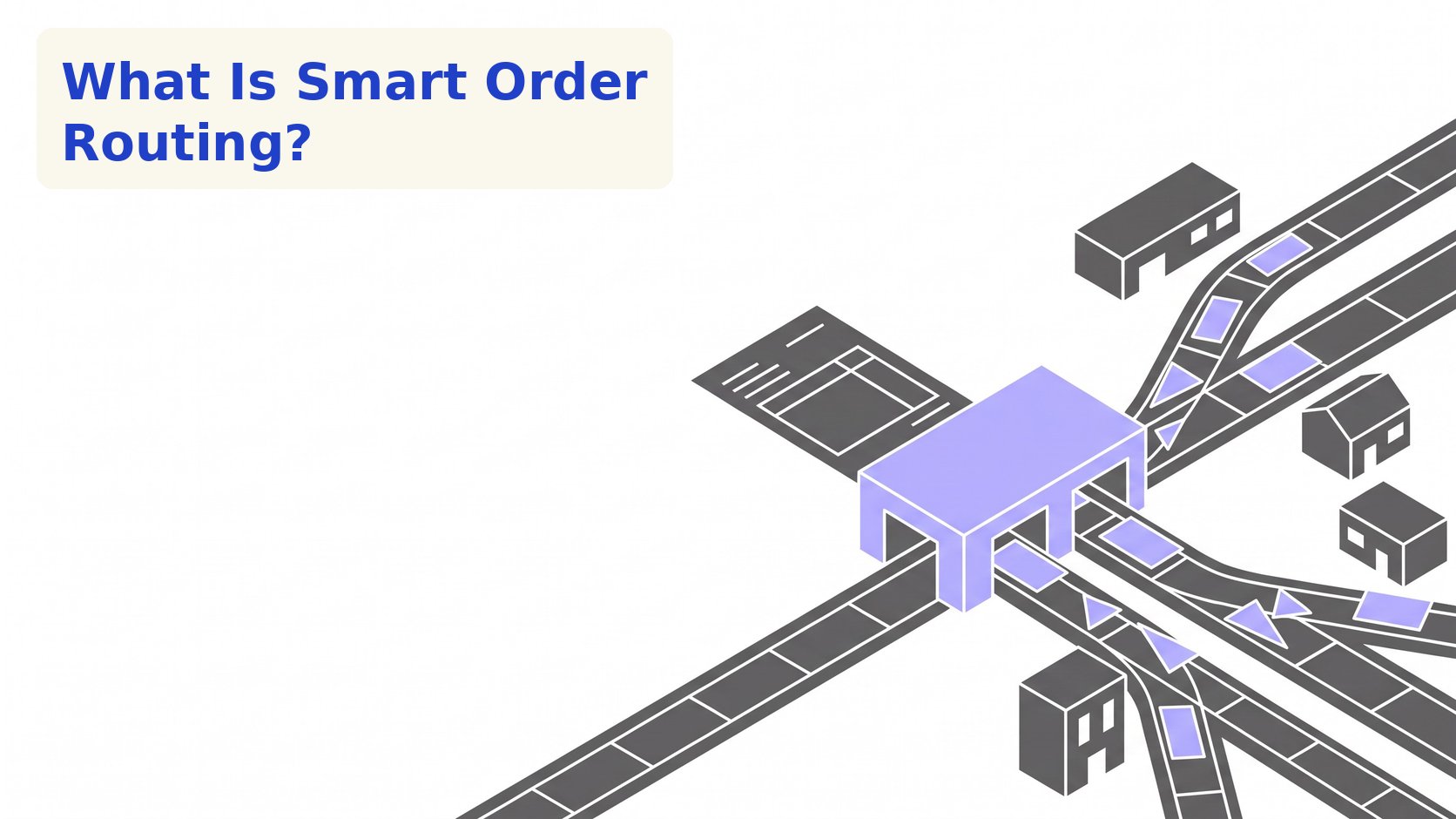
What Is Smart Order Routing?
Smart order routing explained: how routers split trades across venues for the best net price, from Regulation NMS equities to DEX aggregators and intents.
 DeFi & Trading
Best Gasless Swap Platforms Compared
Swap tokens without holding gas: CoW Swap, 1inch Fusion, UniswapX and Matcha Auto compared on who pays gas, approvals, chains and fees.
 DeFi & Trading
Best MEV Protection Tools Compared
MEV Blocker, Flashbots Protect, CoW Swap, UniswapX and 1inch Fusion compared: how each stops sandwich attacks, rebates and chain coverage.
 Institutions
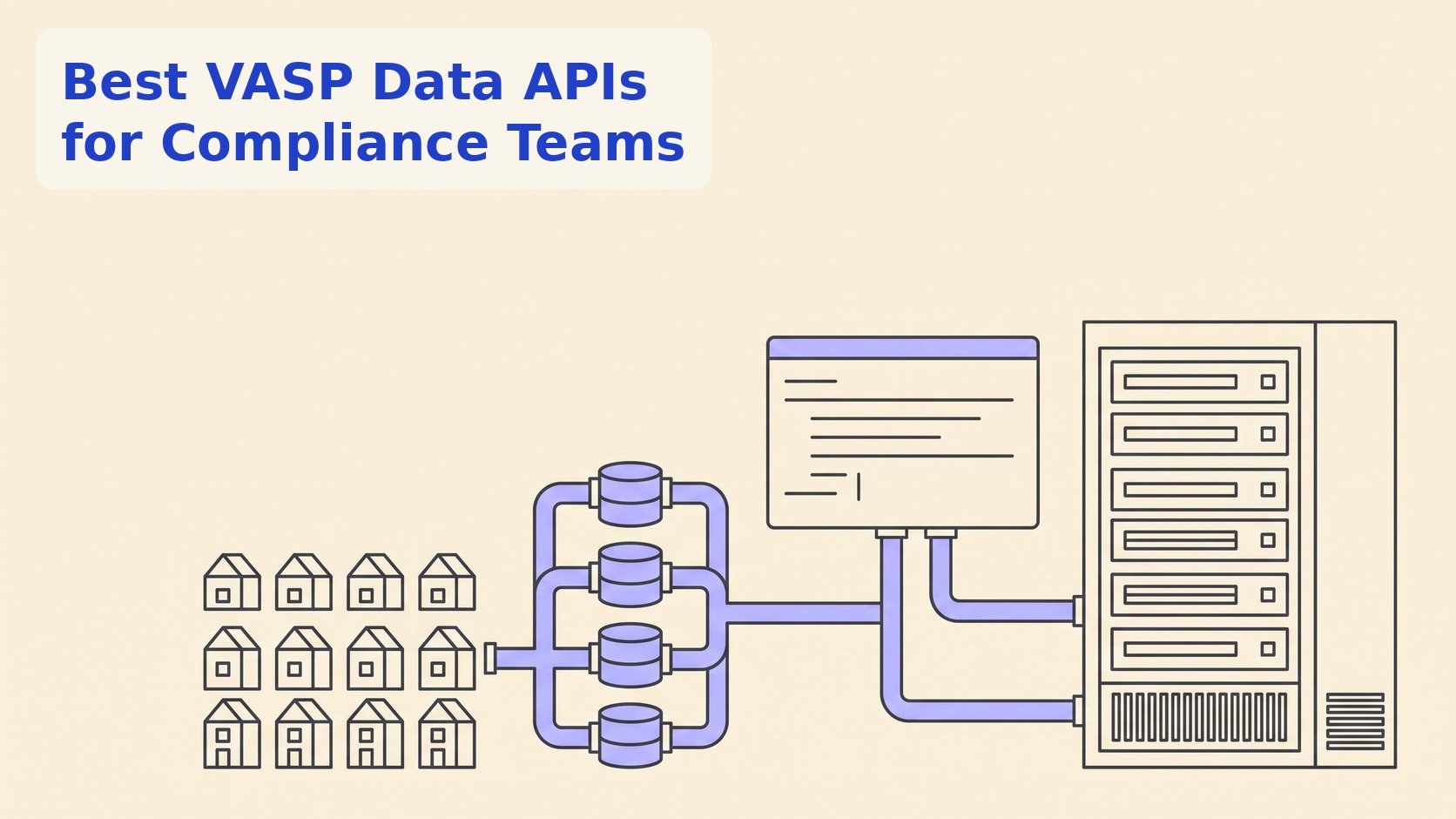
Best VASP Data APIs for Compliance Teams
Best VASP data APIs for compliance teams: commercial VASP risk profiles from Elliptic, TRM, Crystal, Chainalysis and Notabene, plus free sources like GLEIF and regulator registers.
 DeFi & Trading
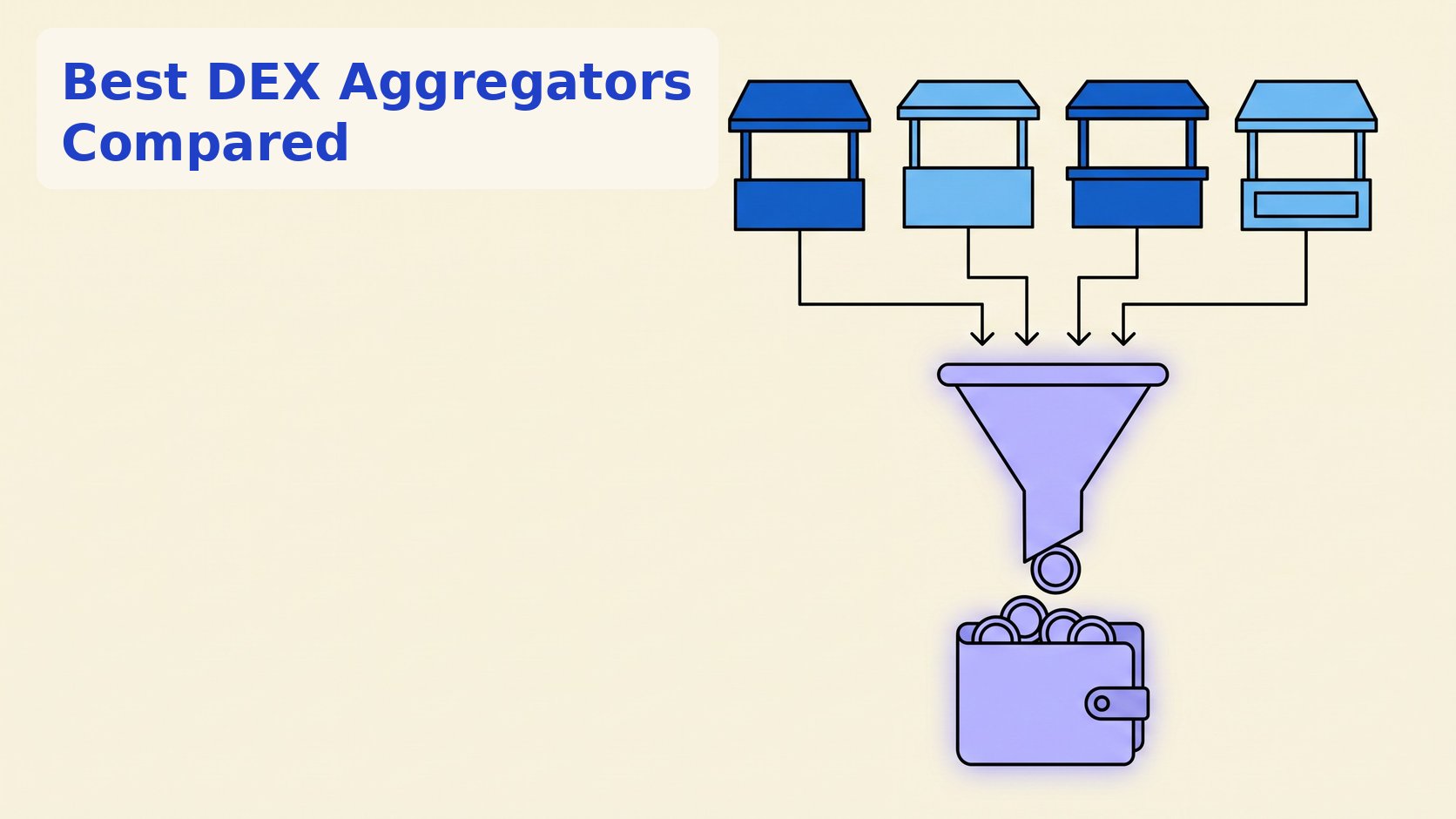
Best DEX Aggregators Compared
1inch, CoW Swap, Matcha, Jupiter, Velora and KyberSwap compared on execution model, chains, MEV protection, gasless trading and fees.
 Institutions
Best Crypto Counterparty Risk Platforms for Institutions
Best crypto counterparty risk platforms for institutions: Chainalysis, Elliptic, TRM Labs, Crystal, Merkle Science and Scorechain compared on attribution, coverage and risk rules.
 DeFi & Trading
What Is Intent-Based Trading?
Intent-based trading explained: you sign the outcome you want and solvers compete to deliver it. How CoW Swap, UniswapX, 1inch Fusion and Across work.
 Institutions
Best VASP Counterparty Screening and Due Diligence Tools
Best VASP counterparty screening and due diligence tools compared: Elliptic Discovery, Crystal, TRM Know Your VASP, Notabene, Chainalysis and Merkle Science.
 DeFi & Trading
Best Cross-Chain Bridges and Swap Platforms Compared
Circle CCTP, Across, Relay, Stargate, Jumper and THORChain compared on trust model, speed, fees and track record, plus when to use each.
 Institutions
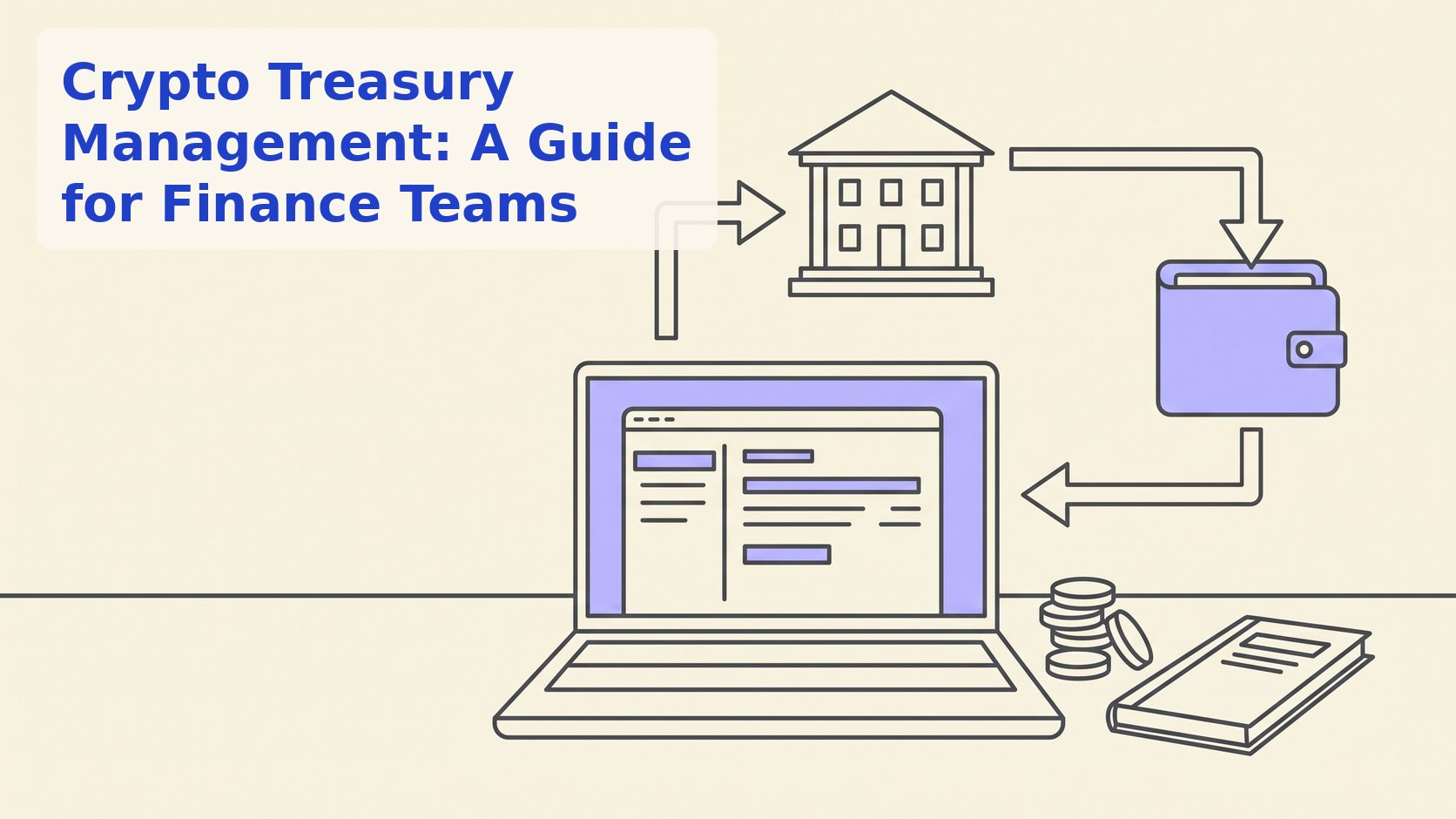
Crypto Treasury Management: A Guide for Finance Teams
Crypto treasury management explained: Bitcoin reserves vs stablecoin operating cash, custody, liquidity, accounting under ASU 2023-08, and the real risks.
 Institutions
Qualified Custodian for Crypto: SEC Custody Rules Explained
Who counts as a qualified custodian for crypto under SEC rules: banks, broker-dealers, state trust companies, the 2025 SEC letter and the October 2026 proposal.
 Tokenization
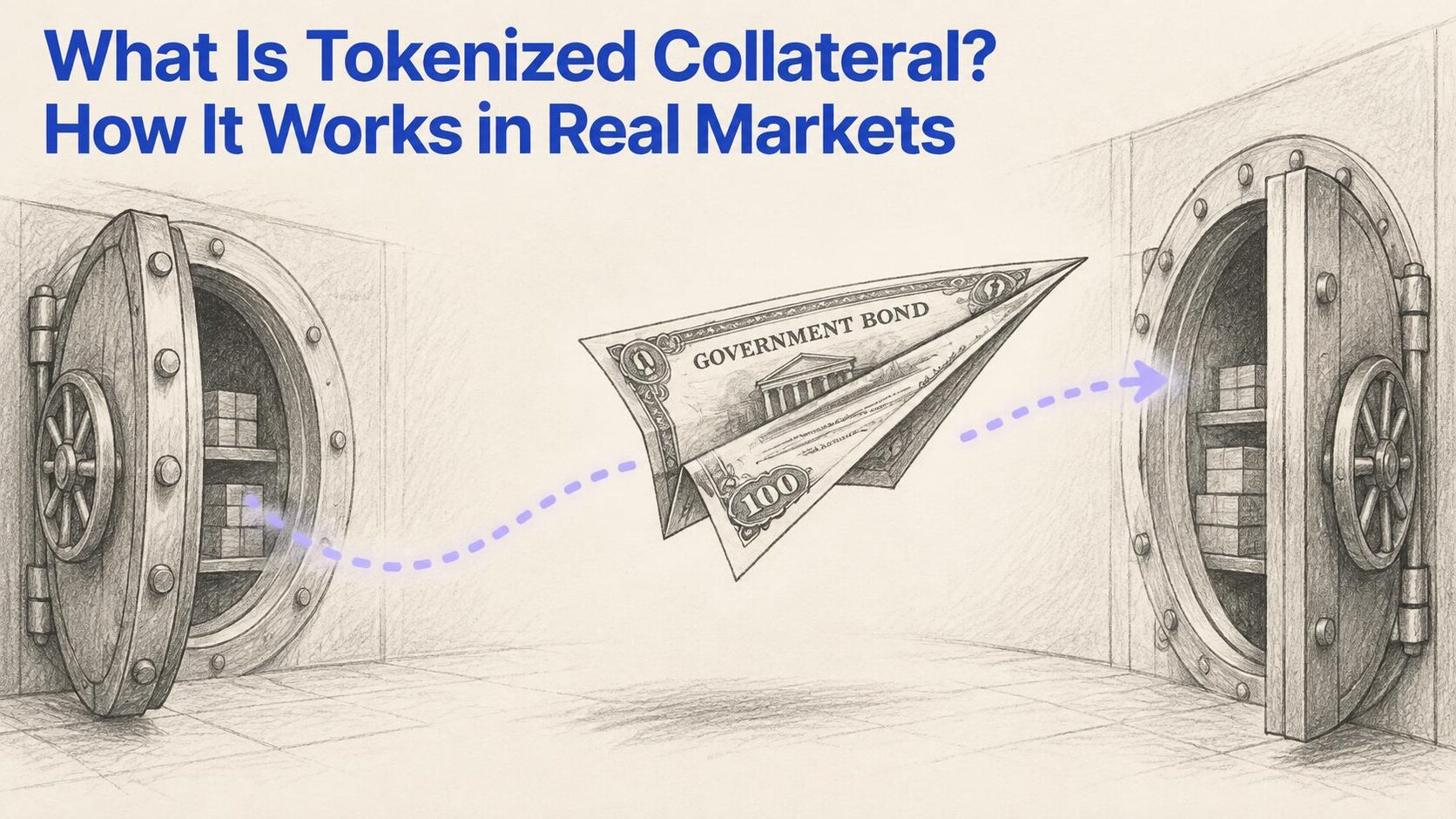
What Is Tokenized Collateral? How It Works in Real Markets
Tokenized collateral is margin and repo collateral moved on a blockchain. How it works, CFTC rules for stablecoins and tokenized Treasuries, examples and risks.
 DeFi & Trading
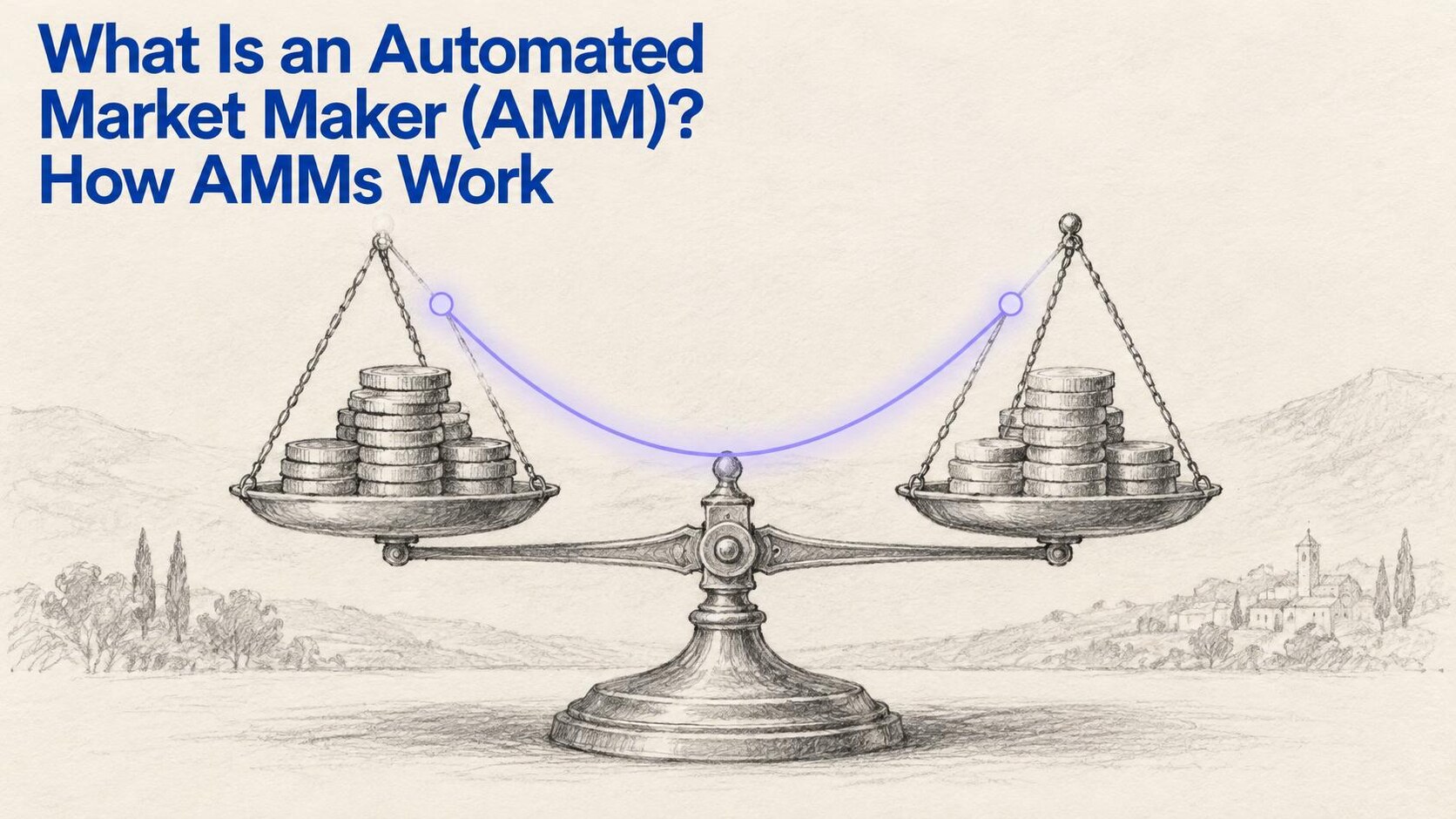
What Is an Automated Market Maker (AMM)? How AMMs Work
An automated market maker prices trades with a formula and a liquidity pool, not an order book. How AMMs work, stablecoin pools, arbitrage and impermanent loss.
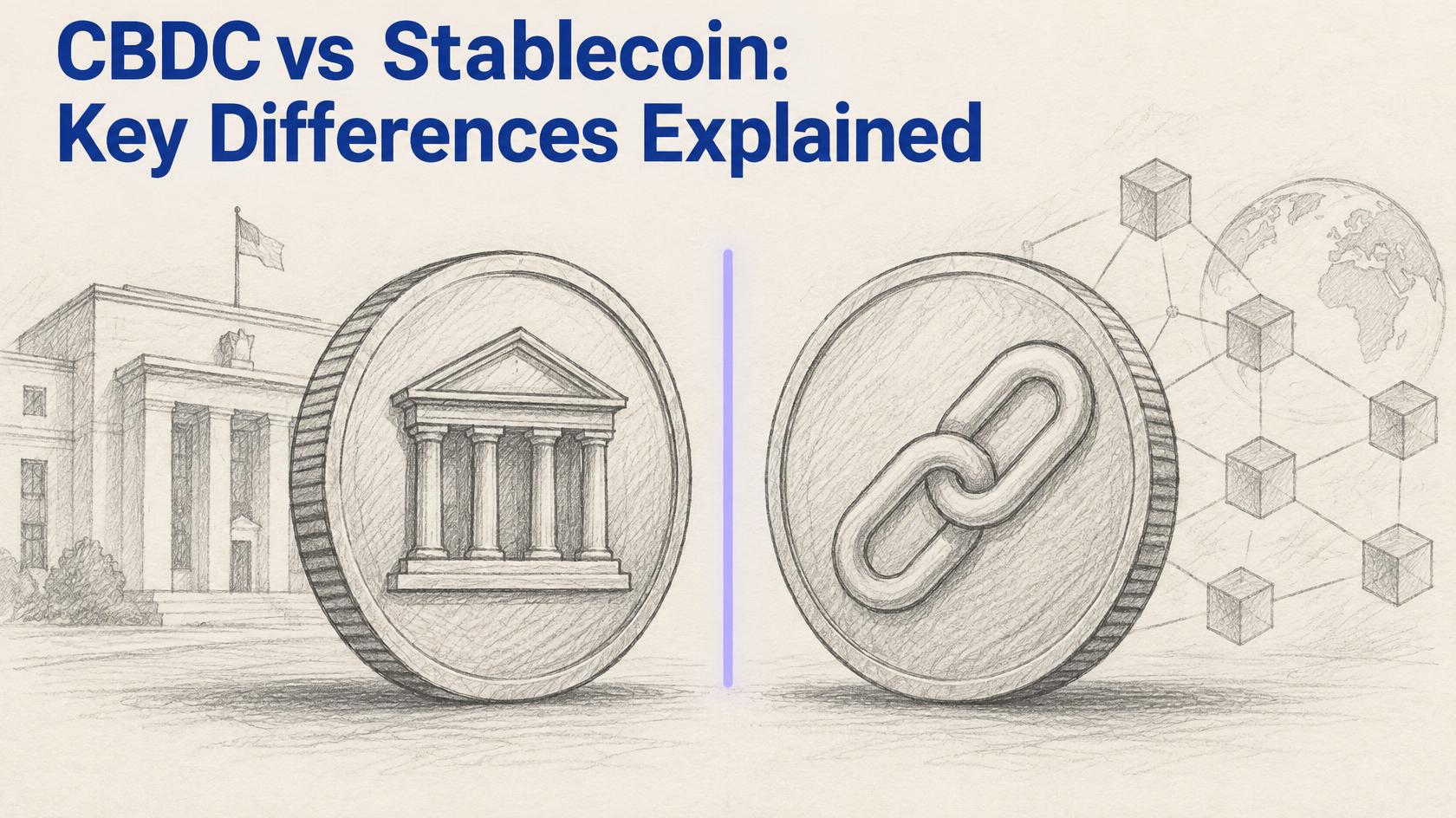 Policy
CBDC vs Stablecoin: Key Differences Explained
A CBDC is central bank money; a stablecoin is a private token backed by reserves. How they differ on issuer, risk, privacy, adoption and coexistence.
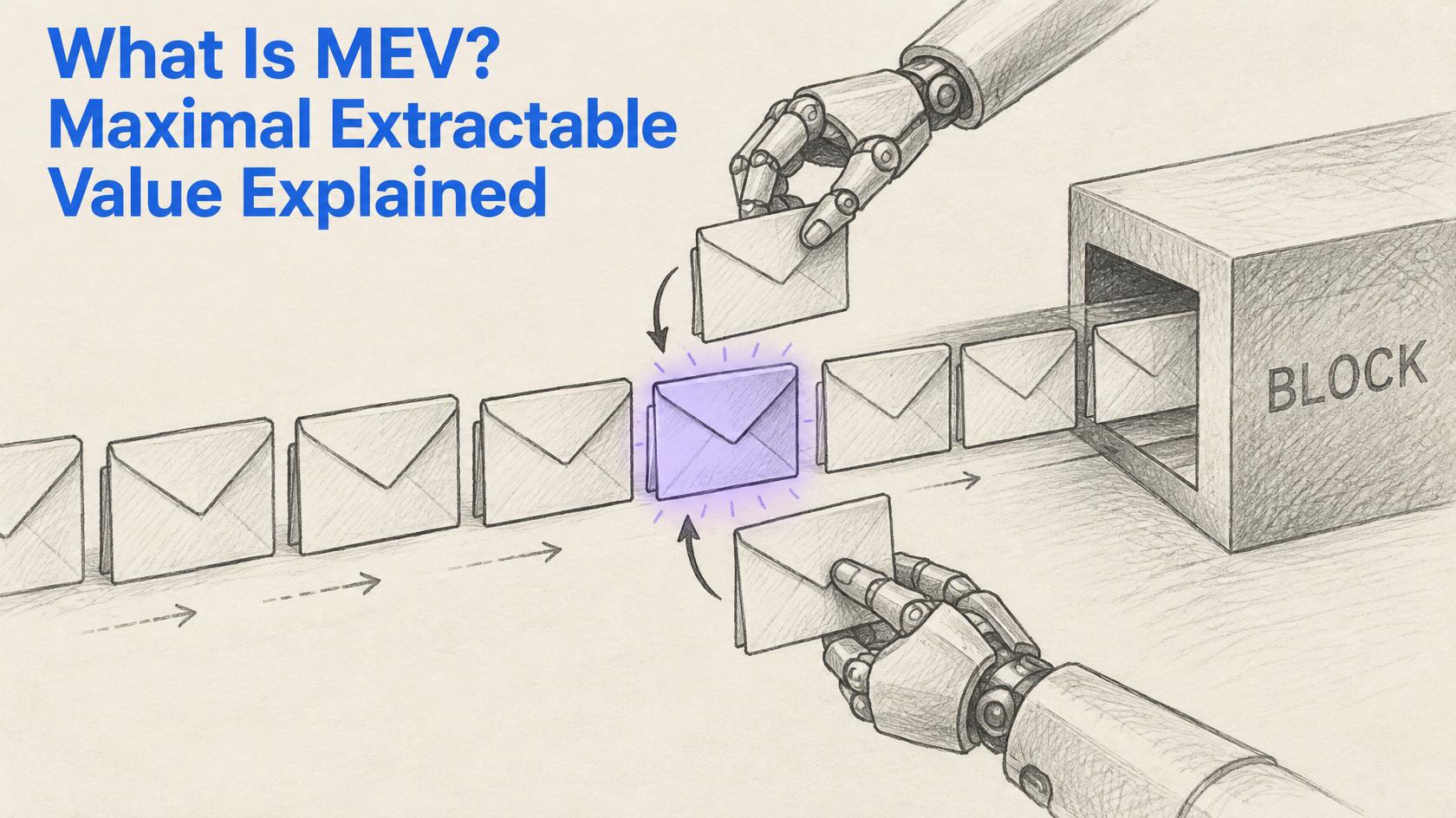 DeFi & Trading
What Is MEV? Maximal Extractable Value Explained
MEV is the profit bots and block builders extract by ordering transactions. How it works on Ethereum and Solana, sandwich attacks, and how to protect swaps.
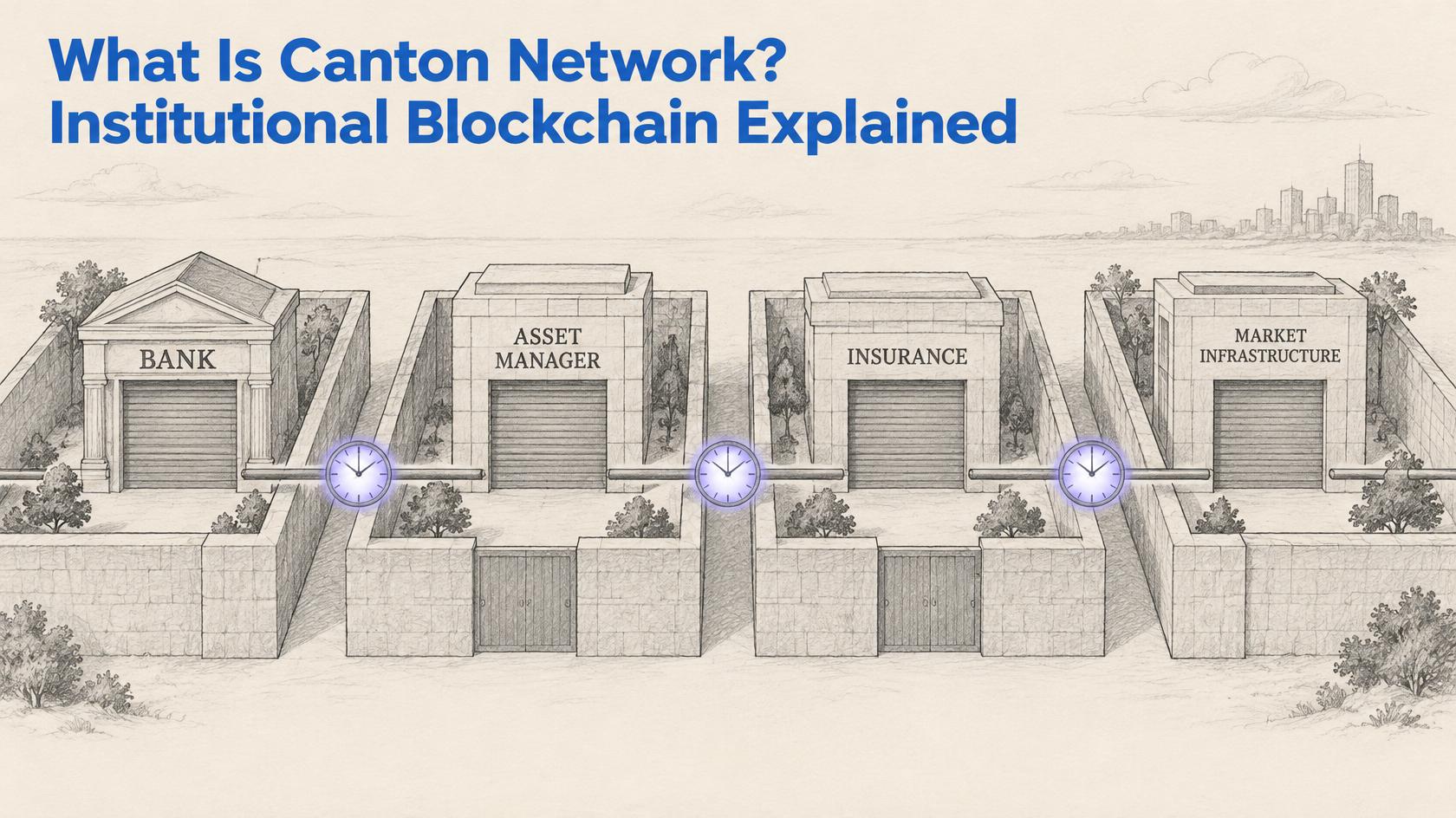 Tokenization
What Is Canton Network? Institutional Blockchain Explained
Canton Network is a privacy-focused blockchain for regulated finance. How it works, Canton Coin (CC), DTCC and repo use, and the trade-offs.
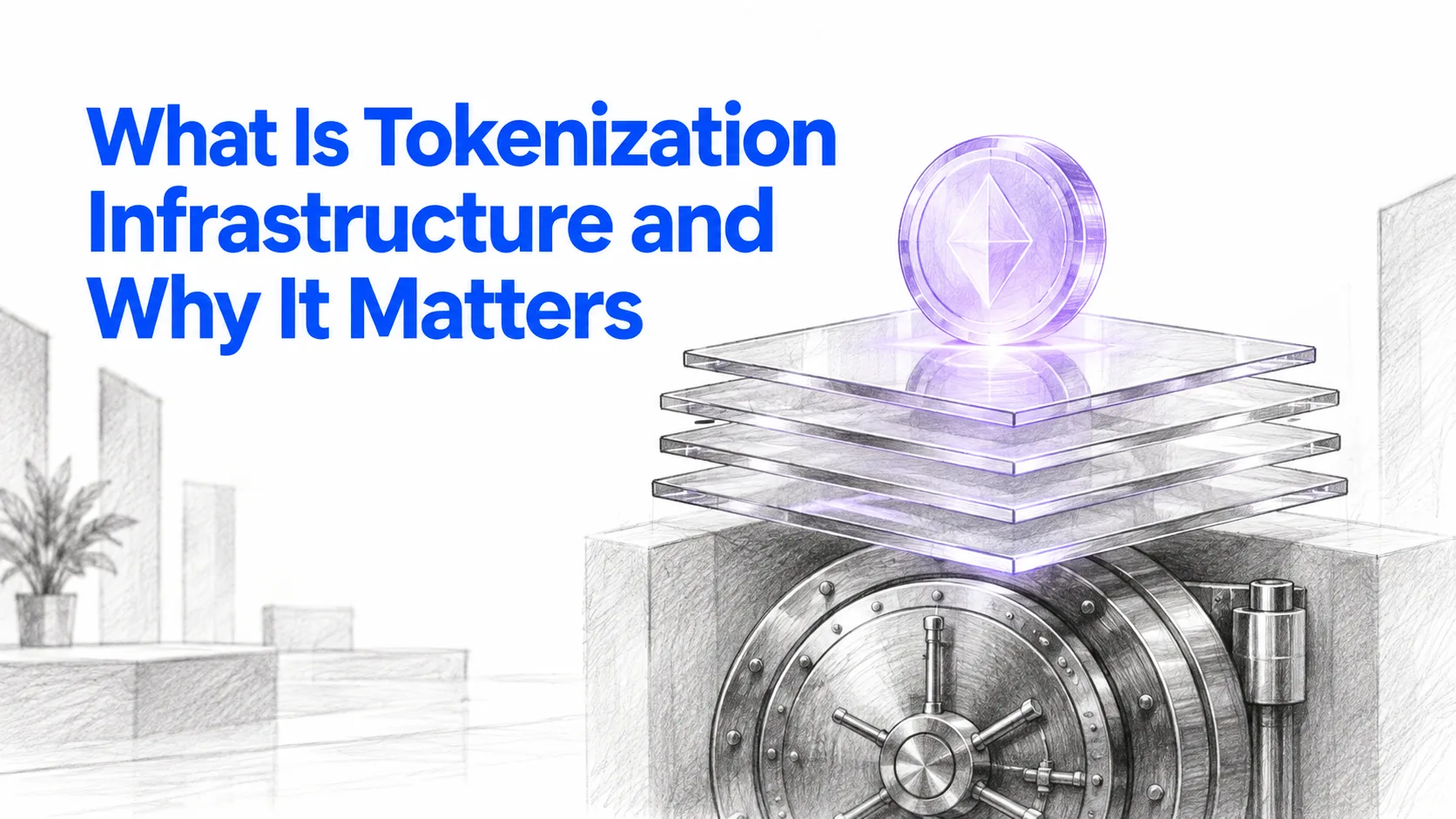 Tokenization
What Is Tokenization Infrastructure and Why It Matters
Tokenization is not a token. It is a stack of issuance, custody, compliance, settlement and audit systems, and the weakest layer decides whether the asset works.
 Tokenization
What Are Tokenized Funds and How Do They Work
Fund shares on a shared ledger, the fund structure unchanged. A neutral mechanics walk-through with a worked subscription-to-redemption example for institutional readers.
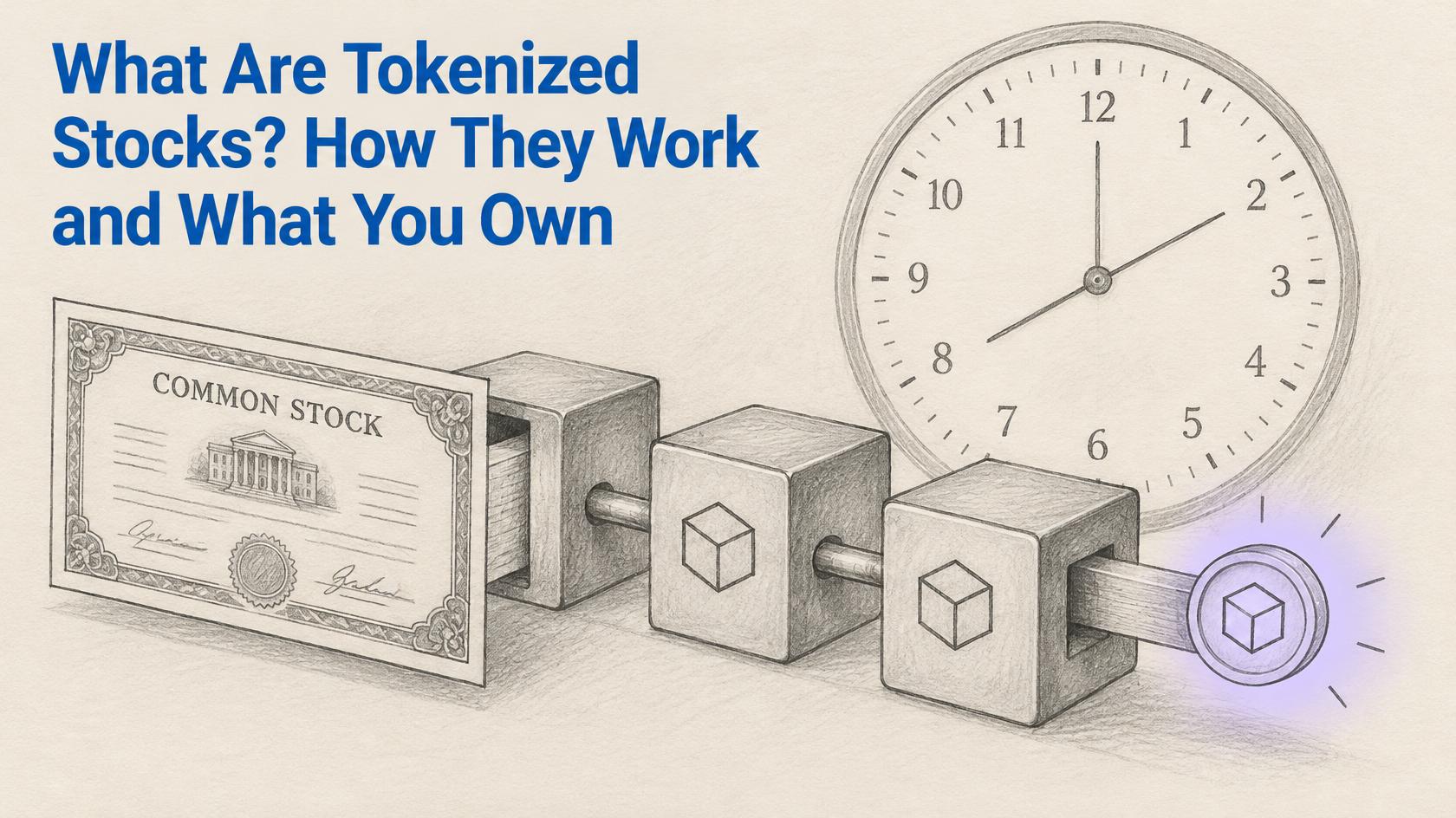 Tokenization
What Are Tokenized Stocks? How They Work and What You Own
Tokenized stocks put shares or share exposure on a blockchain. Issuer-backed vs third-party models, the SEC innovation exemption, risks, and where to trade.
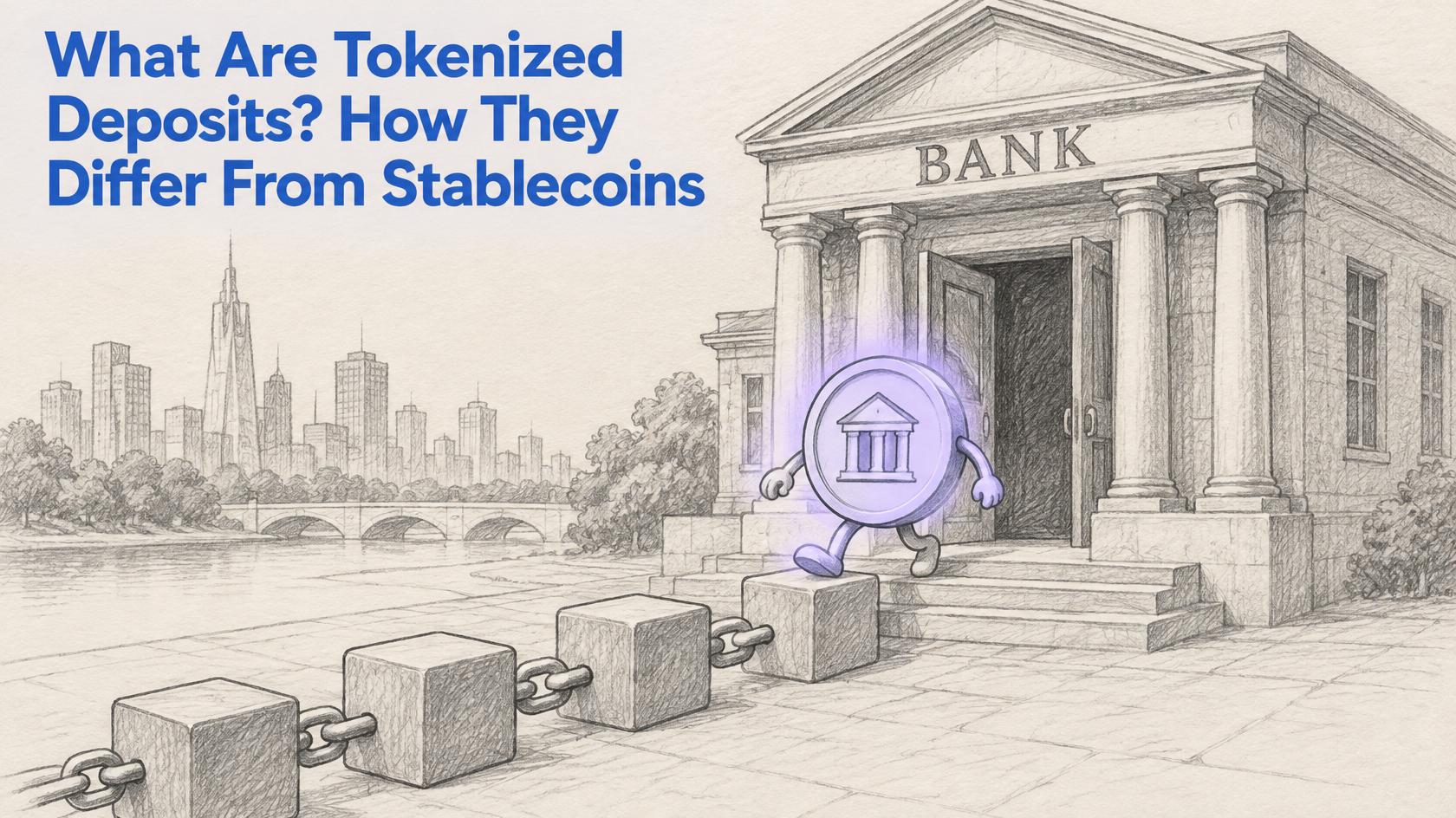 Tokenization
What Are Tokenized Deposits? How They Differ From Stablecoins
Tokenized deposits are bank deposits recorded on a blockchain. How they work, how they differ from stablecoins, and which banks offer them, from JPMD to Citi.
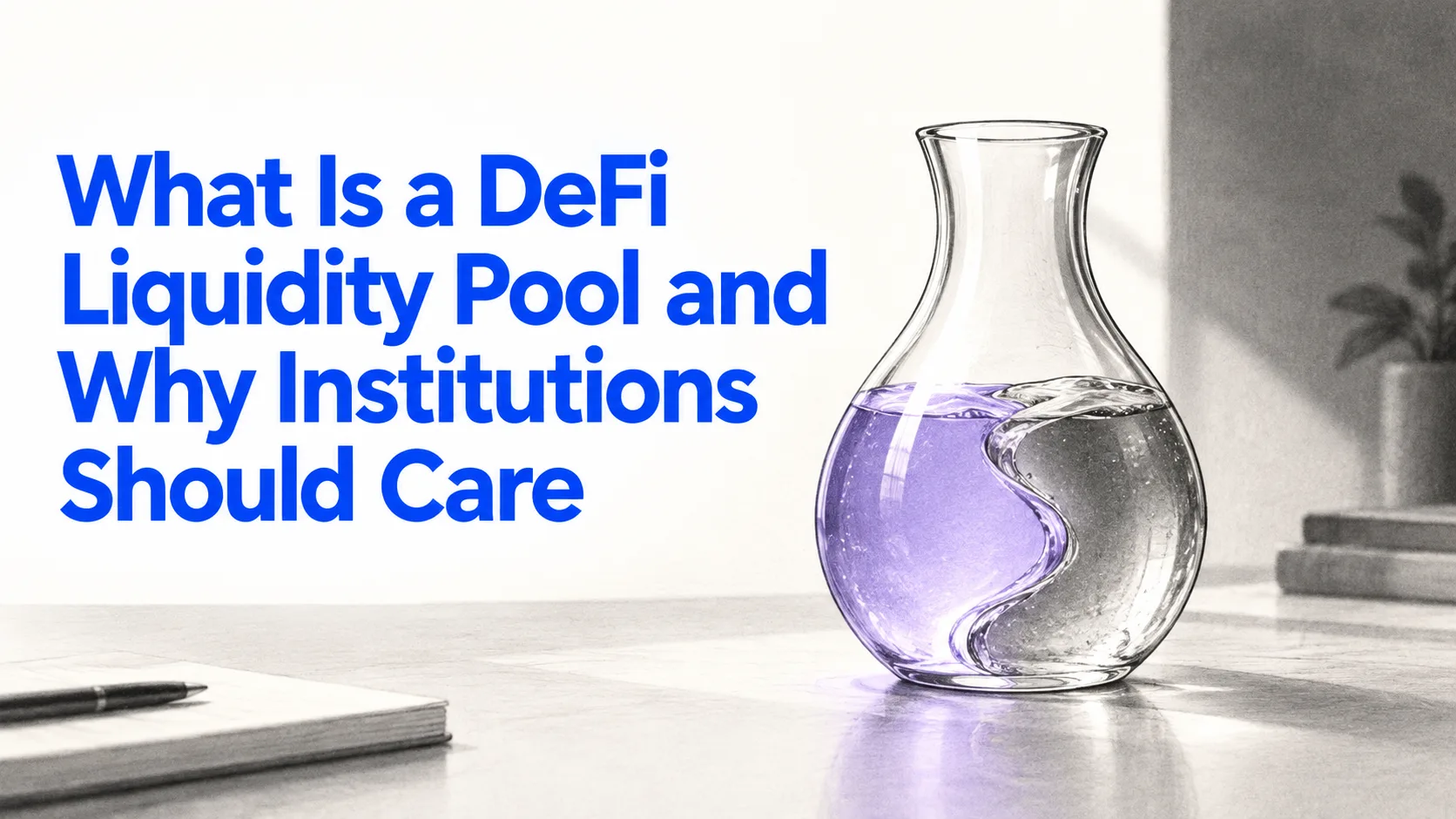 DeFi & Trading
What Is a DeFi Liquidity Pool and Why Institutions Should Care
Pools are the settlement layer of on-chain trading. A worked constant product example shows where LP returns come from, and where impermanent loss takes them back.
 DeFi & Trading
What Is Dark Pool Liquidity and Its Role in Onchain Markets
Hidden order flow is not an equities quirk. A worked block-trade example and an equity-to-onchain mapping show why the need for dark execution follows large orders everywhere.
 Institutions
The Ripple Mastercard Partnership Explained: What It Means for Institutions
Headlines merge a card settlement pilot, a partner program and price chatter. We separate the Ripple and Mastercard items into a dated timeline with institutional context.
 Policy
What Is MiCA? The EU Crypto Regulation Explained
MiCA is the EU rulebook for crypto issuers, stablecoins and service providers. How it works, who it covers, and what changed when the transition ended.
 Policy
What Is the CLARITY Act? Crypto Market Structure Explained
The CLARITY Act would split crypto oversight between the SEC and CFTC. What the bill does, why the Senate blocked it 49-50, and what happens next.
 Policy
PayPal Bank Charter Application: What It Means for On-Chain Finance
Why PayPal's Utah industrial loan company filing reshapes the competitive map for stablecoin issuers, SMB credit protocols, and anyone building regulated dollar rails.
 Tokenization
Tokenized Money Market Funds: How On-Chain MMFs Actually Work
tMMFs are not a new asset class. They are MMF shares on a shared ledger, and the operational edge sits in collateral mobility, atomic settlement, and 24/7 transfer.
 Institutions
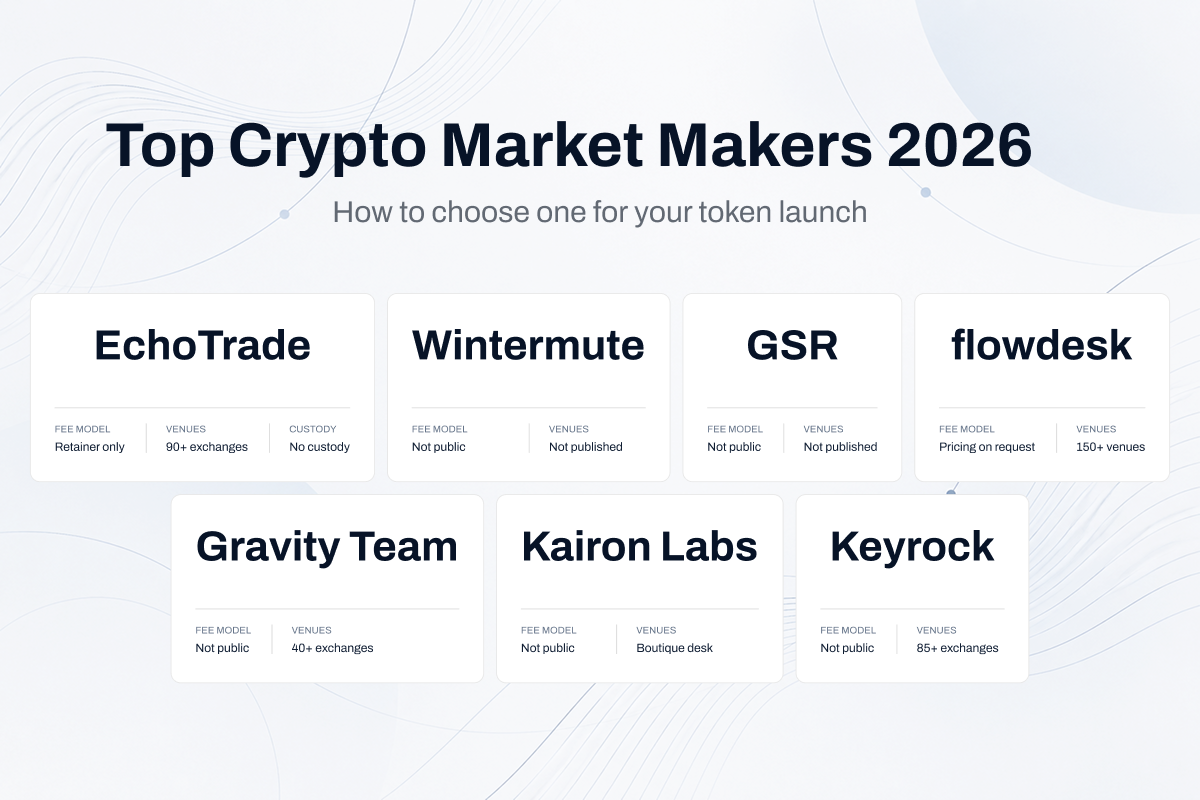
Top Crypto Market Makers in 2026: How to Choose One for Your Token Launch
The main crypto market makers in 2026, compared on venue coverage, services and custody. A five-question diagnostic to work out which one fits your launch.
 Tokenization
Best RWA Tokenization Platform for Institutions: Top Options Compared
Brickken, Securitize, and Tokeny compared for institutional RWA tokenization on asset coverage, compliance model, and regulatory credentials.
 Institutions
Best Blockchain for Institutions: Top Options Compared
Rayls, Canton Network, and R3 Corda compared for institutional blockchain infrastructure on privacy, compliance, and real production track record.
 Institutions
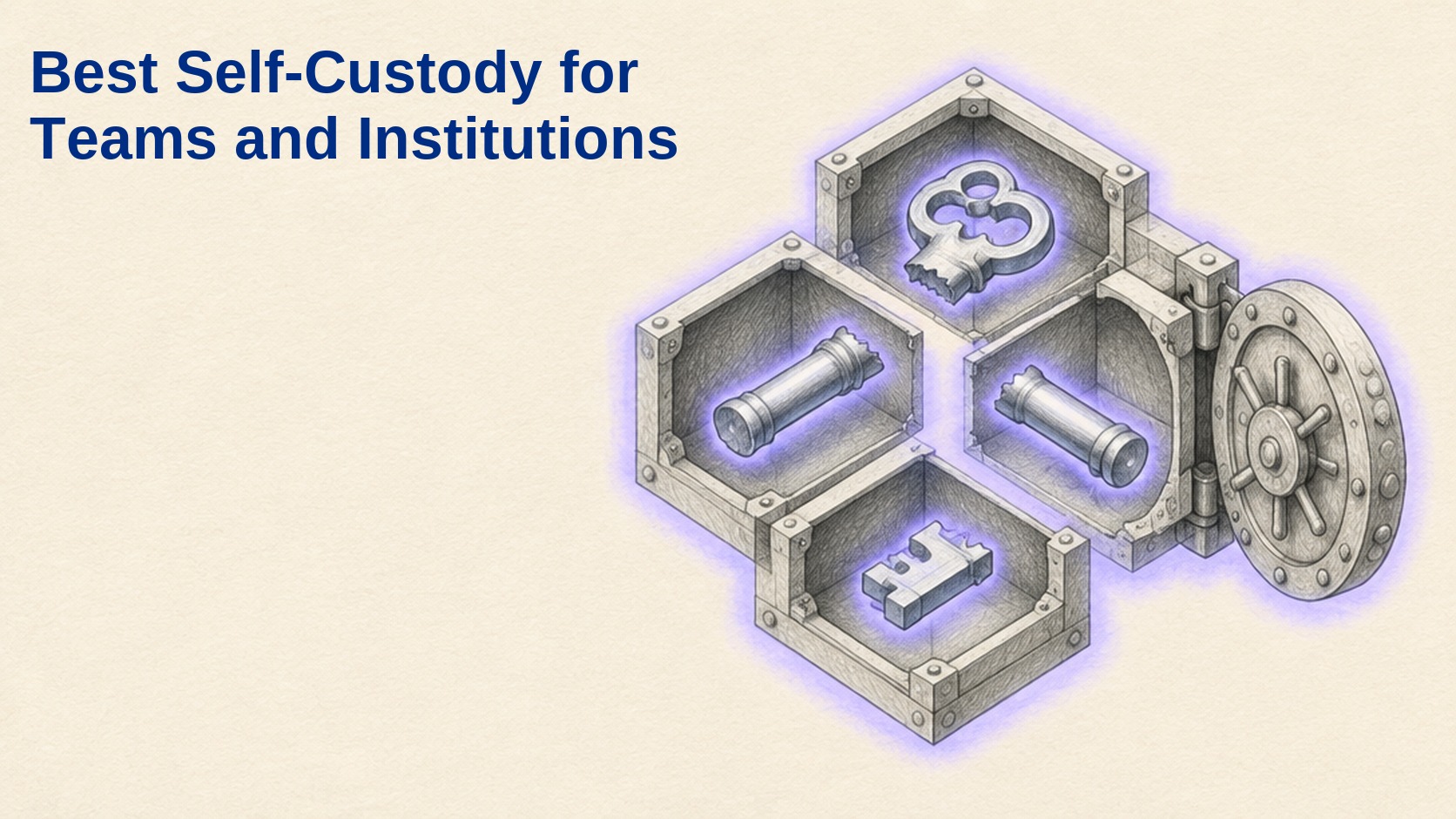
Best Self-Custody Solutions for Teams and Institutions: Top Options Compared
Fireblocks, Cobo, Copper, and ChainUp compared for institutional self-custody: MPC architecture, key-share model, and compliance-ready integrations.
 Institutions
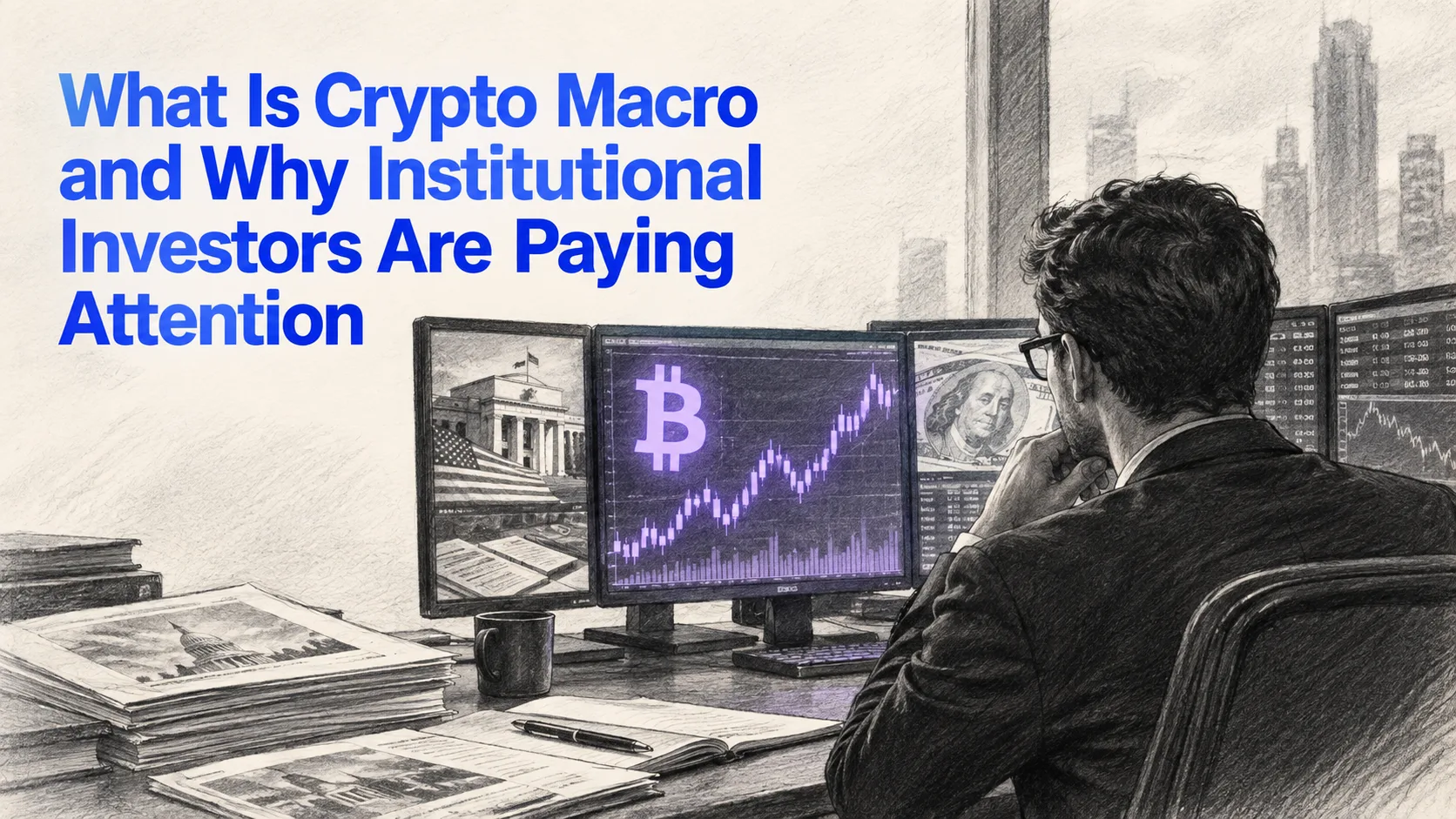
What Is Crypto Macro and Why Institutional Investors Are Paying Attention
A working definition of crypto macro, the four drivers that matter, and why allocators are pricing Bitcoin exposure off Fed policy rather than halving cycles or chart patterns.
 Institutions
What Is Digital Asset Custody? An Institutional Guide
Whoever holds the keys holds the asset. A research-brief walkthrough of custody models, storage architecture, and the criteria institutions actually use to select a provider.
 Institutions
Institutional Custody: How Digital Asset Safekeeping Works
A research-brief walkthrough of how digital asset custody actually works, from MPC key shards and bankruptcy-remote segregation to OCC charters and provider selection.
 DeFi & Trading
Best Secondary Market Trading Platforms Compared (2026)
We compare 5 secondary market platforms for private assets on fees, minimums and liquidity model. EquityZen charges 2.5% per side; Clarity (formerly Hiive) leads on price data.
 Institutions
Q1 2026 Crypto Market Forecast: Institutional Outlook
Prices cratered, fundamentals compounded. A read on Q1 2026 for treasurers and allocators trying to separate the price cycle from the infrastructure cycle underneath it.
 Institutions
Cryptocurrency Market Analysis: Frameworks Institutions Use
A structured look at how institutional desks combine on-chain data, tokenomics, liquidity, and macro signals into a repeatable analytical process for digital assets.
 Tokenization
What Is Real Estate Asset Tokenization? Explained
A concise institutional primer on how tokenized property rights are structured, issued, and transferred, and where the legal and liquidity constraints actually bind.
 Institutions
Institutional Crypto Adoption: What It Means (2026)
Institutional crypto adoption explained: what it actually looks like in 2026, from OTC desk usage to tokenized treasury allocations.
 Institutions
Best Travel Rule Solutions for Enterprise VASPs (2026)
Notabene, Sygna, Sumsub, and Veriscope compared for enterprise VASPs on counterparty network size, regional reach, and integration model.
 Tokenization
What Is Digital Asset Tokenization? Explained For Finance
A finance-focused primer on how tokenization restructures issuance, settlement, and custody, why institutions are piloting it, and where the legal and liquidity constraints still bite.
 Tokenization
Robinhood RWA Tokenization And The SEC Explained
A close read of Robinhood's April 2025 SEC letter, its live EU Stock Tokens, and what a federal tokenization framework would mean for U.S. institutional allocators.
 Policy
CBDC Ban Explained: Where Digital Currency Is Blocked
The U.S. has legislated against a Federal Reserve digital dollar through 2030 while carving out private stablecoins. The implications for institutional operators are structural.
 Policy
What Is CBDC? Central Bank Digital Currency Meaning Explained
A concise research brief on what CBDCs actually are, how retail and wholesale designs differ, which jurisdictions are live, and where the technology overlaps with stablecoins.
 Policy
Anti-CBDC Surveillance State Act Explained For Finance Teams
H.R. 1919 forecloses a retail Federal Reserve digital dollar and reaches foreign CBDC holdings. The operational consequences land on treasury, custody, and correspondent banking desks.
 Institutions
What Is Institutional Liquidity? A Market-Structure Explainer
A concise research brief on how institutional liquidity is sourced, tiered, and consumed, and why stablecoin rails now sit at the center of digital-asset execution.
 Tokenization
BlackRock USD Institutional Digital Liquidity Fund Explained
A concise institutional brief on BUIDL, BlackRock's tokenized money-market fund: mechanics, portfolio, regulatory perimeter, and how it sits against BENJI, OUSG, and USTB.
 Institutions
What Is Institutional DeFi? Explained For Asset Managers
A research brief on institutional DeFi for treasurers and allocators: what the J.P. Morgan definition includes, what it excludes, and where the balance-sheet wins actually sit.
 Institutions
Ripple Institutional DeFi Roadmap Explained For Allocators
A research-brief read on what is live on XRPL today, what Ripple has committed to for 2026, and how allocators should separate infrastructure signal from token narrative.
 Institutions
Institutional Adoption Of Crypto Explained: Drivers And Data
A research-brief walkthrough of the capital, catalysts, and infrastructure moving institutional balance sheets from crypto observers to crypto allocators.
 Policy
Genius Act Passed: What The Stablecoin Law Changes Now
A regulator-focused brief on the GENIUS Act: reserve rules, the $10B oversight threshold, BSA integration, the jurisdictional carve-out, and what still isn't settled.
 Policy
What Is The Genius Act 2025? Stablecoin Rules Explained
A concise institutional brief on the GENIUS Act: reserve rules, charter tiers, BSA compliance, and the open policy questions that implementing regulators will resolve through 2026.
 Policy
Genius Act Summary: The Key Provisions Explained
A concise institutional read on the GENIUS Act: what a payment stablecoin is under federal law, who may issue one, and how the 1:1 reserve and yield-ban rules bind.
 Policy
Genius Act 2025 Explained: What The Stablecoin Law Does
A concise institutional brief on the GENIUS Act: what it regulates, who qualifies as a permitted issuer, and how the reserve, AML, and insolvency mechanics reshape the U.S. stablecoin market.
 Tokenization
Top RWA Tokenization Companies To Watch In 2026
On-chain real-world assets crossed $20B in 2026. Here is how the eight leading RWA tokenization companies stack up on compliance, distribution, and asset coverage.
 Tokenization
 Of Real World Assets Explained For Finance Teams
A concise research brief for treasurers and allocators on how real world asset tokenization actually works, where the risk sits, and how to scope a first pilot.
 Tokenization
How To Tokenize Real World Assets: Process And Requirements
A practical, seven-step process for turning real world assets into compliant on-chain tokens, with the jurisdictional, custody, and audit requirements that decide whether an issuance ships.
 Tokenization
Tokenizing Real World Assets Explained: Process And Players
A concise research brief on how RWAs move from custody vault to onchain claim, who the operative players are, and where the structural risks actually sit.
 Tokenization
What Are Tokenized Treasuries And How Do They Work
A concise research brief on tokenized U.S. Treasuries: how issuance, custody, and yield accrual actually work, who the dominant issuers are, and where the honest risks sit.
 Policy
What Is the GENIUS Act? Stablecoin Regulation Explained
The GENIUS Act (Guiding and Establishing National Innovation for U.S. Stablecoins Act) is the first comprehensive federal law governing payment stablecoins in the United States, signed by President Trump on July 18, 2025. It establishes who
 Policy
SEC Crypto Policy Explained: What Institutions Need to Know
SEC crypto policy has shifted substantially in 2026, giving institutions clearer rules for digital asset compliance than at any point in the past decade. The SEC's March 2026 joint interpretation with the CFTC established a formal token tax
 Tokenization
What Is Tokenization in Finance?
Tokenization in finance is the process of creating a digital representation of a real-world asset on a blockchain or distributed ledger, so that the asset can be transferred, traded, and settled programmatically. Real estate, government bon
 Tokenization
 in Finance: How On-Chain Assets Work
Asset tokenization is the conversion of real-world assets such as real estate, bonds, and money market funds into blockchain-based digital tokens, changing how ownership is recorded, transferred, and settled. Stablecoin.nyc covers the infra
 Institutions
Enterprise Stablecoin Treasury: Best Platforms Compared
Fireblocks, Anchorage, BitGo, Circle Mint, and Copper compared for enterprise stablecoin treasury on custody, automation, and audit reporting.