What Is Tokenization in Finance?
Tokenization in finance is the process of creating a digital representation of a real-world asset on a blockchain or distributed ledger, so that the asset can be transferred, traded, and settled programmatically. Real estate, government bonds, private credit, and money market fund shares are all moving on-chain.
Definition: What Tokenization Means in Finance
The Precise Technical Definition
Tokenization is the process of issuing a blockchain token that digitally represents ownership of a real or financial asset. Bodies including the IMF, the World Bank Digital Finance group, and asset managers such as J.P. Morgan Asset Management describe tokens as programmable representations governed by smart contracts, which are self-executing code that encodes the rules for ownership and transfer without a central intermediary. Coverage of the underlying fundamentals of on-chain finance lays out how these ledgers, tokens, and contracts interact.
The distributed ledger sits underneath. It is immutable and cryptographically secured, meaning every change is visible to authorized participants and cannot be silently altered. Tokenization applies to both tangible assets, such as real estate and commodities, and intangible assets, such as equities, bonds, fund shares, and data rights. As analysis of tokenization market dynamics shows, the same primitives support very different asset classes.
In Plain English
A tokenized asset is a claim on something real, recorded and moved by code instead of by a chain of custodians and reconciliation files. A token is always a smart contract, but not every smart contract is a token. That distinction matters when evaluating what can and cannot be tokenized: a lending contract is code, a bond token is code plus a legally enforceable ownership claim.
How Tokenization Works: The Mechanics

From Asset to Token: The Process Step by Step
An asset must first be legally structured so ownership rights can be represented digitally. A special-purpose vehicle, fund wrapper, or direct issuance contract creates the legal envelope. A smart contract is then deployed on a blockchain to encode those rights as a token, with transfer rules, whitelists, and redemption logic written into the code itself. Institutional coverage of tokenization desks shows how large banks are standardizing this pipeline for repeat issuance.
Smart Contracts and Settlement
Settlement on a blockchain operates continuously, not on business hours or T+1 clearing windows. That property enables near-instant cross-border transfers and materially reduces intraday collateral requirements. Programmability lets tokens automatically enforce transfer restrictions, dividend distributions, and redemption conditions without manual intervention. J.P. Morgan Asset Management documents that all participants in a tokenized network interact with the same asset under the same rules, cutting reconciliation and duplicative record-keeping. For a longer view on how this reshapes clearing, see the argument in the great decoupling of Treasury-backed assets.
A Concrete Worked Example
Consider a $500 million commercial real estate fund. The sponsor divides the fund into 500,000 tokens, each representing $1,000 of beneficial ownership. Holders can transfer tokens on a permissioned secondary market without waiting for a quarterly redemption window, and dividends flow through the contract on a defined schedule. The same pattern applies to private credit and receivables, both discussed in macro coverage of digital collateral.
Why Tokenization Matters: Key Benefits for Financial Markets
Efficiency and Settlement Speed
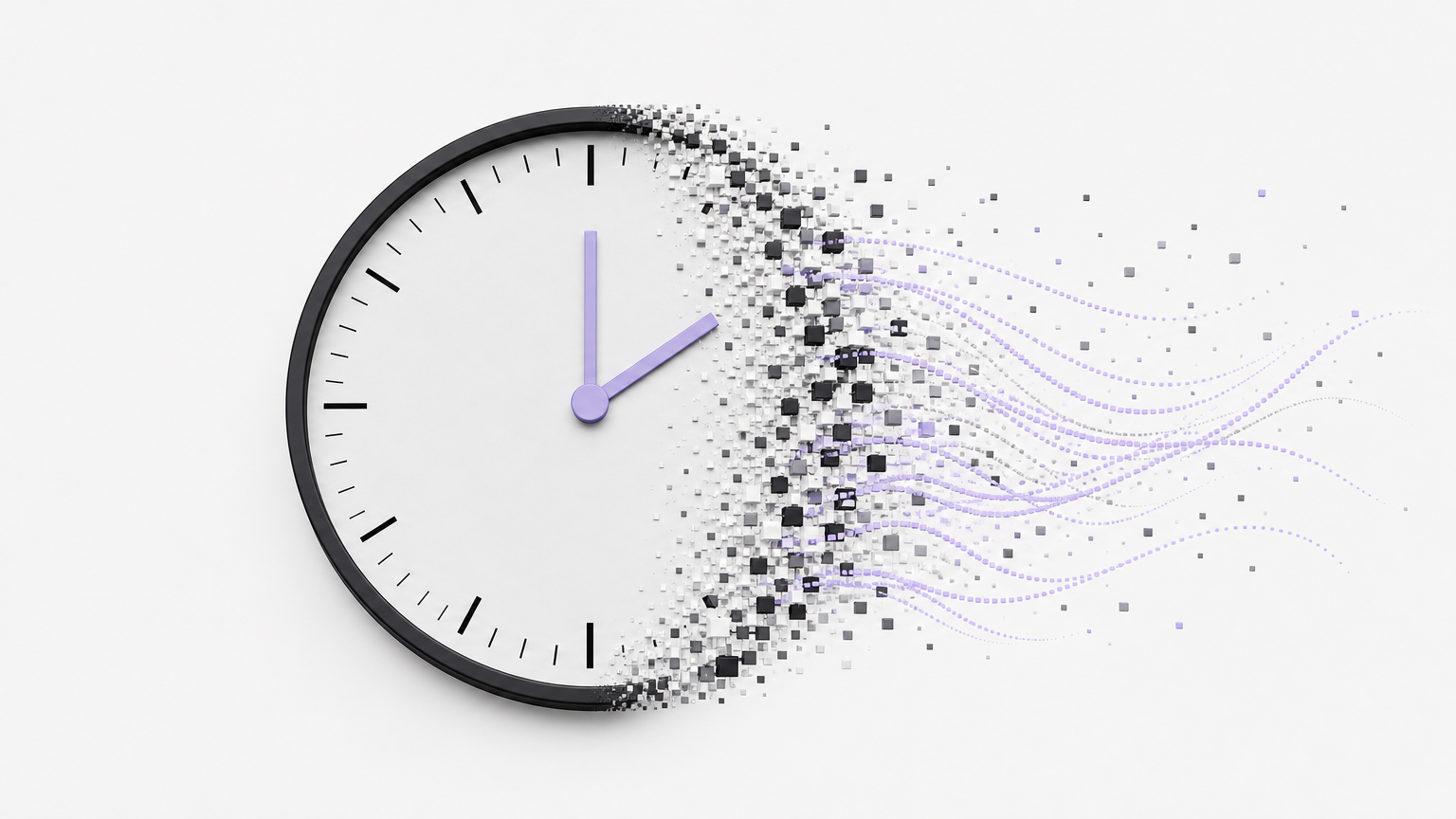
Continuous settlement removes the T+1 or T+2 delays common in traditional securities markets. Counterparty risk shrinks, and collateral frees up faster, which matters for treasuries running tight liquidity buffers. Stablecoin.nyc analysis of stalling yields argues that faster settlement is one of the few structural levers still available to improve capital efficiency in a range-bound rate environment.
Transparency and Auditability
Every transaction on a distributed ledger is visible in real time to authorized participants. That reduces the opacity typical of over-the-counter markets and gives risk teams a live view of positions rather than a stale end-of-day file. The World Economic Forum notes that tokenization of physical and financial assets allows them to be traded on blockchain platforms, improving market efficiency and price discovery. Institutional research on custody rules shows how regulators are adapting audit expectations for on-chain positions.
Fractional Ownership and Access
Fractional ownership allows high-value assets, such as commercial real estate or senior private credit tranches, to be divided into smaller units. That broadens investor access beyond the institutional gatekeepers who dominate the primary market today. Programmable tokens can also automate compliance checks, interest payments, and corporate actions, cutting operational costs that otherwise flow through multiple intermediaries. Related interviews with issuers and platforms illustrate how sponsors are structuring these fractional wrappers in practice.
Types of Tokenized Assets in Use Today
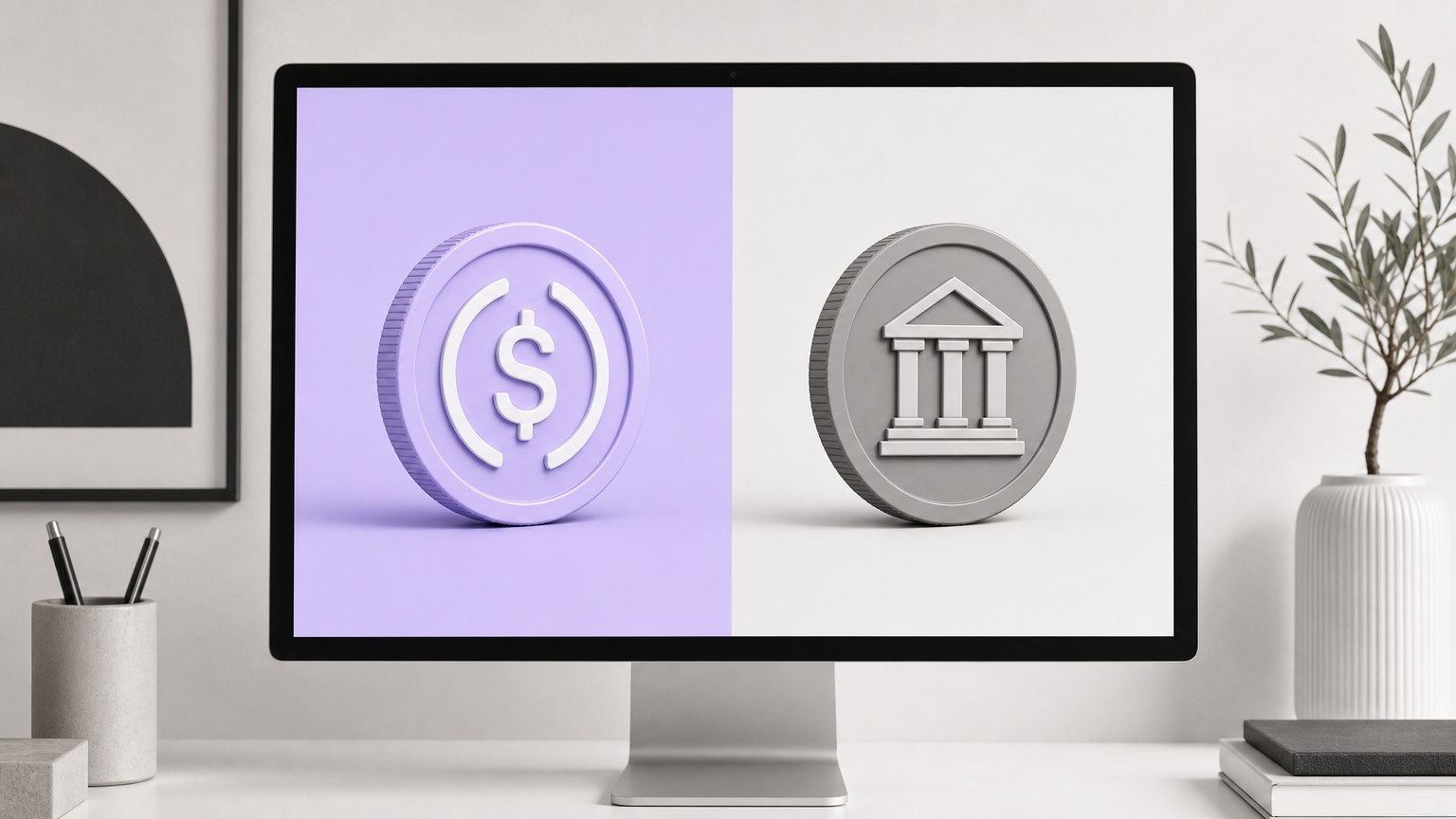
Tokenized Cash: Stablecoins and Deposit Tokens
Stablecoins are pegged to fiat currencies and backed by reserves, but under frameworks such as the U.S. GENIUS Act they are restricted from paying interest directly to holders. Deposit tokens, by contrast, are demand deposit liabilities issued by banks; they can pay interest and are regulated as bank deposits, which places them in a different risk and accounting bucket. Coverage of the Stablecoin Act's progress tracks how this distinction is being codified in U.S. law.
Tokenized Securities and Funds
Tokenized money market funds hold short-duration, high-quality instruments on-chain and pass yield through to holders, making them attractive for corporate treasury use cases that need overnight or same-day liquidity. Tokenized securities also include equities, bonds, and private fund interests. Sovereign issuers including Hong Kong and Singapore have already brought tokenized government bonds to live pilots, a trend detailed in research on sovereign debt and digital collateral.
Real-World Assets (RWAs)
Real-world assets, or RWAs, include real estate, trade receivables, invoice finance, and commodities. These markets historically carried high minimum investment sizes and long lock-ups. Tokenization compresses both, and record inflows into on-chain funds mirror the record monthly volumes seen in spot ETFs, suggesting institutional appetite for programmable wrappers is not limited to crypto-native assets.
Common Misconceptions About Tokenization
Misconception: Tokenization Is Just Cryptocurrency
Reality: cryptocurrencies such as Bitcoin are native digital assets with no off-chain claim. Tokenization represents existing off-chain assets, such as a bond or a fund share, on a ledger. The legal and economic structure of the two is entirely different, as institutional coverage of the sector repeatedly emphasizes.
Misconception: Tokens Eliminate All Intermediaries
Reality: smart contracts reduce but do not eliminate intermediaries. Legal custodians, transfer agents, auditors, and compliance functions remain essential in most tokenized structures. What changes is where these functions sit and how much manual reconciliation they perform. The de-pegging paradox essay makes a related point about how automation shortens, but does not remove, liquidity cycles.
Misconception: Any Asset Can Be Tokenized Immediately
Reality: tokenizing an asset requires upfront legal structuring, regulatory approval, and technical infrastructure. Not every asset class has a clear pathway in every jurisdiction. A token also does not independently hold value; its value derives from the underlying asset and the legal enforceability of the ownership claim. Public and permissioned blockchains are both used and carry different privacy, throughput, and compliance trade-offs, a point explored in technical analysis of automated market makers.
Regulatory Landscape and How to Get Started
Key Regulatory Developments by Region
The U.S. GENIUS Act has catalyzed mainstream adoption of tokenized money market funds by restricting stablecoin issuers from paying interest, redirecting yield-seeking flows into on-chain funds and treasuries. Hong Kong operates a multi-regulator model covering virtual asset trading platforms, tokenized investment products, and payment systems. Singapore's Project Guardian and the EU's evolving regime, discussed in the MiCA 2.0 briefing, set comparable expectations for issuer transparency and investor protection. Global central bank work is tracked in the CBDC adoption roadmap.
First Steps for Evaluating Tokenized Assets
Deloitte notes that the basics of tokenization involve linking financial assets to digital tokens traded on distributed ledgers, and that regulatory clarity is a prerequisite for institutional adoption. Institutional evaluators should confirm the legal enforceability of the token's ownership claim in their jurisdiction before committing capital. Practical first steps: review the smart contract audit, map the custodian structure, confirm secondary market liquidity, and consult applicable securities regulations. The Stablecoin.nyc resources hub collects primers and diligence checklists for this workflow.
Frequently Asked Questions
What is tokenization in simple terms?
Tokenization is turning an ownership claim on a real asset, such as a bond or a building, into a digital token on a blockchain. The token can then be transferred, traded, and settled programmatically instead of through paper-based intermediaries.
How is tokenization different from cryptocurrency?
Cryptocurrencies like Bitcoin are native digital assets with no off-chain backing. Tokenized assets represent existing off-chain instruments, such as fund shares or Treasury bills, on a ledger. Their value derives from the underlying asset, not from the token itself.
What assets can be tokenized?
Cash, government bonds, corporate bonds, equities, private fund interests, real estate, commodities, trade receivables, and even data rights can be tokenized. The practical constraint is legal structuring and regulatory approval in the issuing jurisdiction, not the technology.
Is tokenization in finance safe?
Safety depends on three layers: the smart contract code, the legal enforceability of the ownership claim, and the custodian structure. Audited contracts, regulated issuers, and clear redemption rights materially reduce risk, but no tokenized product is risk-free.
How does tokenization affect settlement times?
Blockchains settle continuously, so tokenized trades can clear in minutes rather than the T+1 or T+2 cycles common in traditional securities markets. That reduces counterparty risk and frees collateral faster, which matters for treasuries managing intraday liquidity.
What is a real-world asset (RWA) token?
An RWA token represents ownership of a physical or off-chain financial asset, such as real estate, private credit, or a commodity. It combines an on-chain token with legal documentation that ties the token to a specific enforceable claim on the underlying asset.
Are tokenized assets regulated?
Yes. Tokenized securities generally fall under existing securities law, and tokenized cash under banking or payment regulation. Frameworks such as the U.S. GENIUS Act, the EU's MiCA regime, and Hong Kong's virtual asset rules set specific obligations for issuers, custodians, and trading venues.
What is the difference between a stablecoin and a tokenized money market fund?
A stablecoin is a fiat-pegged payment token, typically prohibited from paying interest under U.S. law. A tokenized money market fund is a regulated fund holding short-duration instruments; it passes yield to holders and is subject to fund rather than payment regulation.
Conclusion
Tokenization is not a speculative narrative; it is a change in market plumbing that affects settlement, custody, and yield distribution across every major asset class. Treasurers and allocators evaluating on-chain products should focus on legal enforceability, custodian structure, and secondary liquidity, not on chain branding. Stablecoin.nyc will continue to track issuance, regulation, and institutional flows so that policy analysts and capital allocators have the primary-source signal they need.
Part of a programmatic SEO program.