stablecoins
 stablecoins
Send Money to Guatemala: Cheapest Ways Compared
Send money to Guatemala for less: Félix, Taptap Send, Wise, Remitly and Western Union compared on exchange rates, fees, cash pickup and bank deposit.
 stablecoins
Send Money to the Dominican Republic: Cheapest Ways Compared
Send money to the Dominican Republic for less: Félix, Taptap Send, Remitly, Wise and Caribe Express cash pickup compared, plus the 2026 US remittance tax.
 stablecoins
Send Money to Mexico: Stablecoins vs Wise vs Western Union
The cheapest ways to send money to Mexico compared: Wise, Félix, Remitly, Western Union, and the stablecoin route via USDC and SPEI, plus the 2026 remittance tax rules.
 stablecoins
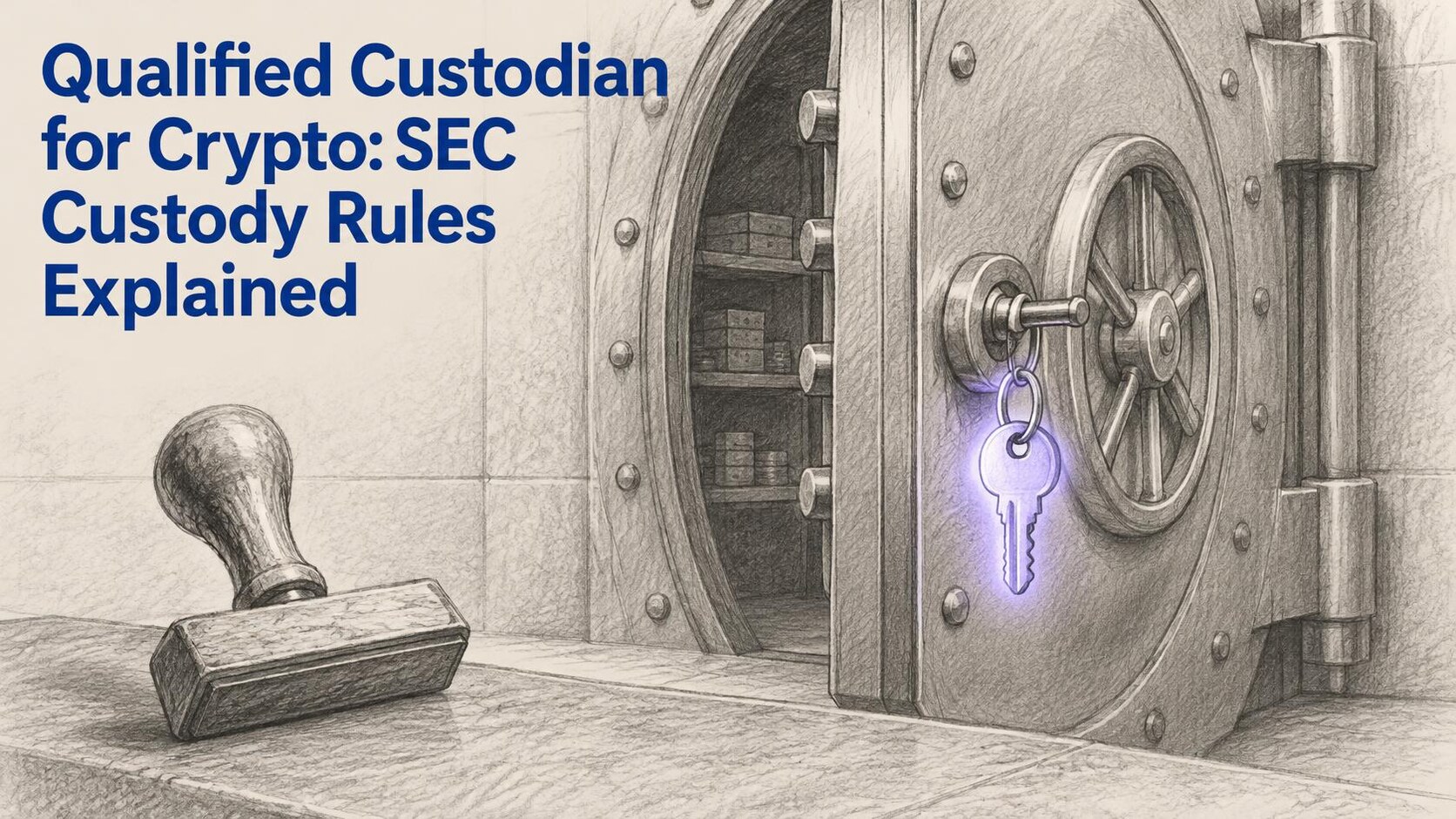
Qualified Custodian for Crypto: SEC Custody Rules Explained
Who counts as a qualified custodian for crypto under SEC rules: banks, broker-dealers, state trust companies, the 2025 SEC letter and the October 2026 proposal.
 stablecoins
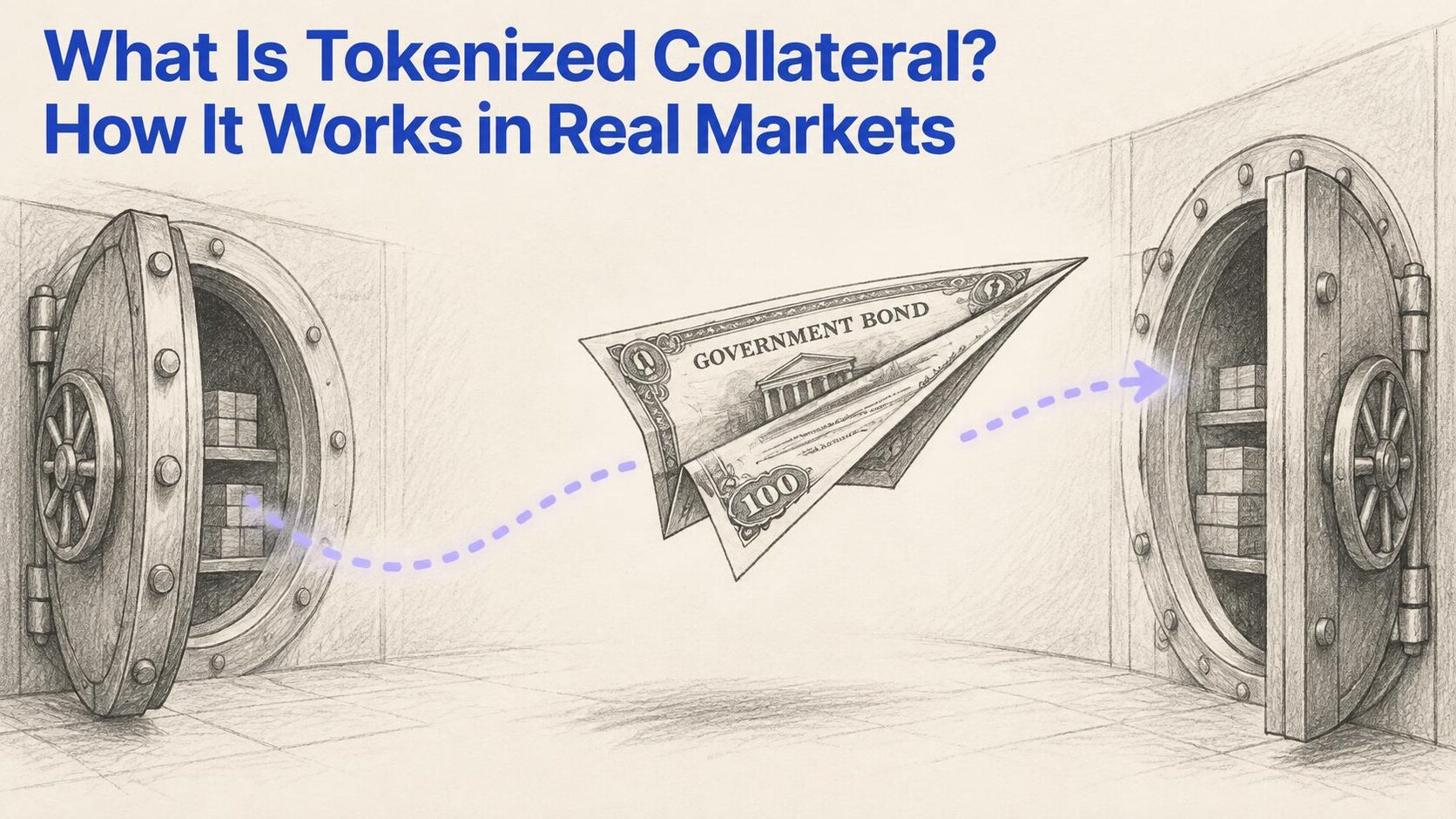
What Is Tokenized Collateral? How It Works in Real Markets
Tokenized collateral is margin and repo collateral moved on a blockchain. How it works, CFTC rules for stablecoins and tokenized Treasuries, examples and risks.
 stablecoins
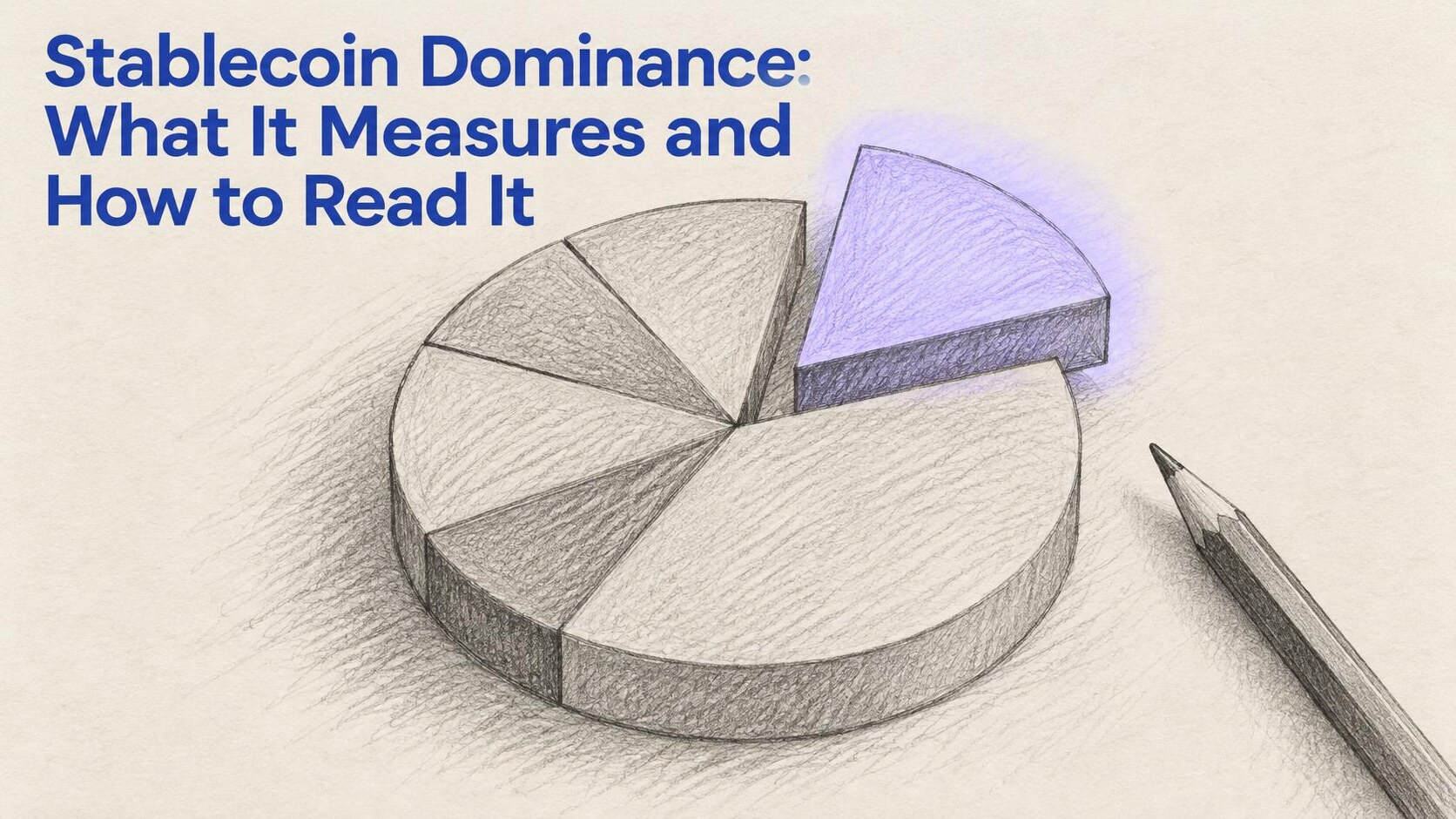
Stablecoin Dominance: What It Measures and How to Read It
Stablecoin dominance is stablecoins' share of total crypto market cap. How it is calculated, what rising or falling dominance signals, and why it is changing.
 stablecoins
What Is an Automated Market Maker (AMM)? How AMMs Work
An automated market maker prices trades with a formula and a liquidity pool, not an order book. How AMMs work, stablecoin pools, arbitrage and impermanent loss.
 stablecoins
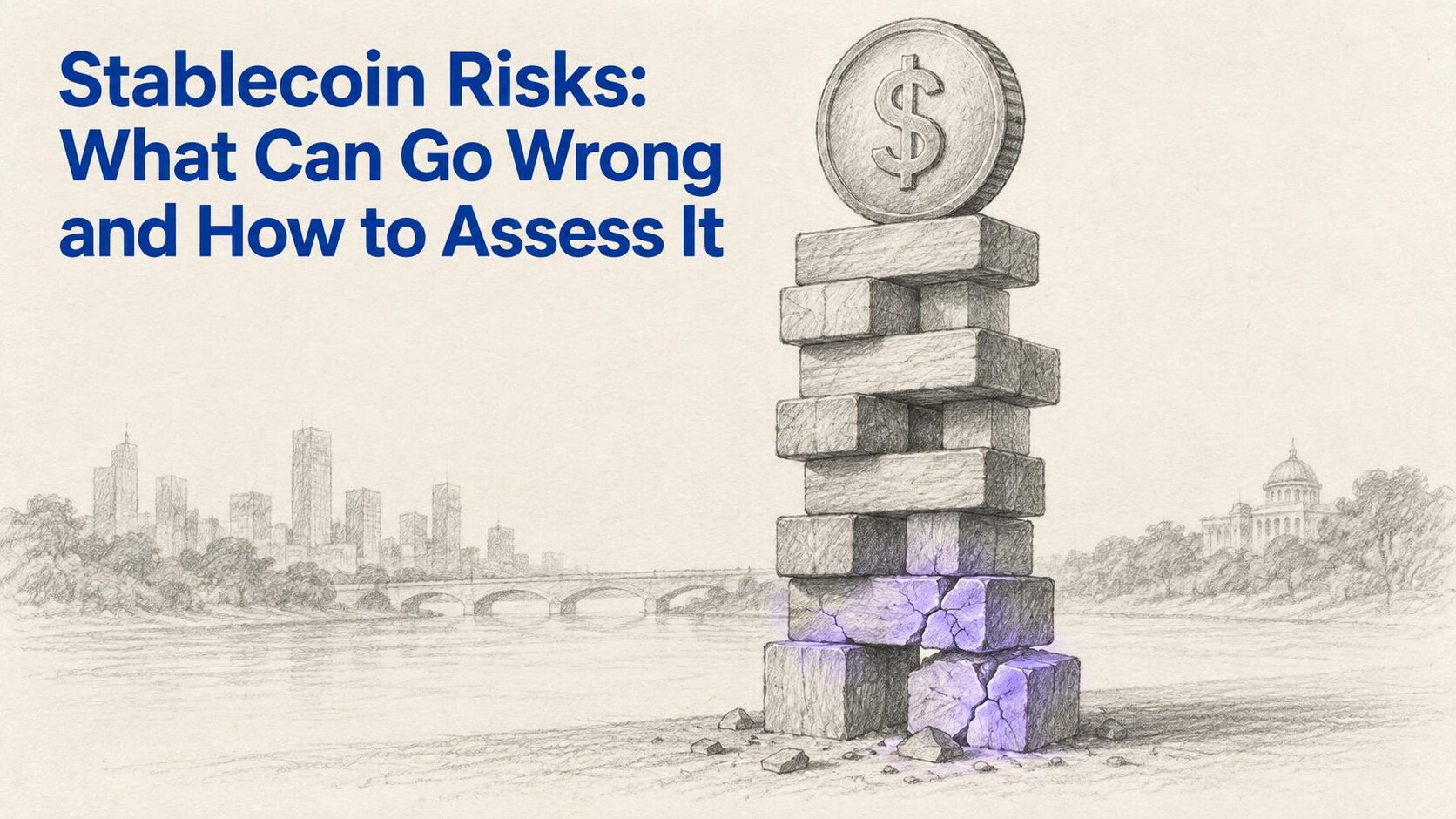
Stablecoin Risks: What Can Go Wrong and How to Assess It
The main stablecoin risks: reserves, runs and depegs, freezes, smart contracts, DeFi contagion, regulation and concentration, plus an assessment checklist.
 stablecoins
What Is Proof of Reserves? How It Works and What It Misses
Proof of reserves shows an exchange or stablecoin issuer holds the assets it owes. How Merkle trees, zk-proofs and attestations work, and what PoR misses.
 stablecoins
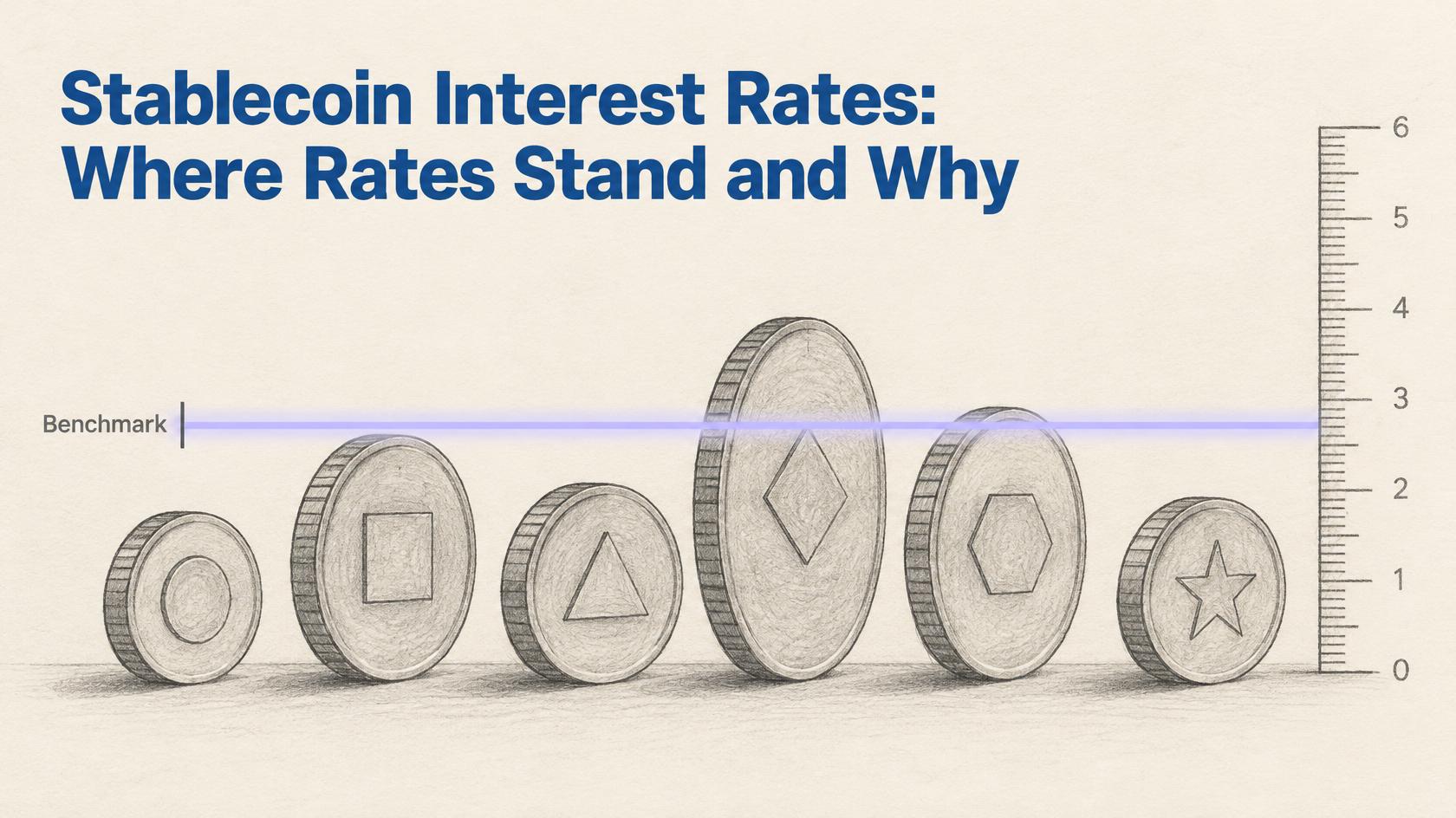
Stablecoin Interest Rates: Where Rates Stand and Why
Stablecoin interest rates by venue: exchange rewards, DeFi lending, savings rates and Treasury tokens, compared with the Fed rate. What sets them and the risks.
 stablecoins
Yield-Bearing Stablecoins: How They Work and Main Options
Yield-bearing stablecoins pay holders a return. How sUSDS, sUSDe, USDY and syrupUSDC generate yield, market size, risks, and how the GENIUS Act treats them.
 stablecoins
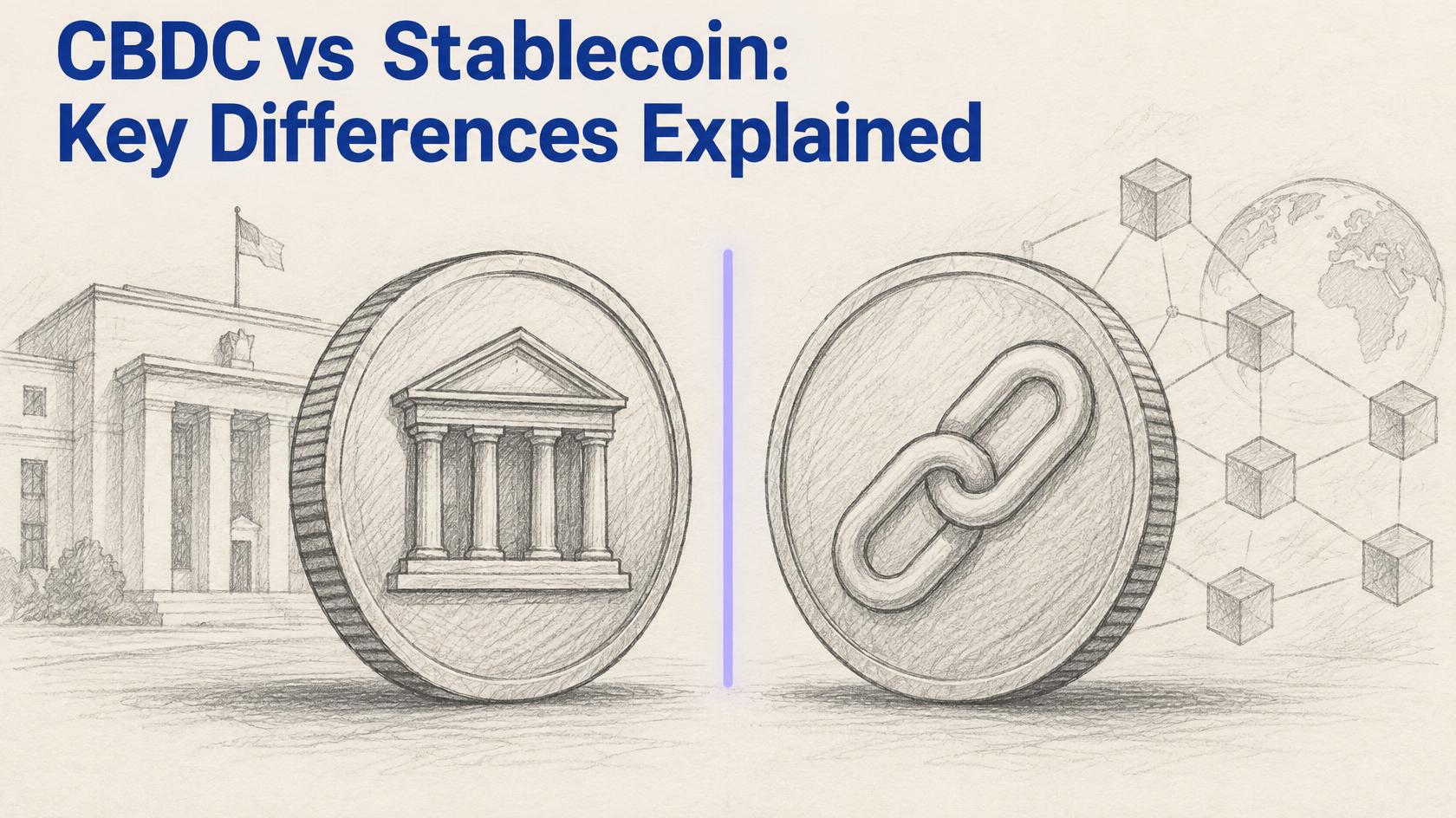
CBDC vs Stablecoin: Key Differences Explained
A CBDC is central bank money; a stablecoin is a private token backed by reserves. How they differ on issuer, risk, privacy, adoption and coexistence.
 stablecoins
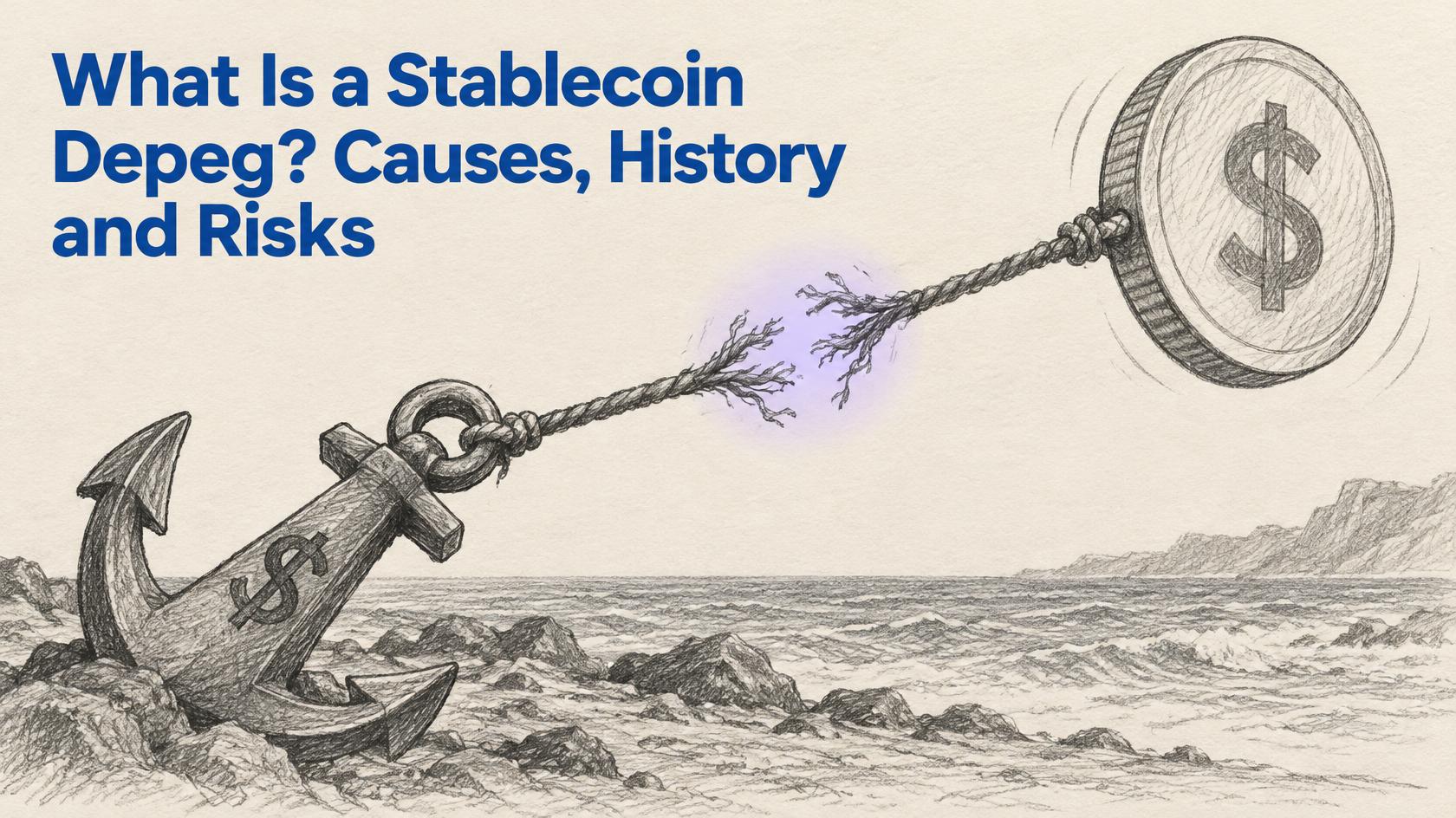
What Is a Stablecoin Depeg? Causes, History and Risks
A depeg is when a stablecoin trades away from $1. Why depegs happen, every major event from UST to USDC and USDe, and how to tell a blip from a collapse.
 stablecoins
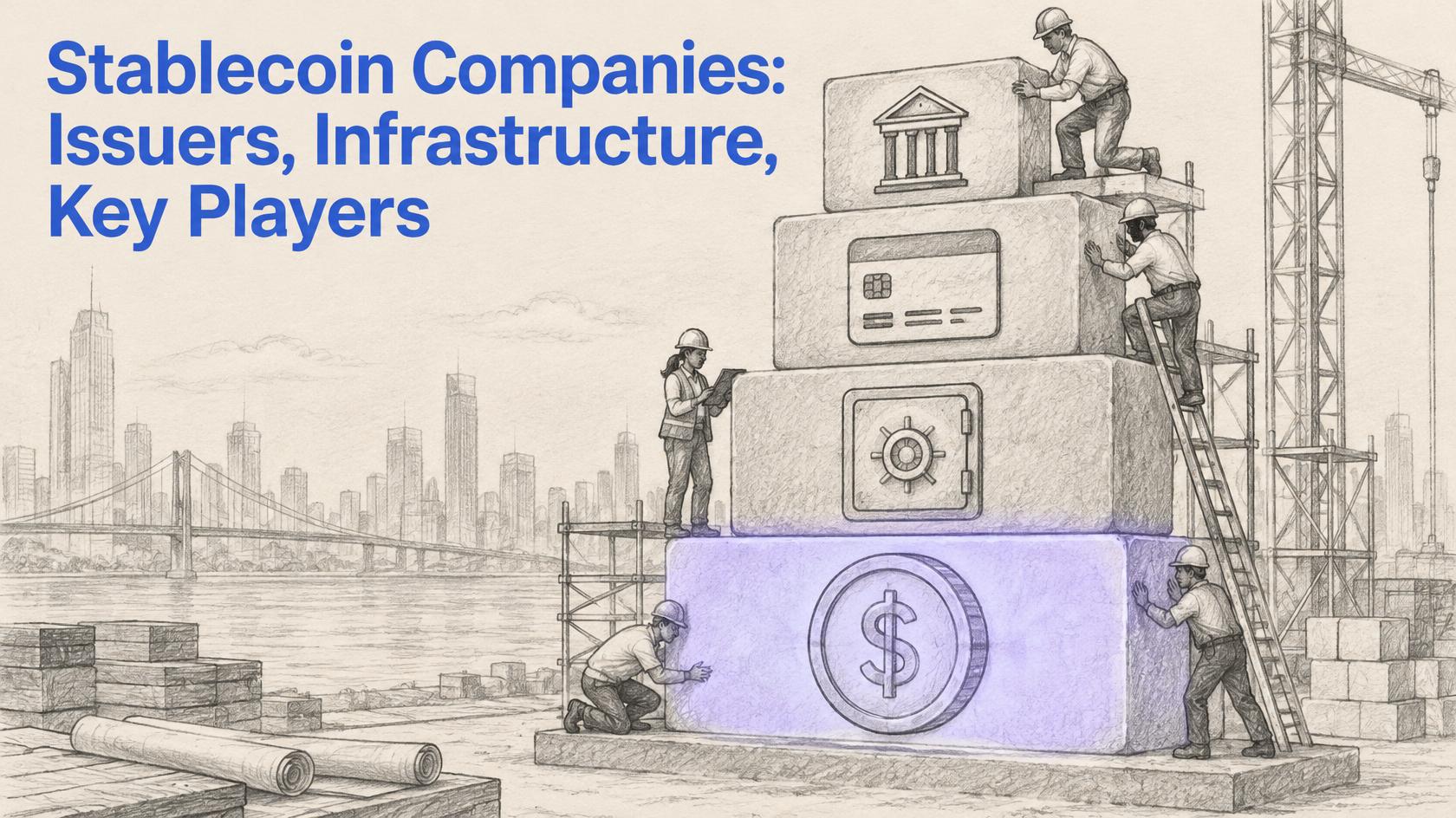
Stablecoin Companies: Issuers, Infrastructure, Key Players
A market map of stablecoin companies: issuers, issuance platforms, payment infrastructure, card networks and banks. Who does what and recent deals.
 stablecoins
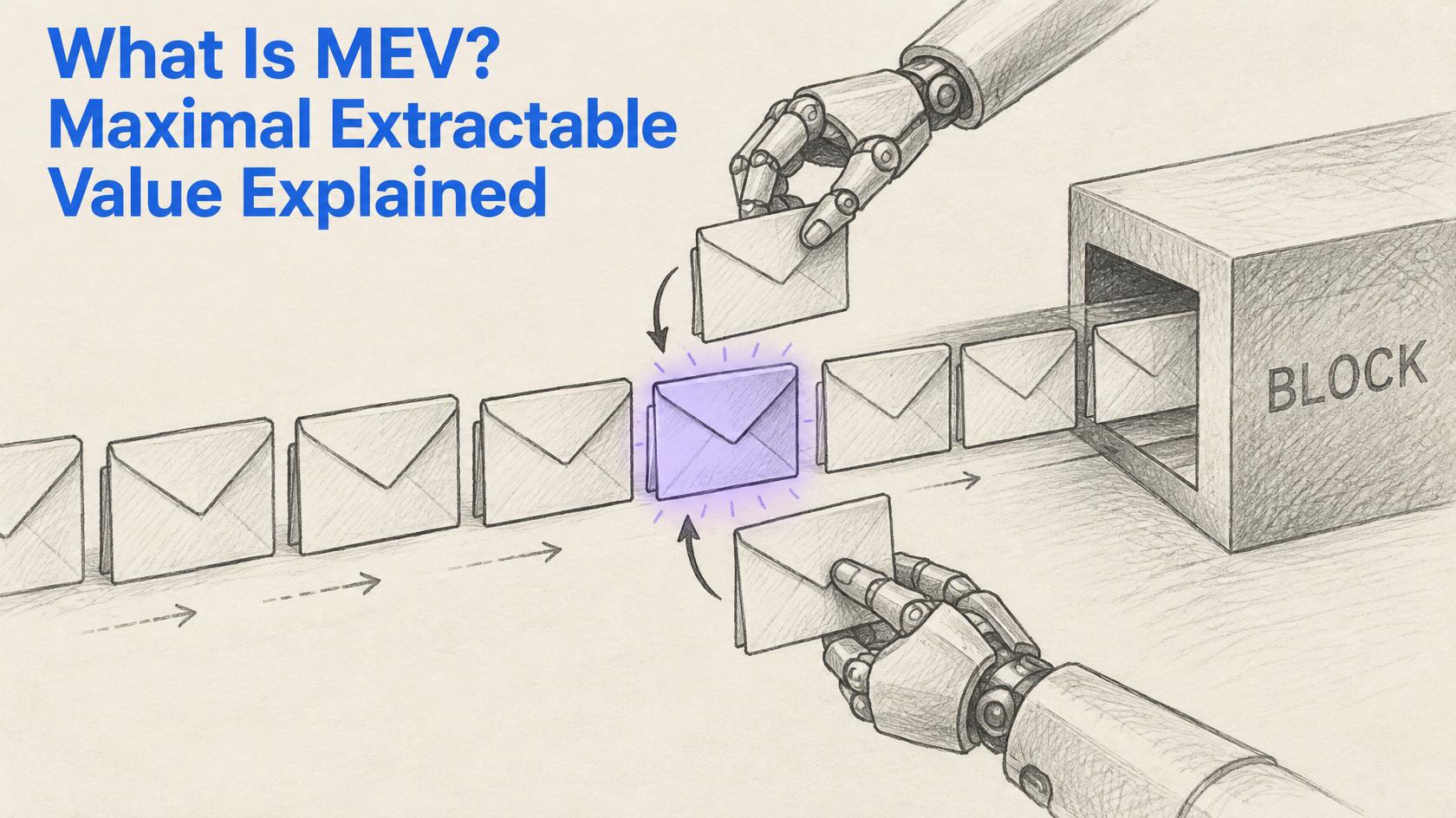
What Is MEV? Maximal Extractable Value Explained
MEV is the profit bots and block builders extract by ordering transactions. How it works on Ethereum and Solana, sandwich attacks, and how to protect swaps.
 stablecoins
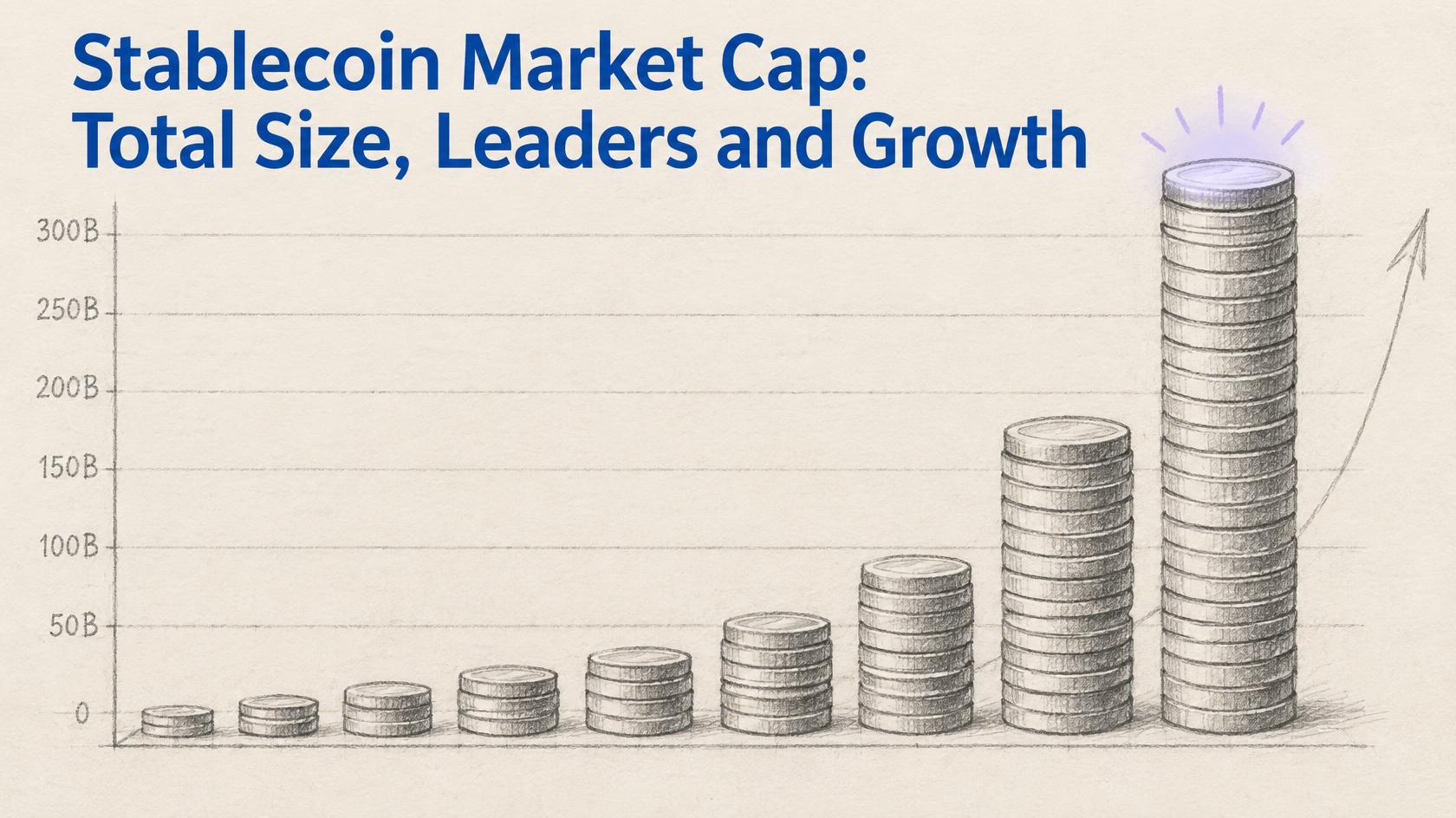
Stablecoin Market Cap: Total Size, Leaders and Growth
How big is the stablecoin market? Total market cap, USDT and USDC share, the top stablecoins and chains, growth since 2020, and why trackers disagree.
 stablecoins
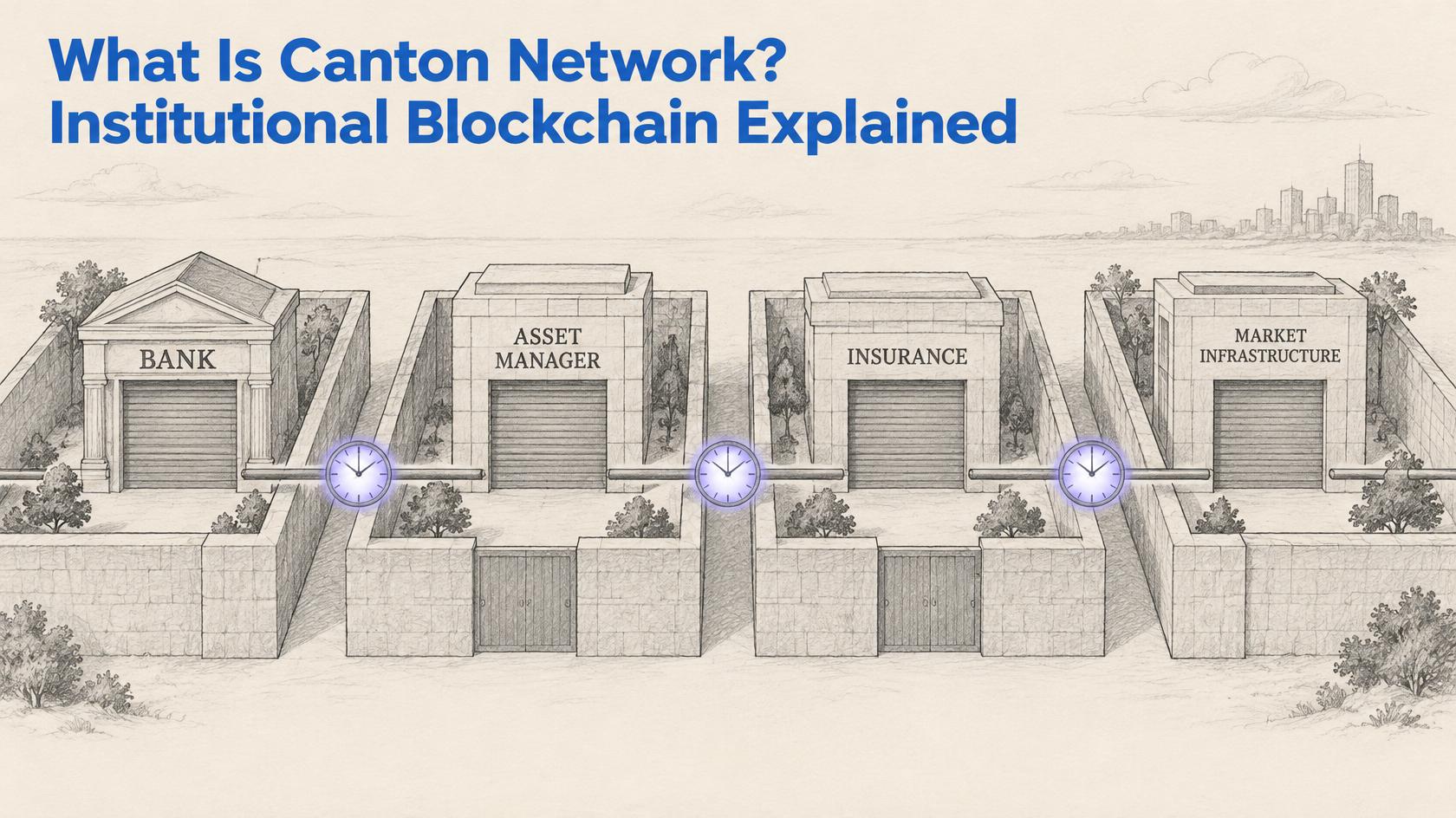
What Is Canton Network? Institutional Blockchain Explained
Canton Network is a privacy-focused blockchain for regulated finance. How it works, Canton Coin (CC), DTCC and repo use, and the trade-offs.
 stablecoins
Euro Stablecoins Explained: EURC, Qivalis and More
Euro stablecoins are tokens pegged 1:1 to the euro. The main options compared, how MiCA regulates them, and why they remain under 1% of the stablecoin market.
 stablecoins
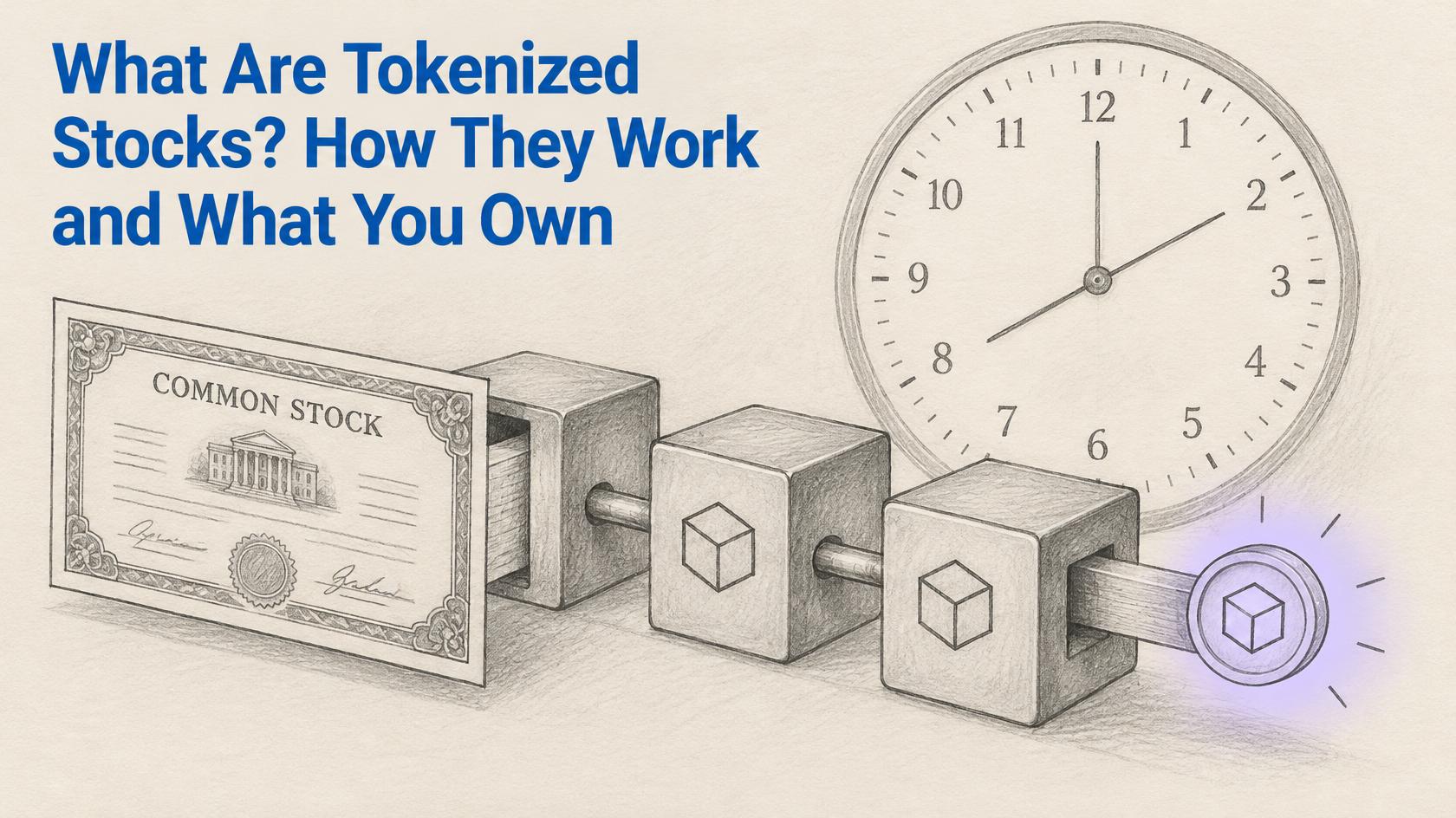
What Are Tokenized Stocks? How They Work and What You Own
Tokenized stocks put shares or share exposure on a blockchain. Issuer-backed vs third-party models, the SEC innovation exemption, risks, and where to trade.
 stablecoins
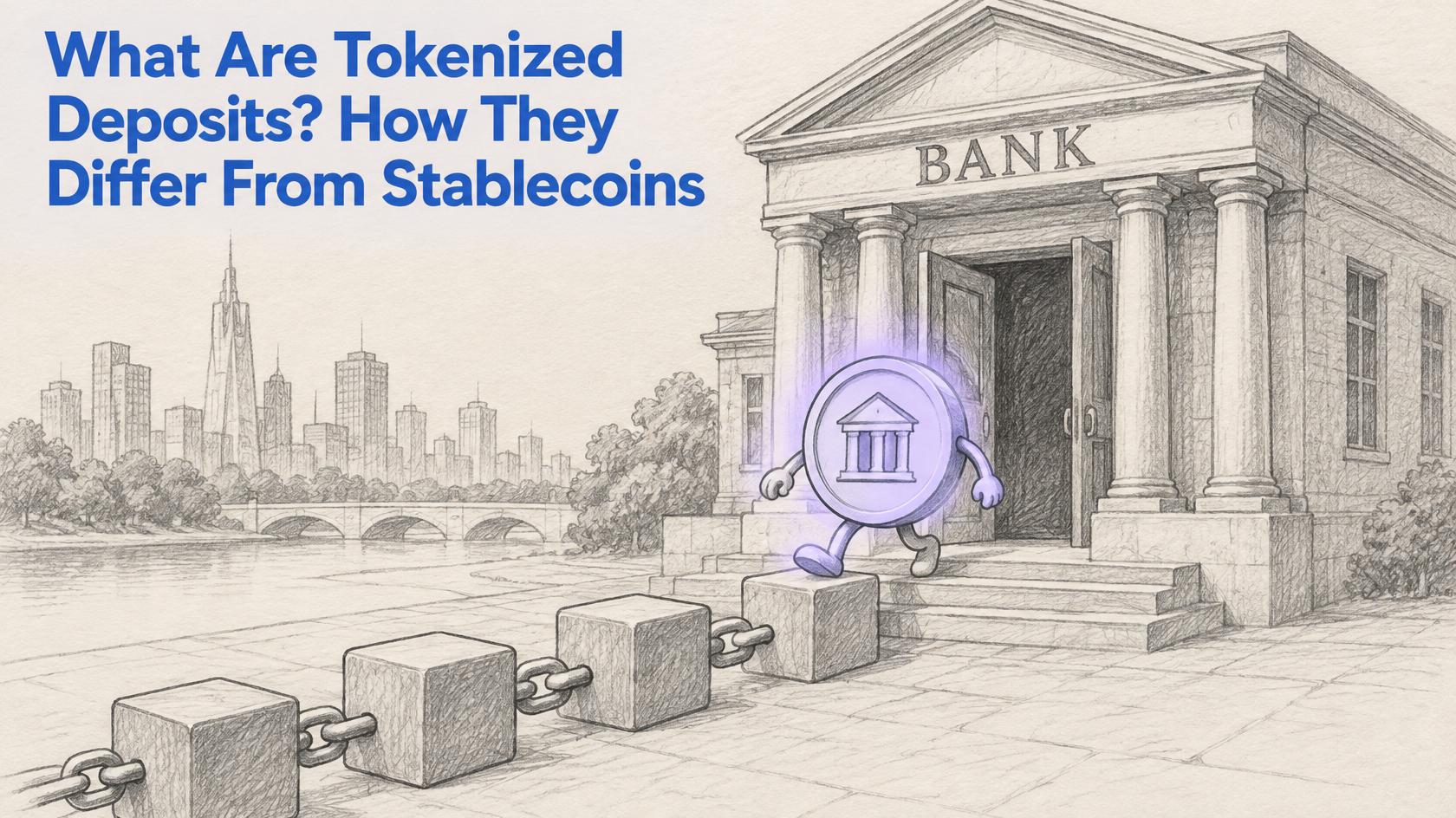
What Are Tokenized Deposits? How They Differ From Stablecoins
Tokenized deposits are bank deposits recorded on a blockchain. How they work, how they differ from stablecoins, and which banks offer them, from JPMD to Citi.
 stablecoins
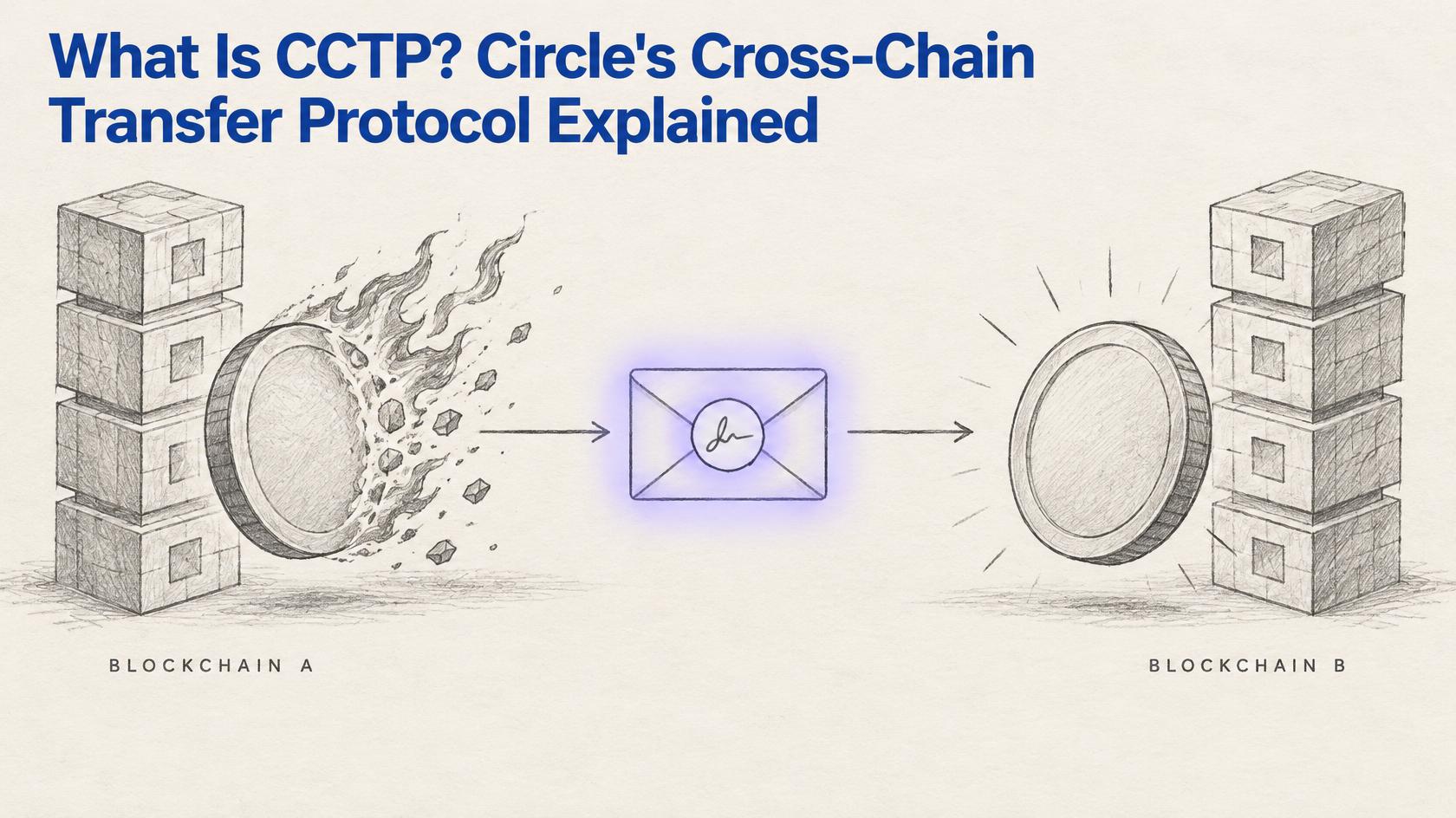
What Is CCTP? Circle's Cross-Chain Transfer Protocol Explained
CCTP is Circle's burn-and-mint protocol for moving native USDC between blockchains. How it works, Fast vs Standard Transfer, fees, and the V1 deprecation.
 stablecoins
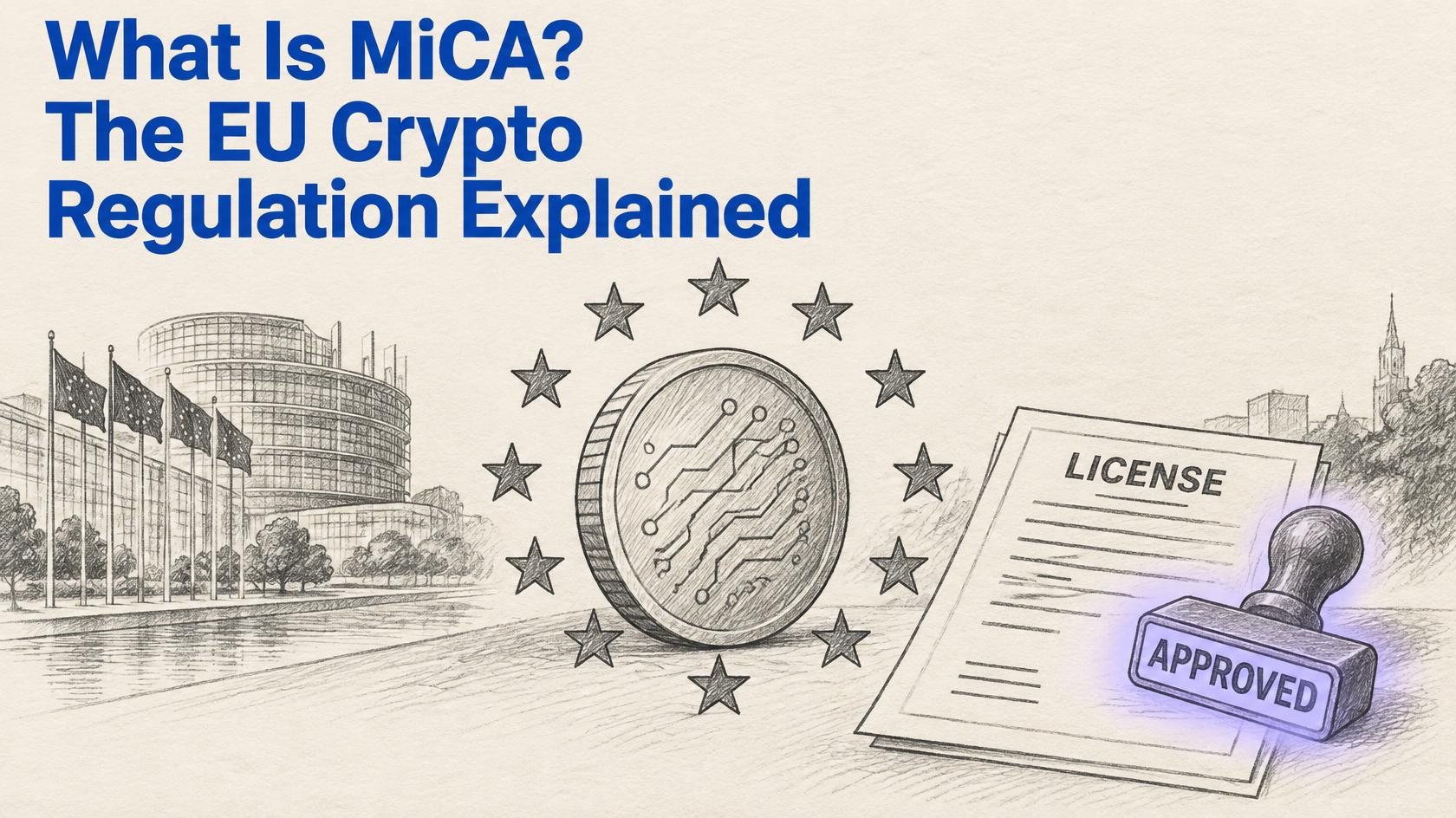
What Is MiCA? The EU Crypto Regulation Explained
MiCA is the EU rulebook for crypto issuers, stablecoins and service providers. How it works, who it covers, and what changed when the transition ended.
 stablecoins
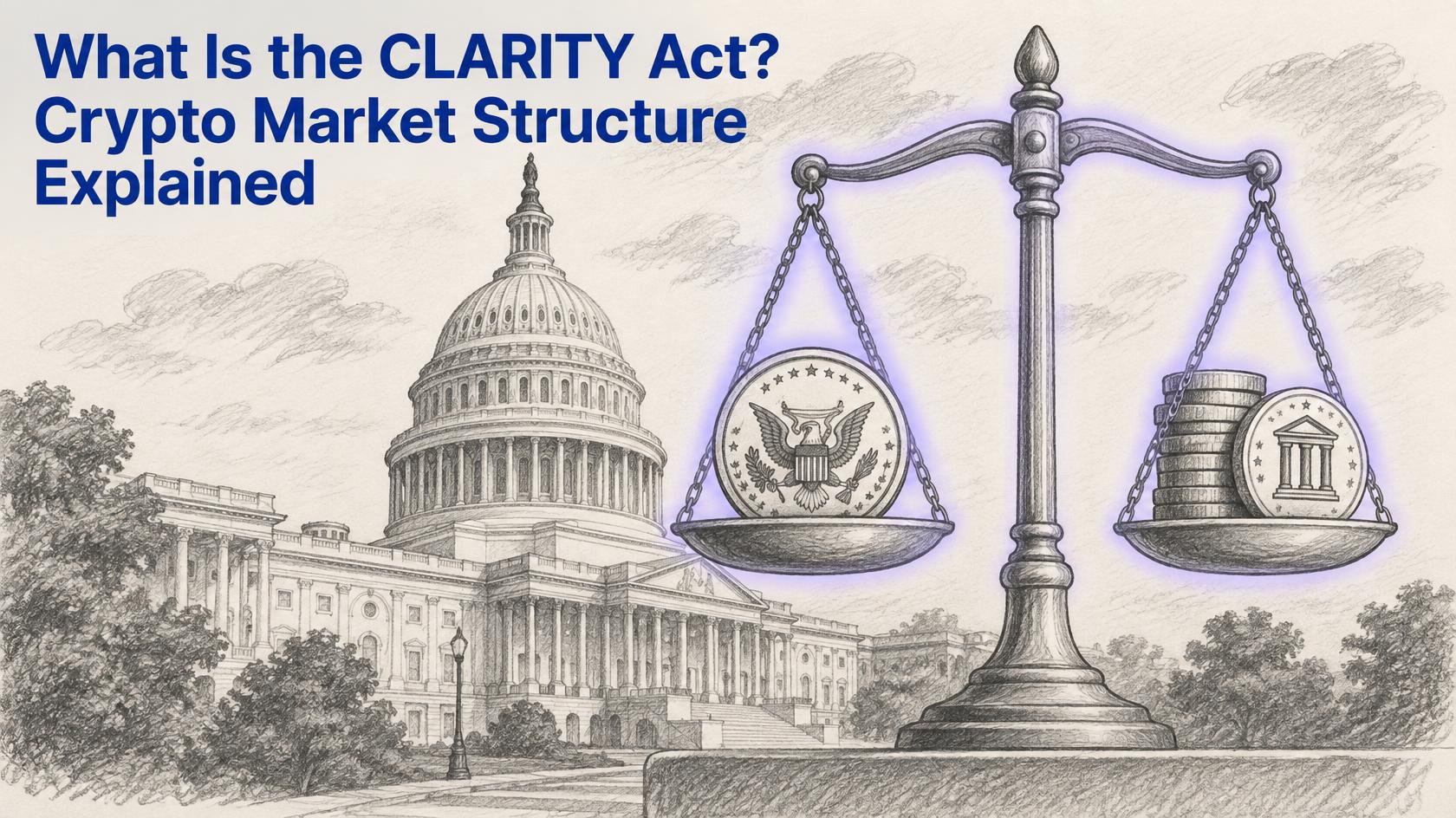
What Is the CLARITY Act? Crypto Market Structure Explained
The CLARITY Act would split crypto oversight between the SEC and CFTC. What the bill does, why the Senate blocked it 49-50, and what happens next.
 stablecoins
Stablecoin Payroll Guide
How stablecoin payroll actually works: tax treatment for employees vs contractors, IRS and EU compliance, and what changes vs what doesn't.
 stablecoins
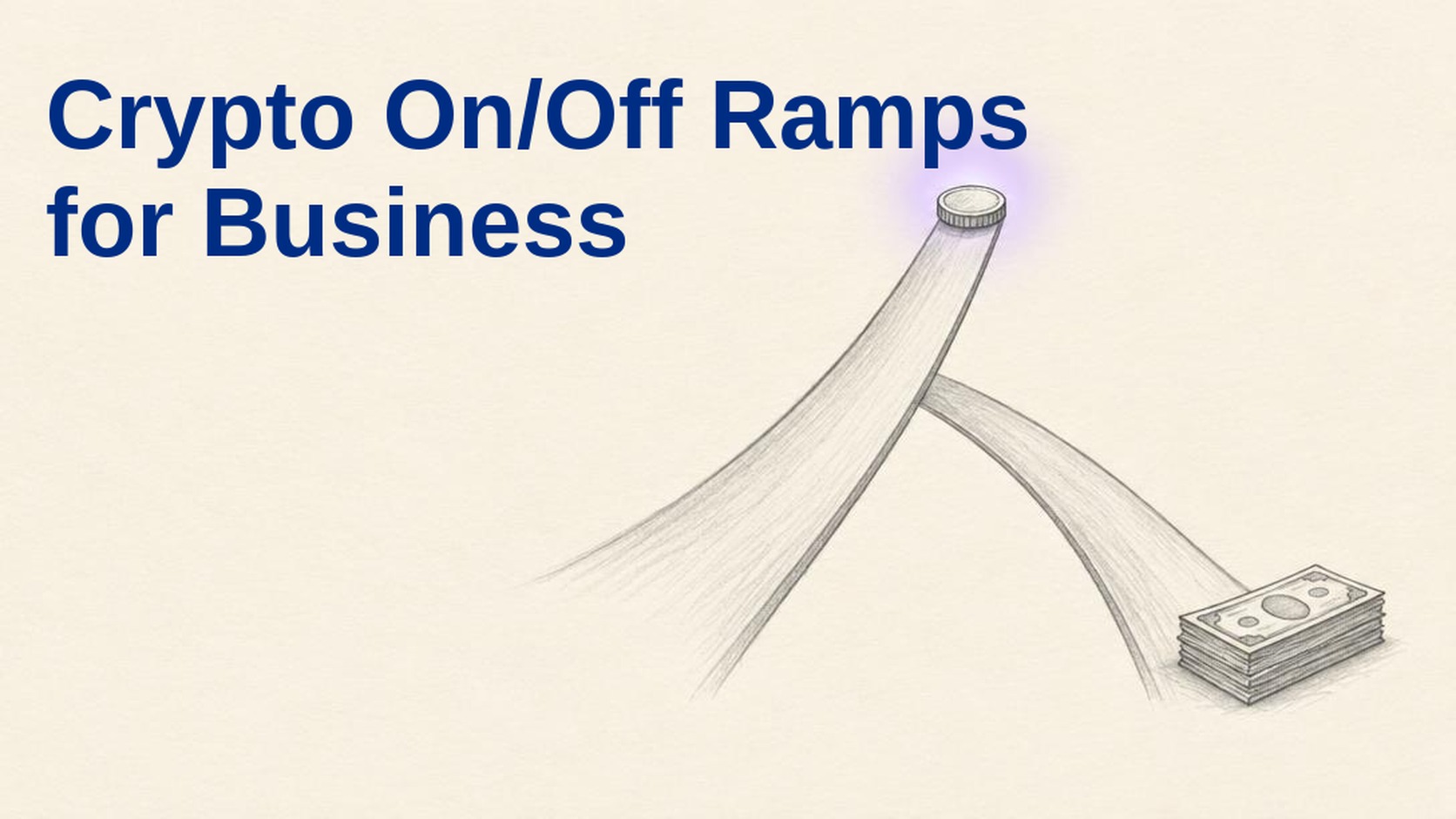
Crypto On/Off Ramps for Business: How They Work
How crypto on-ramps and off-ramps actually work step by step, licensing requirements by jurisdiction, and build-versus-buy for businesses in 2026.
 stablecoins
Stablecoin Settlement and Operations Guide
How stablecoin settlement actually works, custody model, reconciliation, policy engine, and fiat conversion, as a real business operations layer, not just a transfer.
 stablecoins
Send Money to Colombia: Stablecoins vs Wise vs Western Union
Western Union, Wise, and stablecoin transfers compared for sending money to Colombia on cost, speed, and recipient access.
 stablecoins
SPEI Mexico: How Foreign Businesses Accept It
How SPEI, Banxico's instant payment rail, works for foreign businesses via licensed off-ramps like Bitso, and how MXNB changes the onchain conversion path.
 stablecoins
PIX Payments for Global Businesses
How foreign businesses reach Brazil's PIX rail through licensed off-ramps, and what BCB Resolution 561 changes for stablecoin cross-border settlement in 2026.
 stablecoins
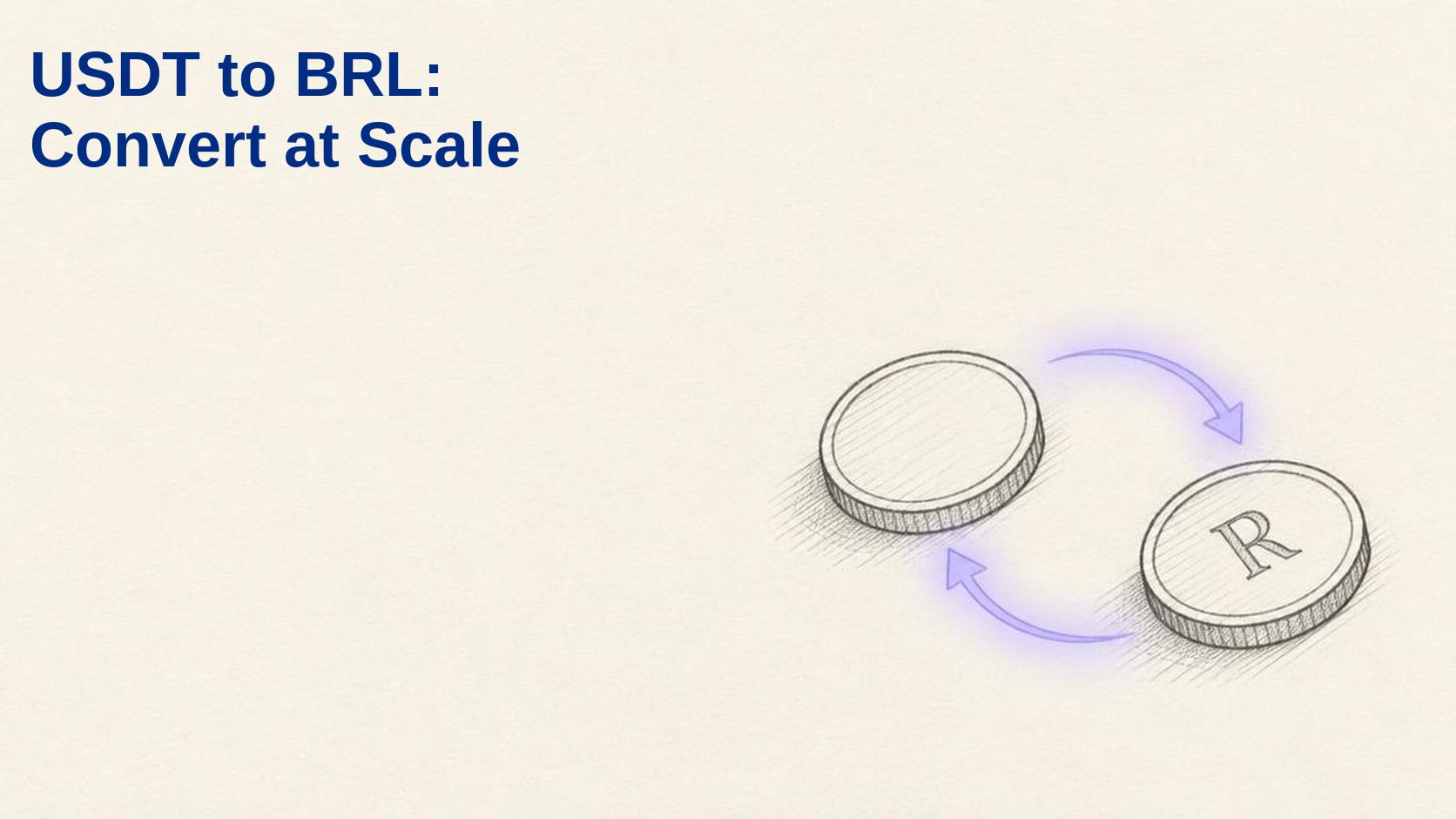
USDT to BRL: How Businesses Convert at Scale
How businesses convert USDT to Brazilian real at scale through licensed off-ramps, IOF-câmbio tax exposure, and what changes under BCB Resolution 561.
 stablecoins
Pay-in and Pay-out: What They Mean in Payments
What pay-in and pay-out mean in payments, why the distinction matters operationally, and how it applies specifically to stablecoin infrastructure.
 stablecoins
Cross-Border Payments to Brazil: Rails Compared
Correspondent banking, card networks, and stablecoin settlement into PIX compared for cross-border payments to Brazil on cost, speed, and regulatory fit.
 stablecoins
LATAM Alternative Payment Methods: Complete Guide
How PIX, SPEI, and stablecoin rails fit together across Latin America's payment landscape, and where each country's adoption actually stands in 2026.
 stablecoins
Send Money to Argentina with Stablecoins
How sending USDT to Argentina compares to traditional remittance options, and why most Argentines use stablecoins as savings rather than for transfers.
 stablecoins
Send Money to Venezuela: Real Options in 2026
How stablecoin transfers to Venezuela compare to traditional remittance options given the bolívar's collapse and constraints on traditional banking access.
 stablecoins
Best B2B Wallets: Which Comparison Actually Fits
B2B crypto wallet infrastructure splits into five real categories, governance, self-custody, provider infra, treasury, and agentic. Find the right one.
 stablecoins
Best Stablecoin Infrastructure for Wallets & Custodians
Fireblocks, Zero Hash, Cobo, and Notabene Flow compared for wallet providers and custodians on custody compatibility and policy engine.
 stablecoins
Best Multisig Wallets for Businesses: Top Options Compared
Safe, BitGo, Cobo, and Casa compared on policy engine, custody model, chain coverage, and audit readiness for business treasury operations.
 stablecoins
Best Secondary Market Trading Platforms Compared (2026)
We compare 5 secondary market platforms for private assets on fees, minimums and liquidity model. EquityZen charges 2.5% per side; Clarity (formerly Hiive) leads on price data.
 stablecoins
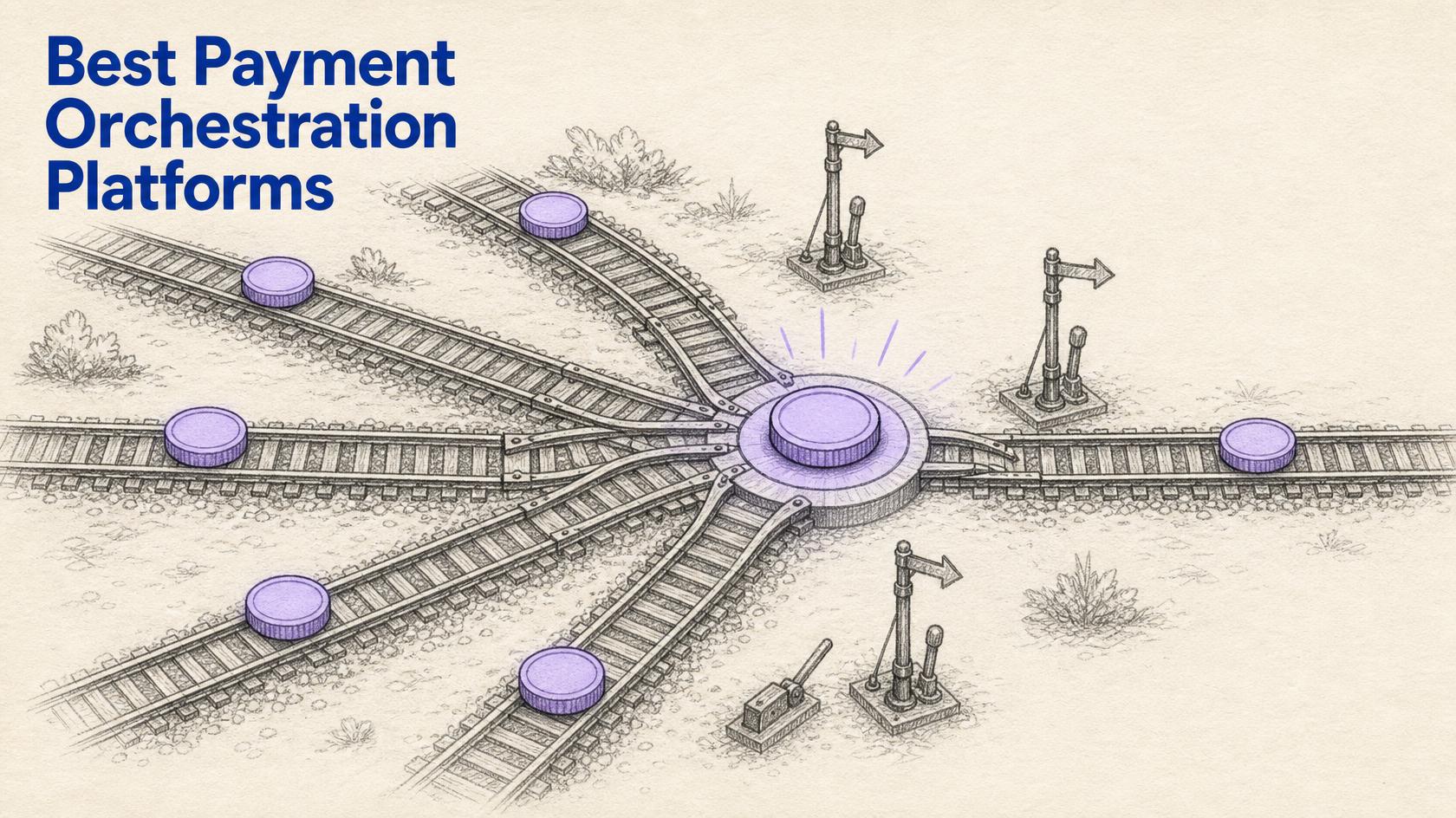
Best Payment Orchestration Platforms: Top Options Compared
BVNK, Bridge, Conduit, Zero Hash, Circle, and Crossmint compared on licensing, corridors, and settlement speed.
 Stablecoins
Top Crypto SEO Agencies for Stablecoin Companies (2026)
The top 5 crypto SEO agencies for stablecoin and payments companies, compared on B2B track record, published results, reviews and AI search evidence.
 stablecoins
Best Crypto Recurring Billing Platforms (2026)
Request Finance, Superfluid, and Notabene Flow compared for stablecoin subscription billing, metered usage, and recurring B2B payments.
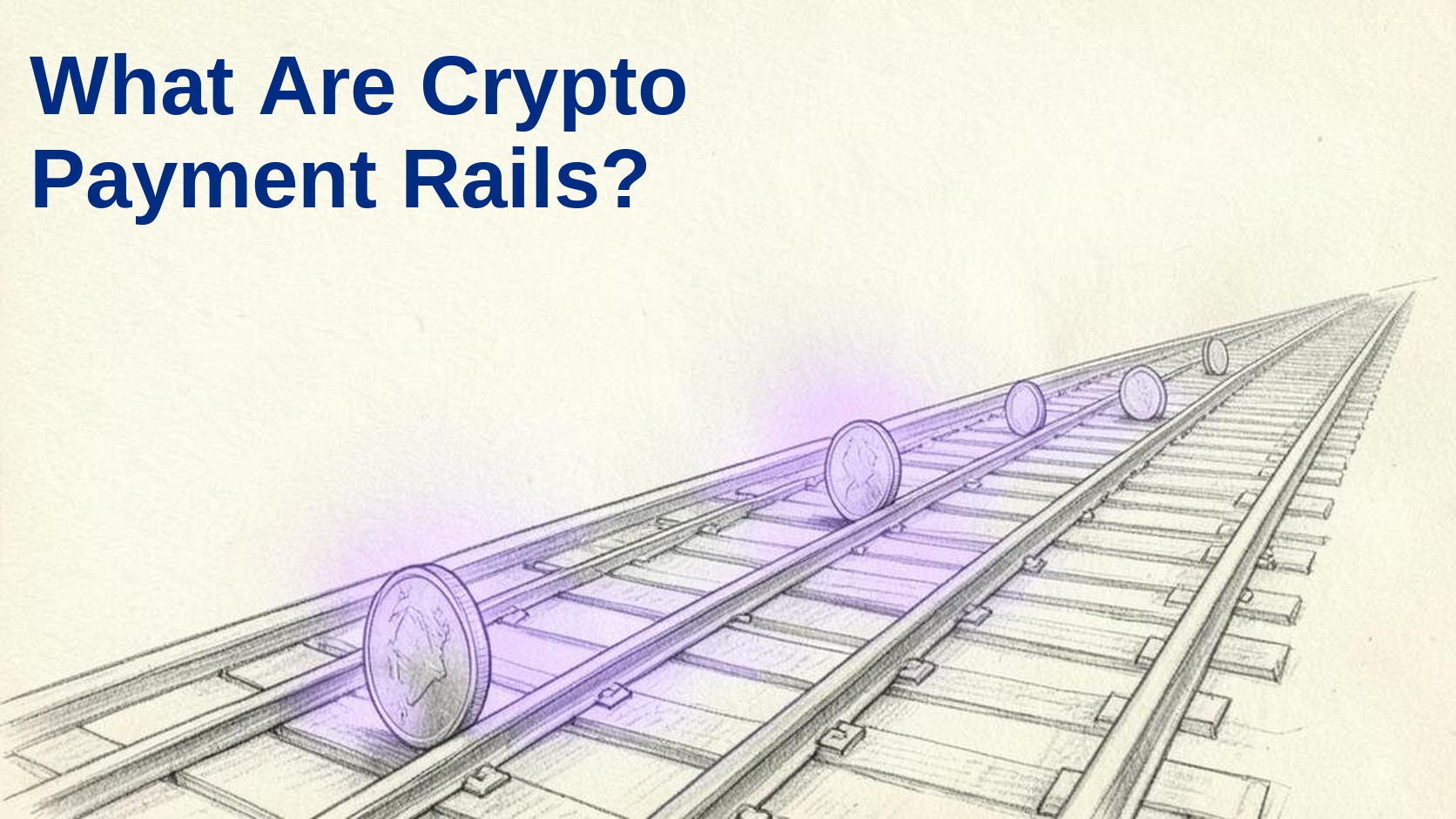 stablecoins
What Are Crypto Payment Rails? Explained (2026)
Crypto payment rails explained: how stablecoins, blockchains, and settlement layers move money, with real infrastructure examples.
 stablecoins
What Are Digital Asset Payments? Explained (2026)
Digital asset payments explained: how stablecoins and tokenized cash-equivalents move value for businesses, with current market scale.
 stablecoins
Best Pull Payment Platforms for Crypto (2026)
Notabene Flow, Request Finance, and Coinbase Commerce compared for merchant-initiated crypto and stablecoin pull payments.
 stablecoins
Best Push Payment Platforms for Stablecoins (2026)
BVNK, Bridge, Conduit, and Notabene Flow compared for sender-initiated stablecoin payouts, disbursements, and vendor payments.
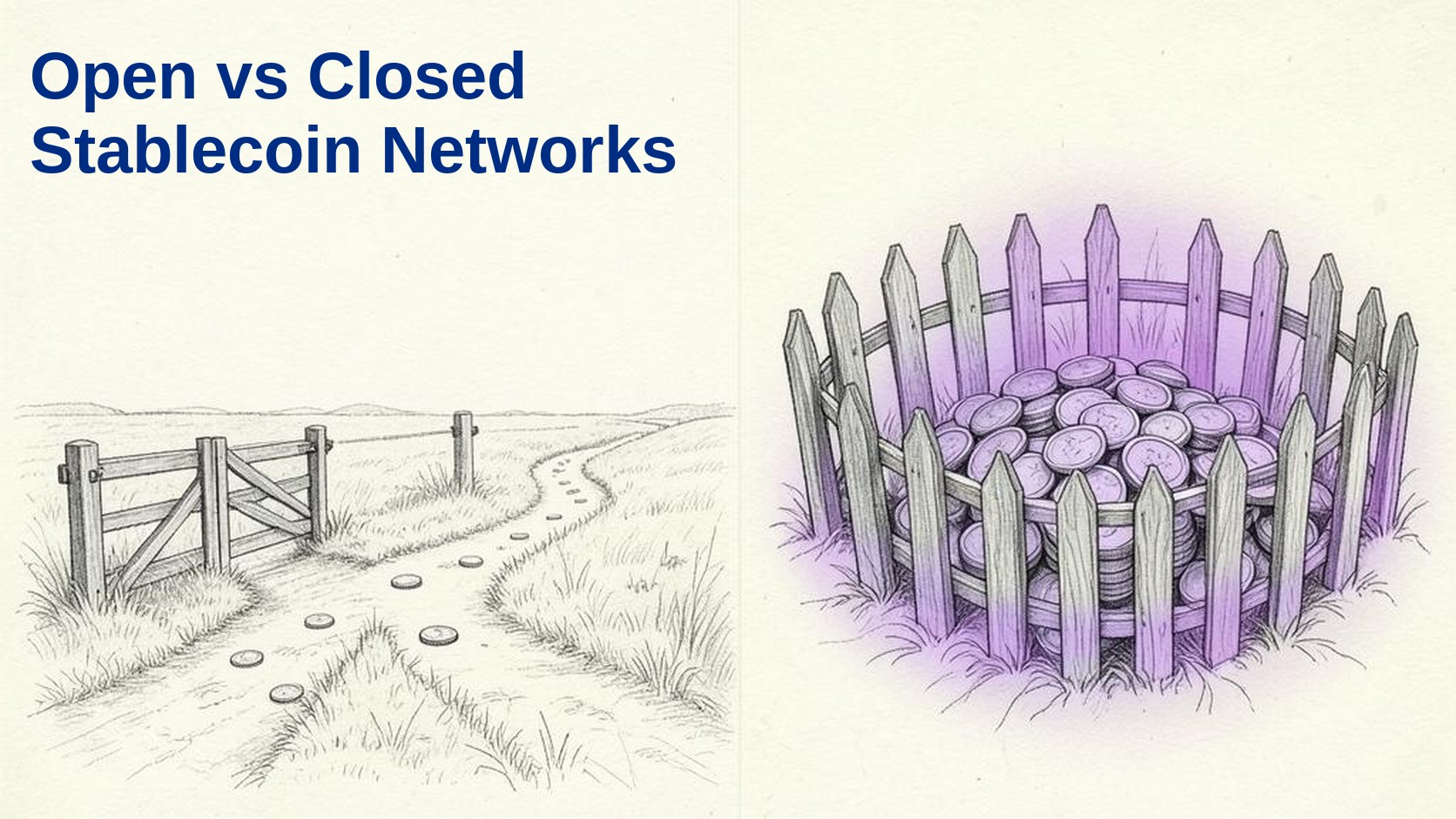 stablecoins
Open vs Closed Stablecoin Networks Explained (2026)
Open vs closed stablecoin networks explained, using Travel Rule infrastructure as the clearest real-world example of the distinction.
 stablecoins
Best Stablecoin Payment Solutions for Gaming (2026)
Sphere, MoonPay Business, and Triple-A compared for game studios adding stablecoin payment rails, plus what the Sony stablecoin signals for the sector.
 stablecoins
Best Stablecoin APIs: Top Options Compared (2026)
Bridge, BVNK, Circle, Zero Hash, and Crossmint compared as developer-facing stablecoin APIs for issuance, custody, and payments.
 stablecoins
Best Digital Asset Payments for Marketplaces (2026)
BVNK, Zero Hash, and Sphere compared for online marketplaces adding stablecoin seller payouts and buyer payment acceptance.
 stablecoins
What Is Payment Orchestration? Definition (2026)
Payment orchestration explained: how it routes, converts, and settles payments across rails, with real stablecoin infrastructure examples.
 stablecoins
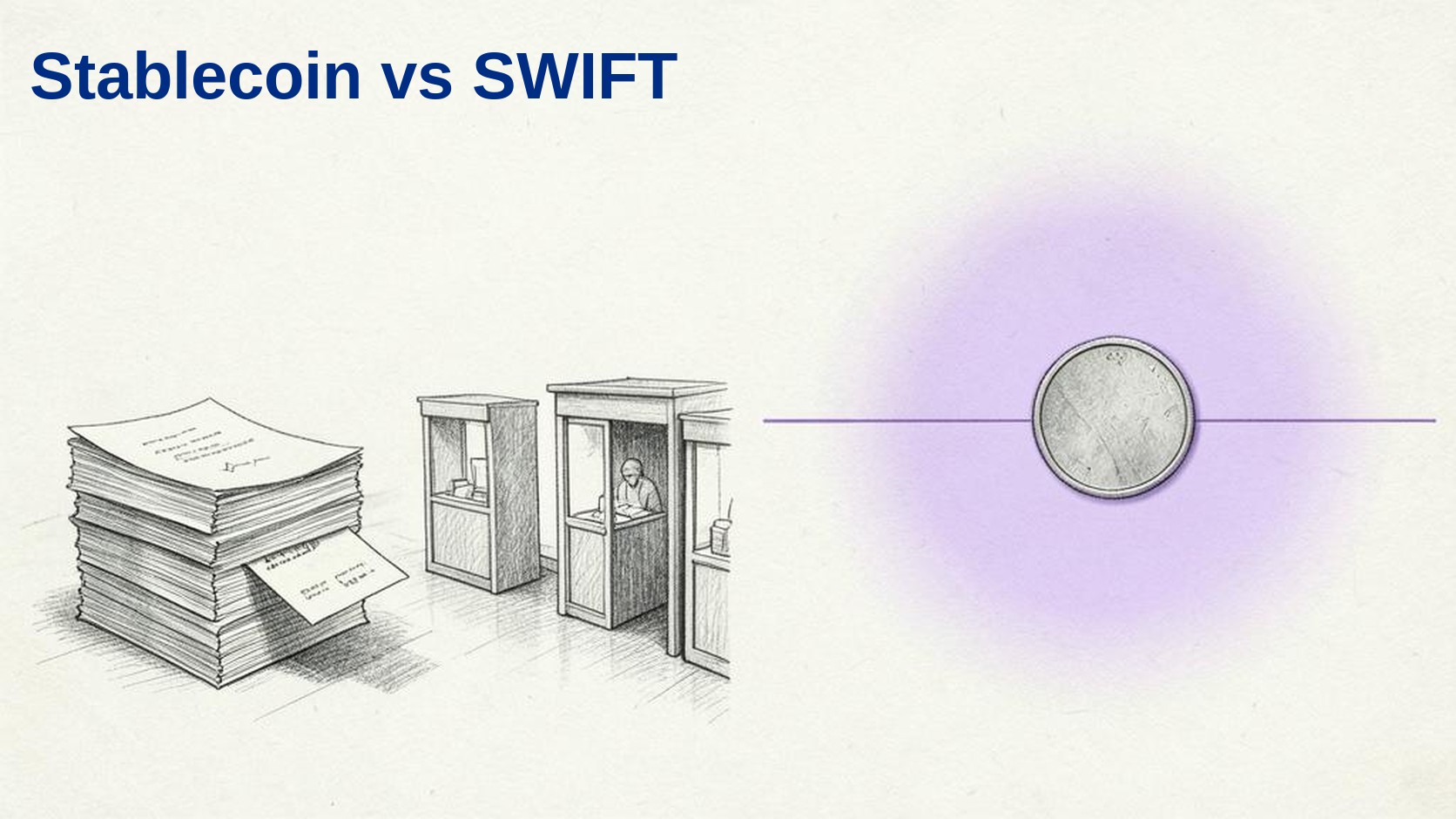
Stablecoin vs SWIFT: Key Differences (2026)
Stablecoin payments vs SWIFT compared on settlement speed, cost, and reliability for cross-border business payments.
 stablecoins
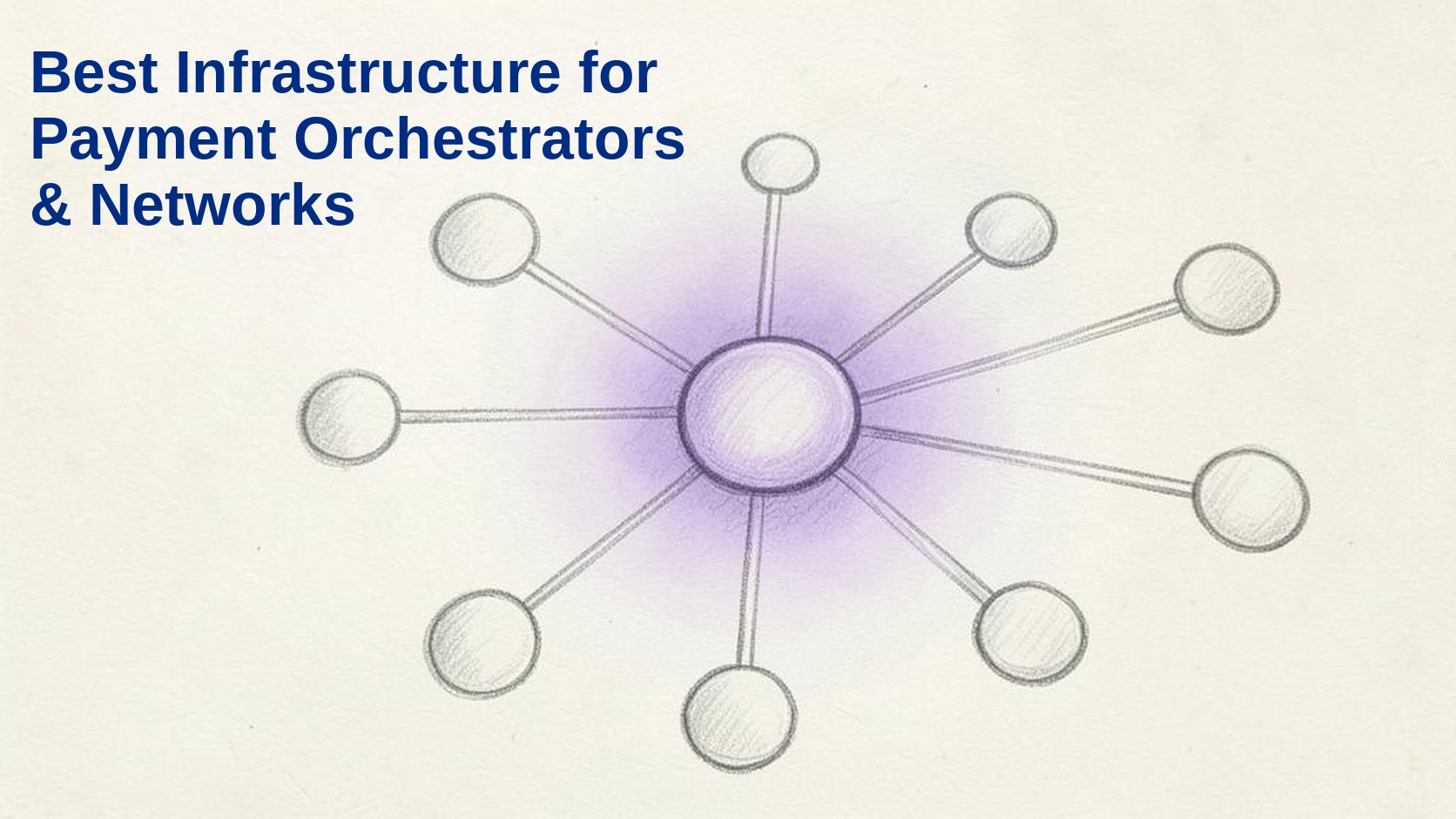
Best Stablecoin Infrastructure for Orchestrators (2026)
Eco, Fireblocks, and BVNK compared as the underlying infrastructure layer for payment orchestrators and networks building on top.
 stablecoins
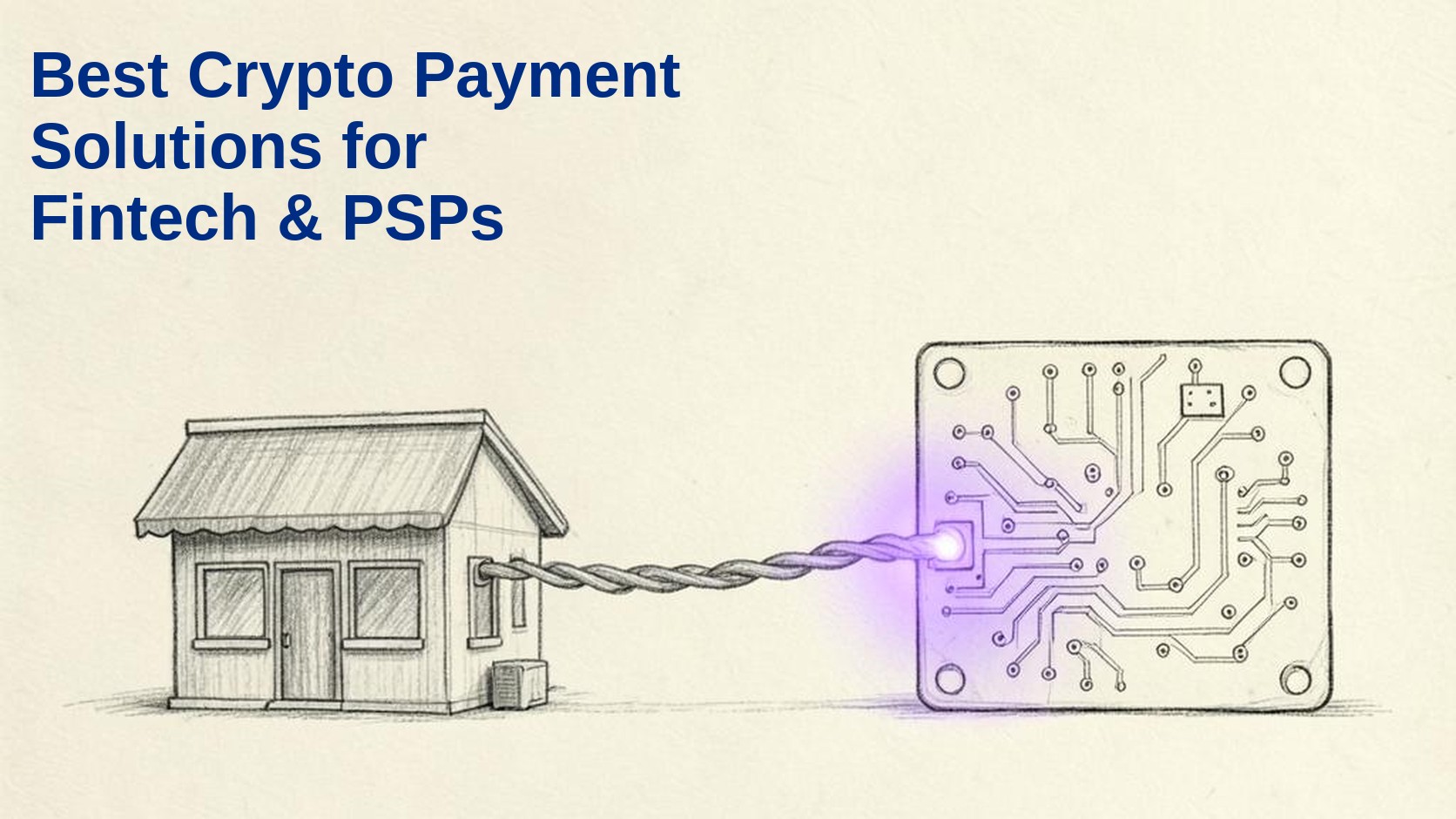
Best Crypto Payment Solutions for Fintech & PSPs (2026)
BVNK, Zero Hash, and Bridge compared for fintechs and payment service providers embedding stablecoin payments into their own product.
 stablecoins
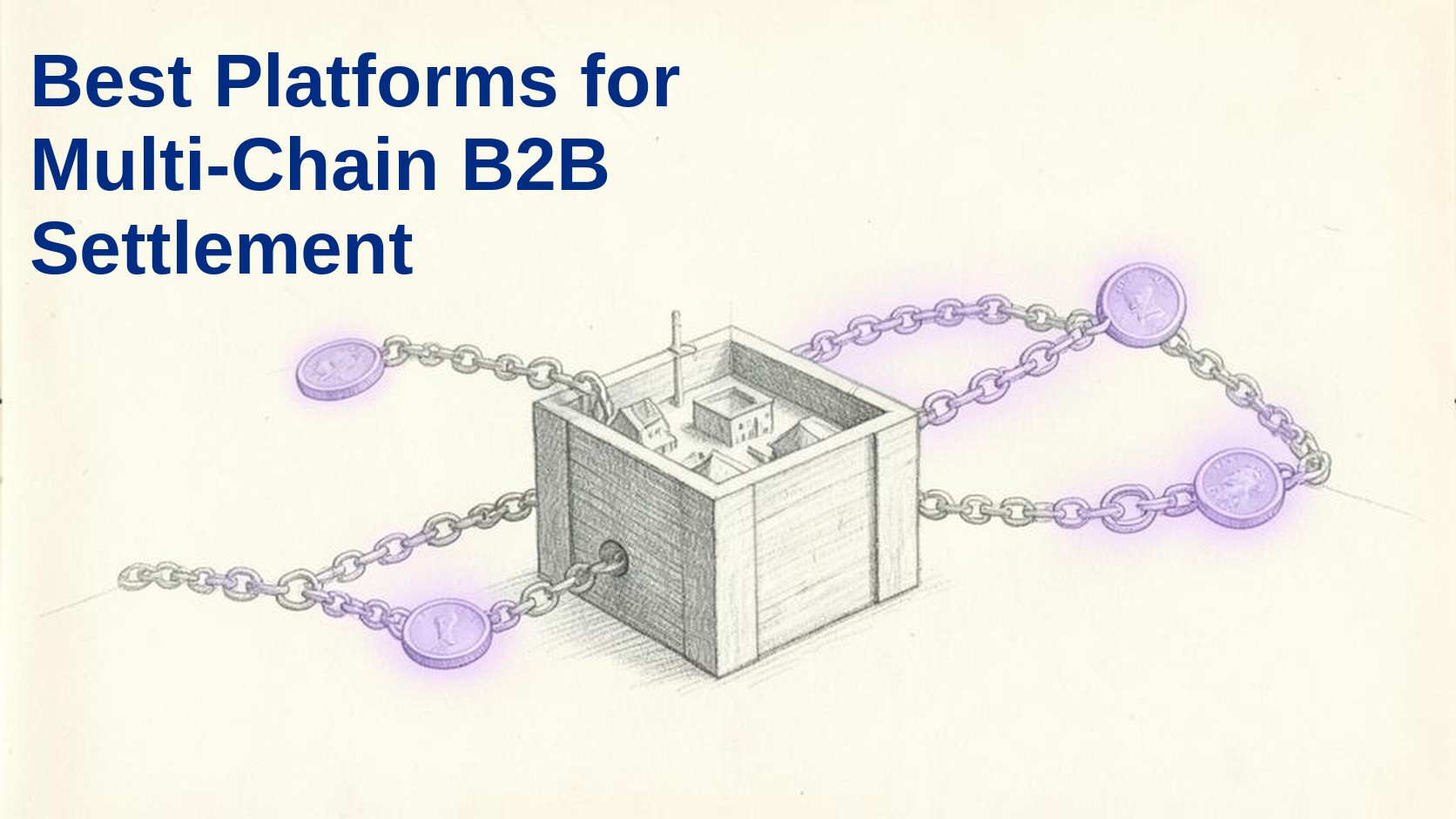
Best Platforms for Multi-Chain B2B Settlement (2026)
Fireblocks, Sphere, BVNK, and Bridge compared for multi-chain B2B stablecoin settlement on chain coverage, sweeps, and reconciliation.
 stablecoins
Best Stablecoin Payroll Platforms: Top Options (2026)
Rise, Deel, Toku, and Bitwage compared for stablecoin payroll on worker-controlled withdrawal, EOR coverage, and compliance depth.
 stablecoins
Best Stablecoin Invoice Payment Platforms (2026)
Request Finance, Bitwage, Coinshift, and Conduit compared for B2B stablecoin invoicing on recurring billing, ERP export, and custody model.
 stablecoins
Best Stablecoin Providers for Cross-Border Payments (2026)
Conduit, BVNK, Bitso Business, and dLocal compared for stablecoin cross-border payments on corridor depth and payout coverage.
 stablecoins
Best Stablecoin Payments for LATAM Cross-Border (2026)
Conduit, Bitso Business, and BVNK compared on SPEI, PIX, CVU, Nequi, and Yape coverage for LATAM stablecoin cross-border payments.
 stablecoins
Best Stablecoin Settlement for OTC Desks (2026)
Cumberland, B2C2, Wintermute, FalconX, and Galaxy compared for institutional stablecoin OTC settlement on liquidity, minimums, and rails.
 stablecoins
Best Compliant Stablecoin Settlement Solutions (2026)
BVNK, Fireblocks, Anchorage, and Circle Mint compared for compliant stablecoin settlement, on policy enforcement, audit trails, and licensing.
 stablecoins
Best Stablecoin Compliance Platforms: Top Options (2026)
Chainalysis, TRM Labs, Elliptic, Sumsub, and Notabene compared for stablecoin compliance across KYC, KYT, and Travel Rule.
 stablecoins
Best Stablecoin Infrastructure for Fintechs (2026)
BVNK, Bridge, Zero Hash, and Fireblocks compared for fintechs building stablecoin rails, on licensing, embed model, and corridor depth.
 stablecoins
7 Stripe Stablecoin Alternatives Compared (2026)
BVNK, Conduit, Zero Hash, Sphere, and more compared against Stripe's Bridge-powered stablecoin stack on independence, corridors, and compliance depth.
 stablecoins
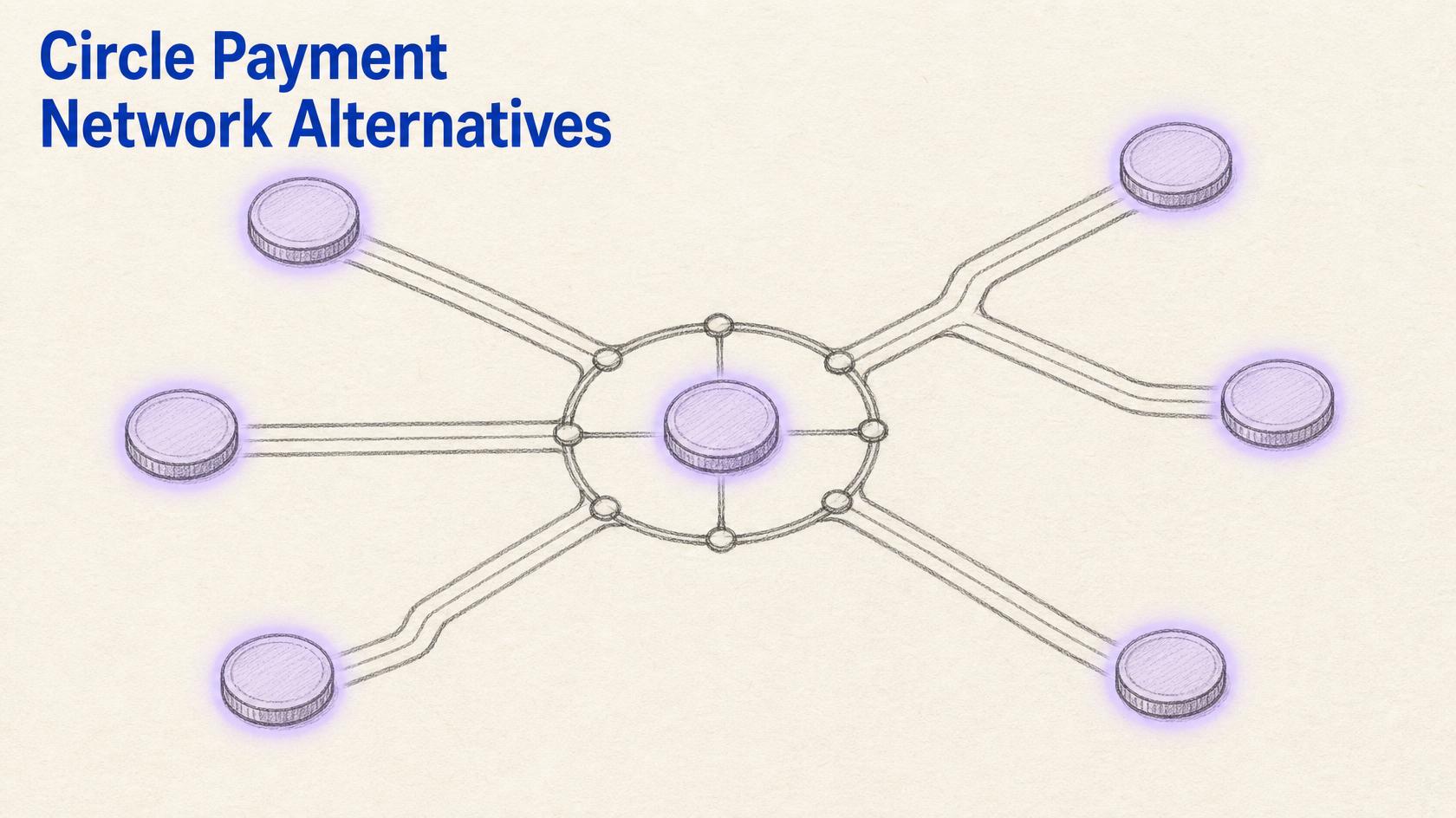
Circle Payment Network Alternatives Compared (2026)
Bridge, BVNK, Zero Hash, and Brale compared against Circle's Payment Network on multi-stablecoin support, fiat corridor reach, and issuance flexibility.
 stablecoins
Best Crypto On-Ramp Platforms: Top 7 Compared (2026)
MoonPay, Transak, Ramp Network, Banxa, Coinbase Onramp, and Stripe compared on fees, KYC tiers, and regional coverage for builders.
 stablecoins
Best Recurring Conversion Platforms for Treasury (2026)
Sphere, Kraken's Conversions API, Lightspark Grid, and Crossmint Business Offramp compared for automated recurring stablecoin-to-fiat conversion.