Learn
 Fundamentals
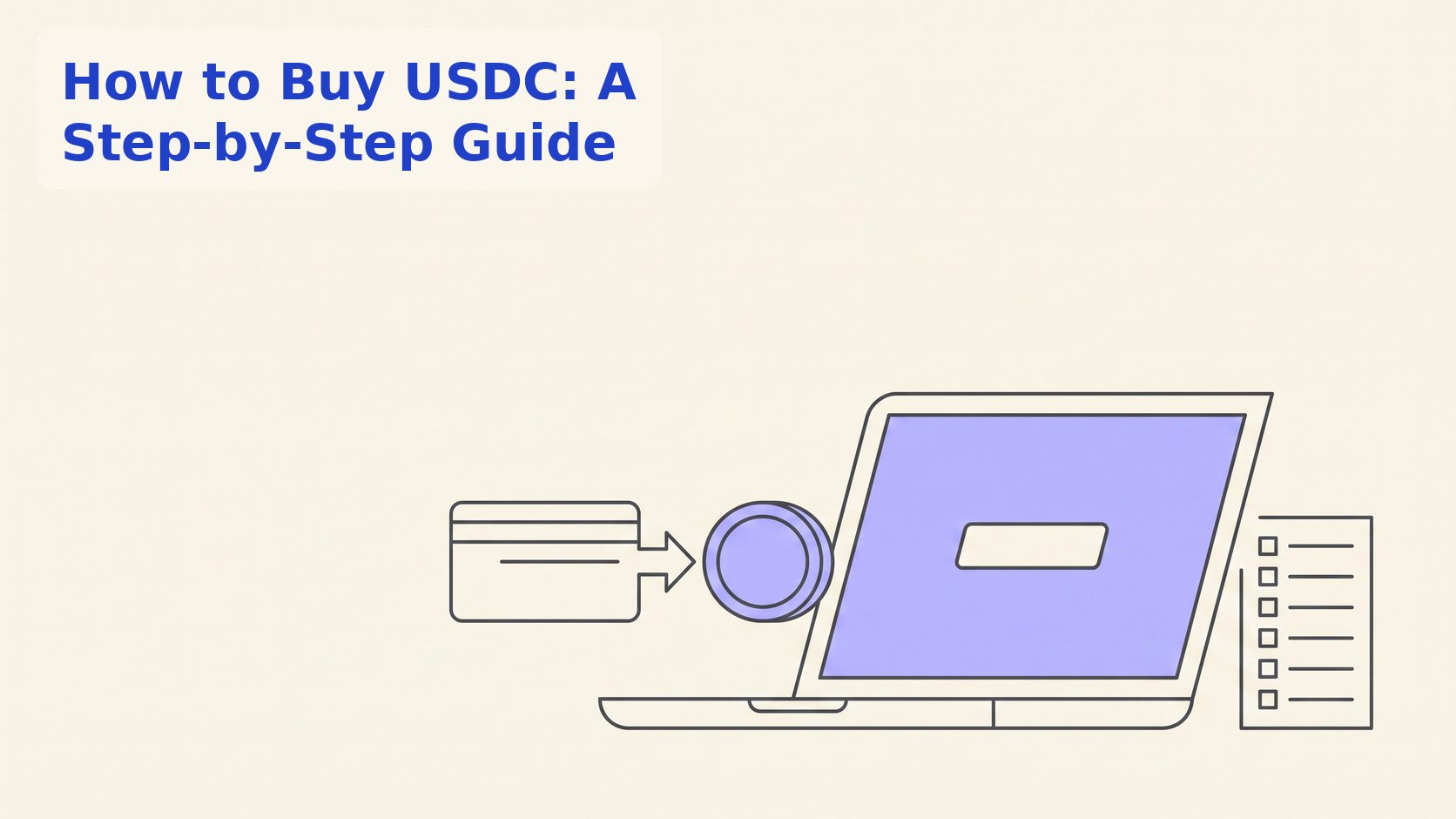
How to Buy USDC: A Step-by-Step Guide
How to buy USDC: the cheapest ways to buy on exchanges or in wallets, step by step, plus how to choose the right network and avoid costly mistakes.
 Stablecoins Explained
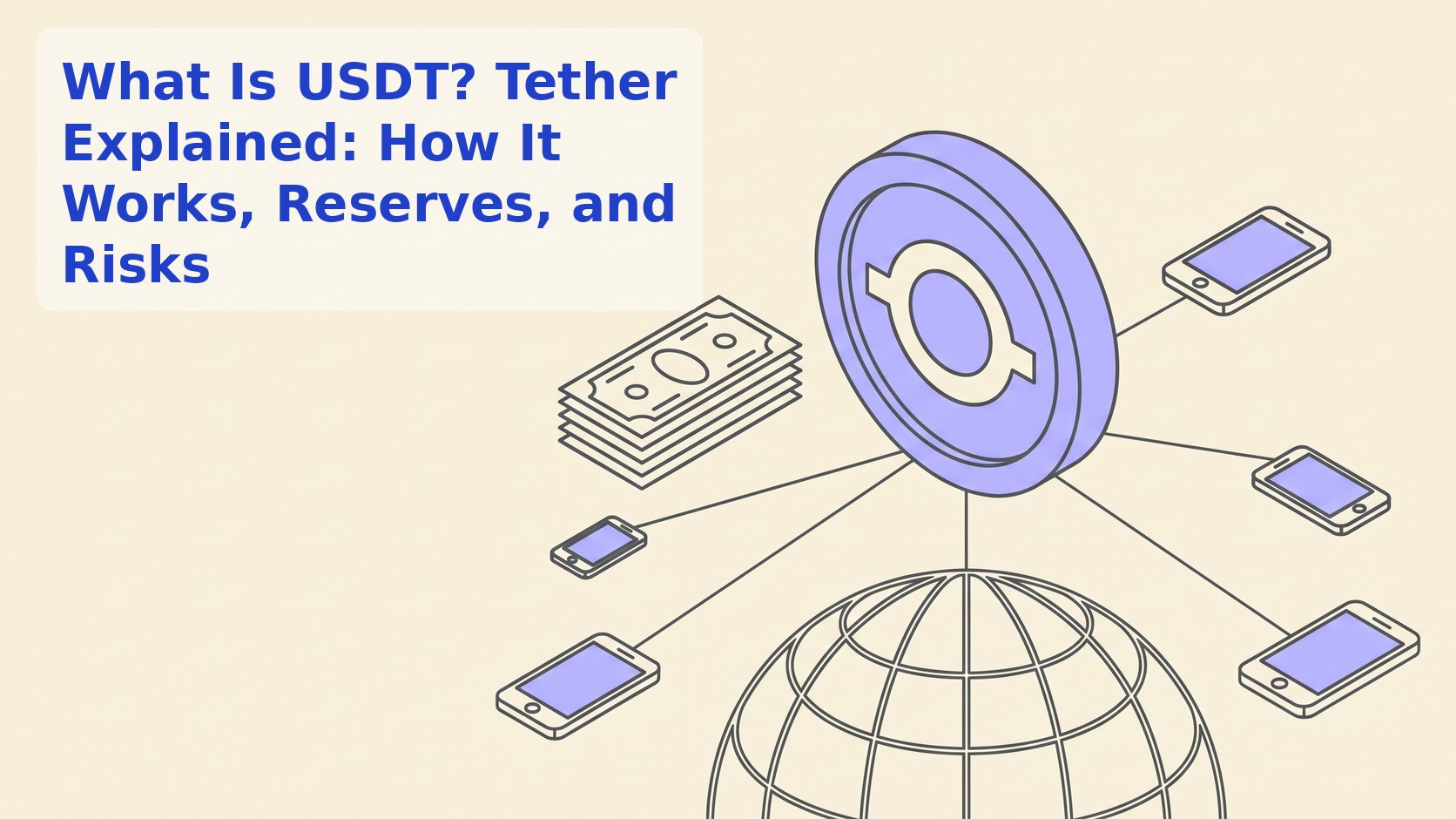
What Is USDT? Tether Explained: How It Works, Reserves, and Risks
What is USDT: how Tether's stablecoin works, what backs it, how it fits the GENIUS Act and USAT, and the real risks of holding it.
 Stablecoins Explained
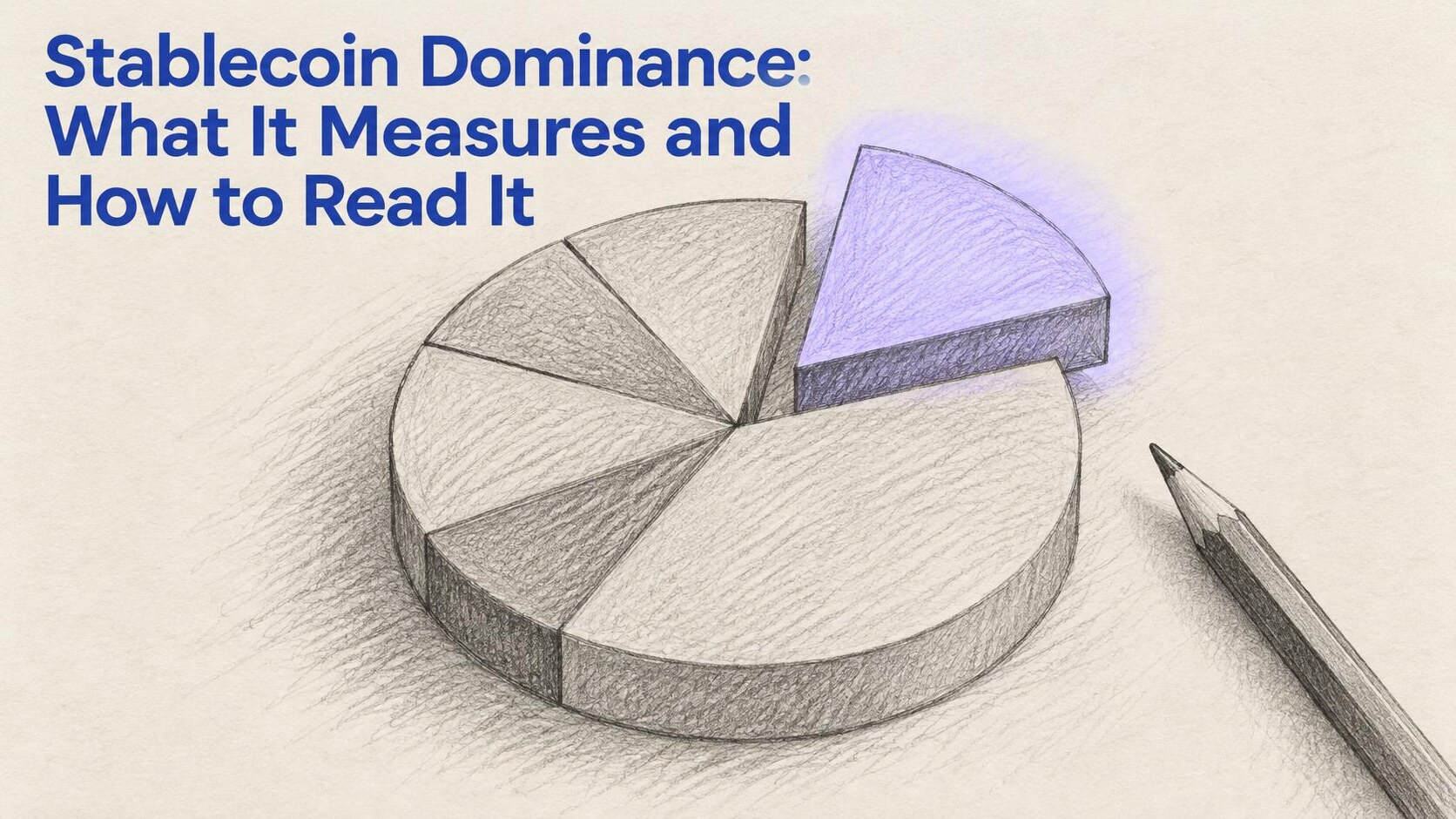
Stablecoin Dominance: What It Measures and How to Read It
Stablecoin dominance is stablecoins' share of total crypto market cap. How it is calculated, what rising or falling dominance signals, and why it is changing.
 Stablecoins Explained
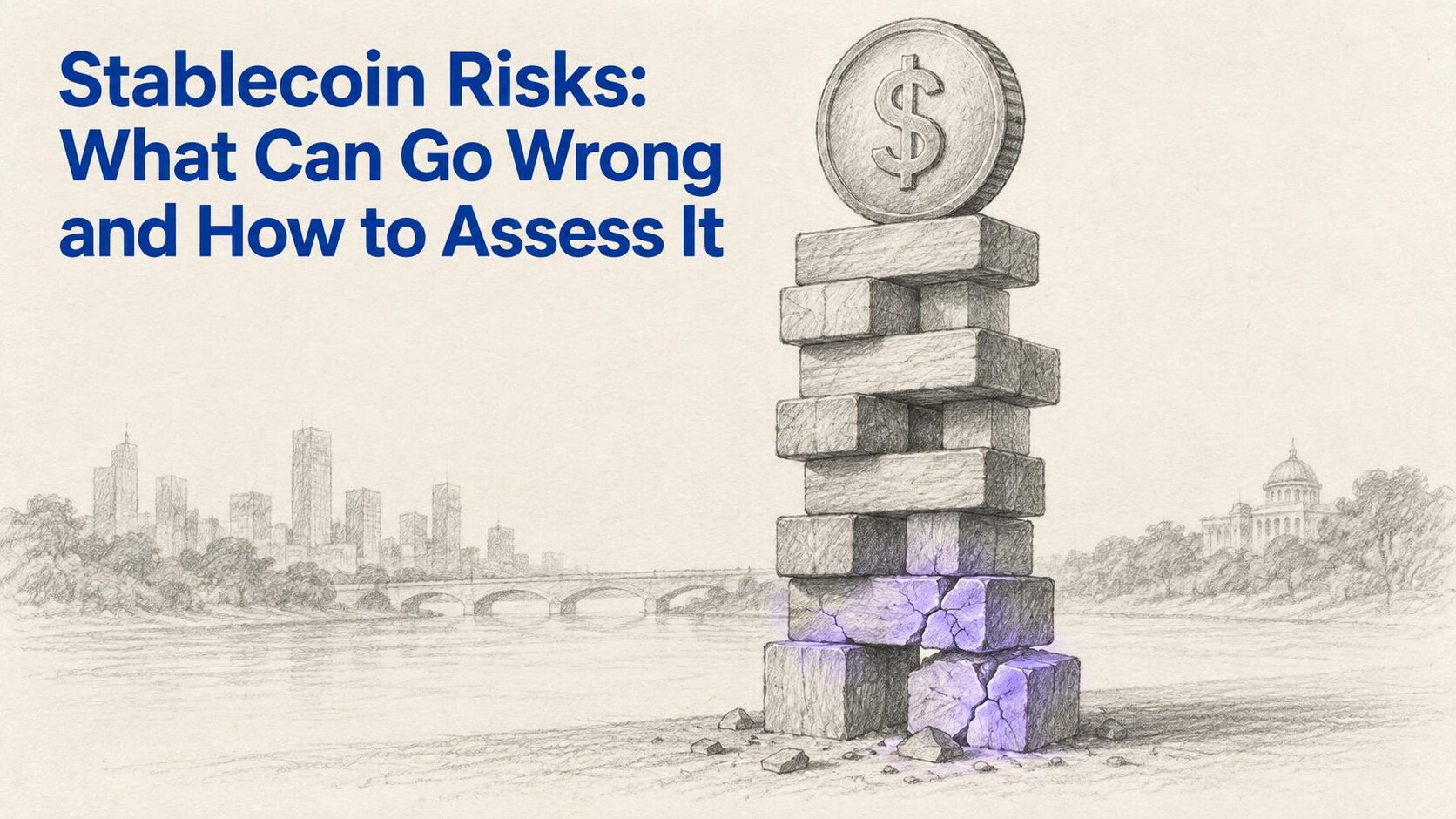
Stablecoin Risks: What Can Go Wrong and How to Assess It
The main stablecoin risks: reserves, runs and depegs, freezes, smart contracts, DeFi contagion, regulation and concentration, plus an assessment checklist.
 Stablecoins Explained
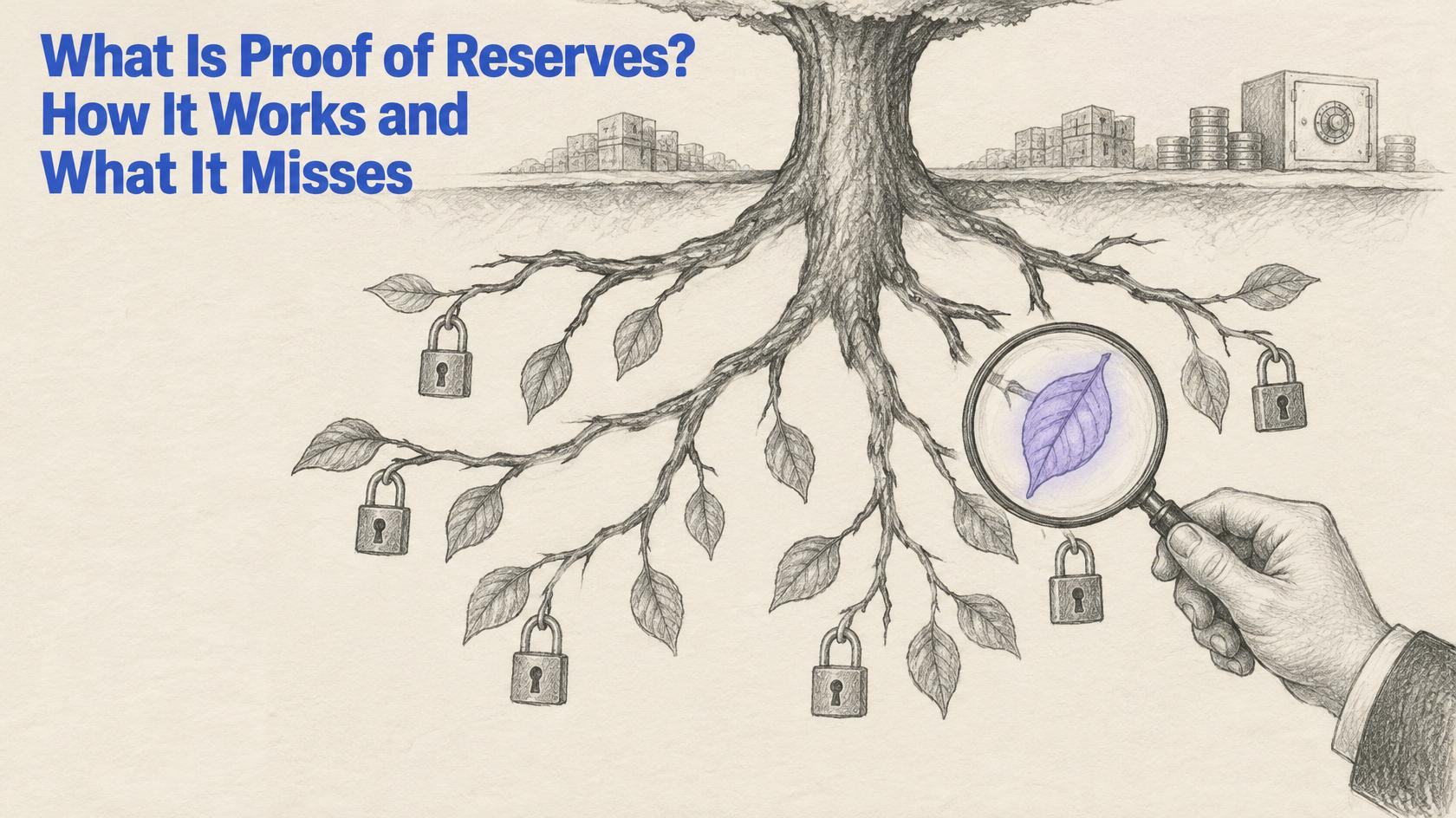
What Is Proof of Reserves? How It Works and What It Misses
Proof of reserves shows an exchange or stablecoin issuer holds the assets it owes. How Merkle trees, zk-proofs and attestations work, and what PoR misses.
 Stablecoins Explained
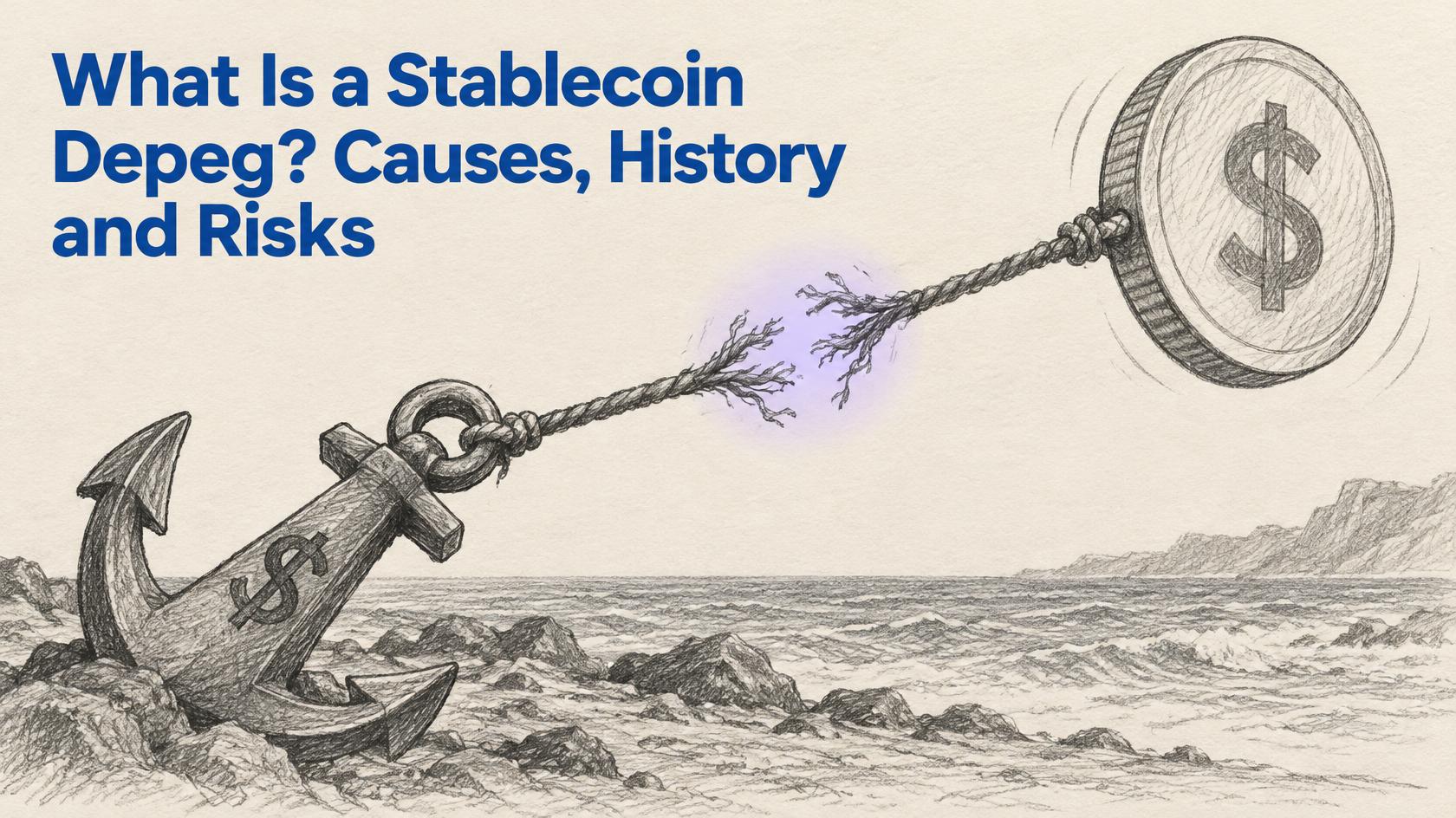
What Is a Stablecoin Depeg? Causes, History and Risks
A depeg is when a stablecoin trades away from $1. Why depegs happen, every major event from UST to USDC and USDe, and how to tell a blip from a collapse.
 Stablecoins Explained
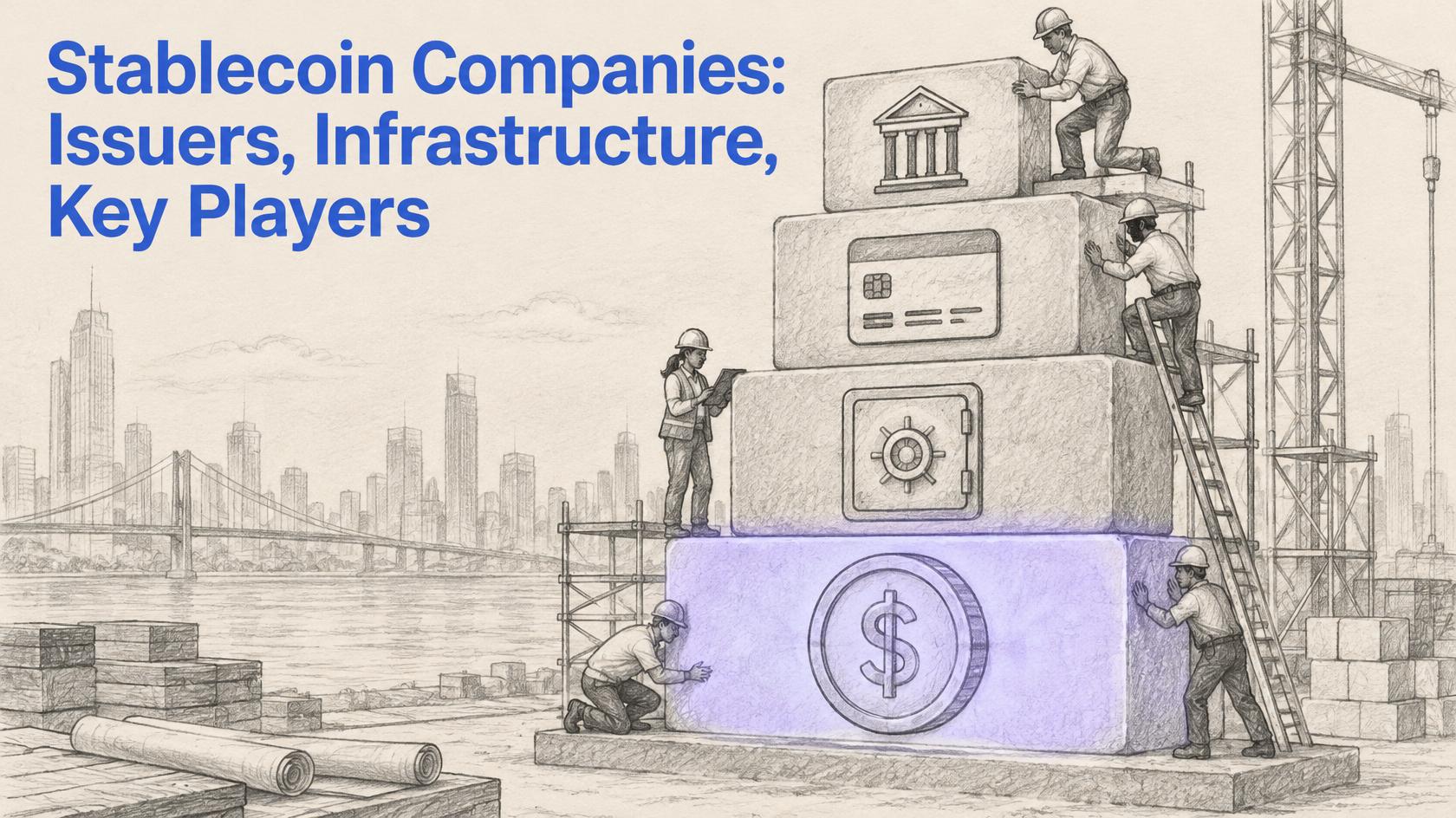
Stablecoin Companies: Issuers, Infrastructure, Key Players
A market map of stablecoin companies: issuers, issuance platforms, payment infrastructure, card networks and banks. Who does what and recent deals.
 Stablecoins Explained
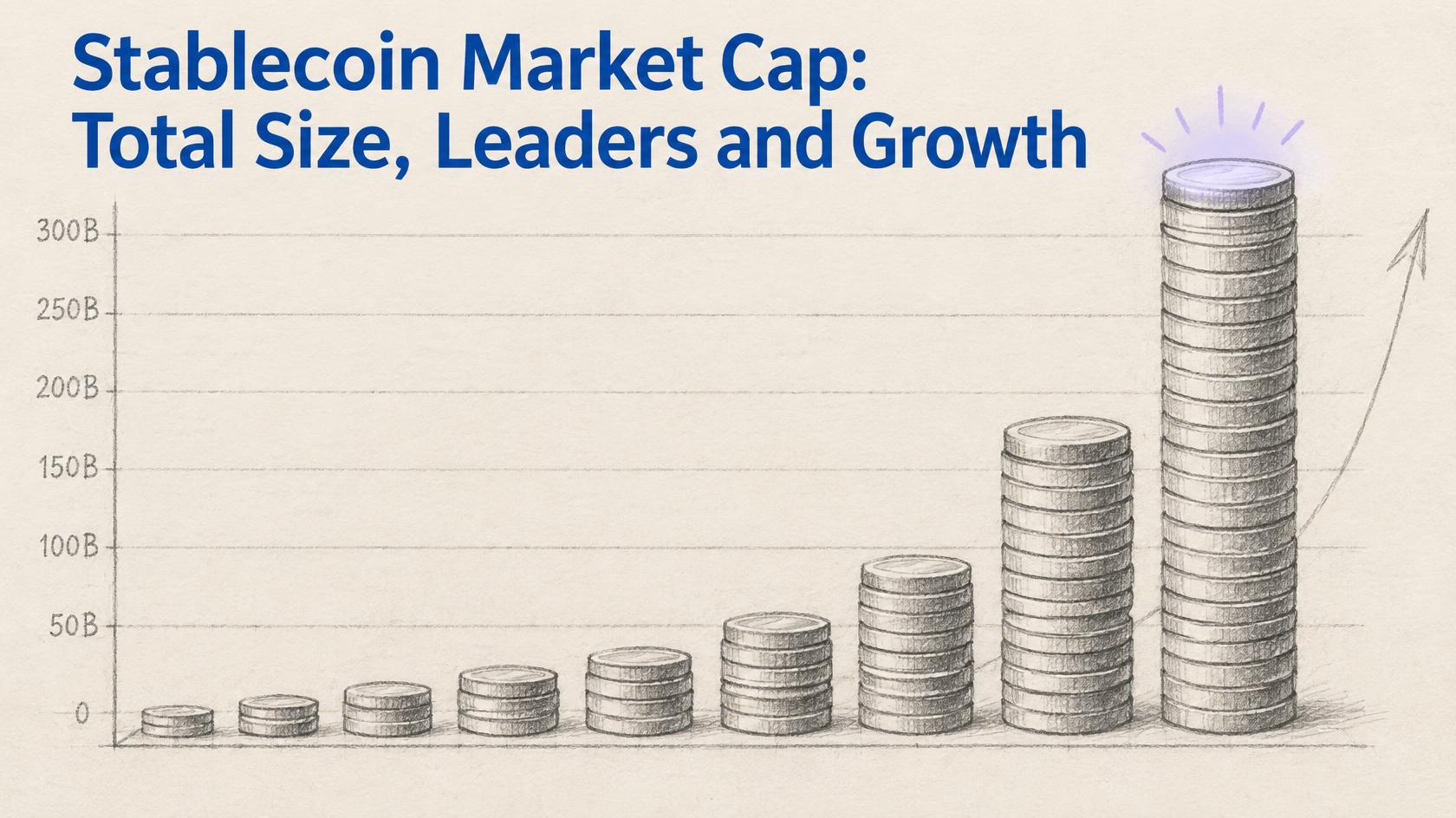
Stablecoin Market Cap: Total Size, Leaders and Growth
How big is the stablecoin market? Total market cap, USDT and USDC share, the top stablecoins and chains, growth since 2020, and why trackers disagree.
 Stablecoins Explained
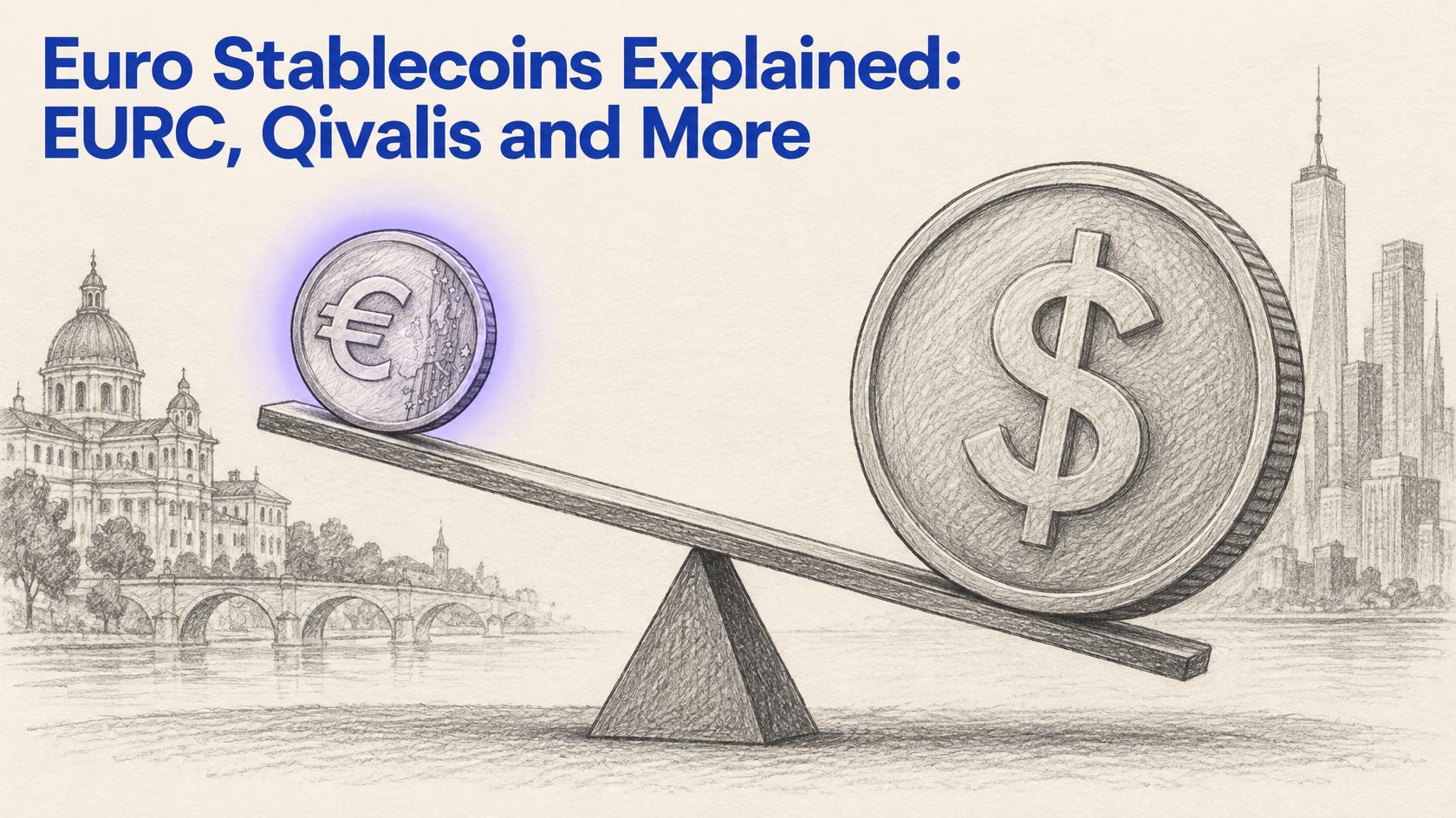
Euro Stablecoins Explained: EURC, Qivalis and More
Euro stablecoins are tokens pegged 1:1 to the euro. The main options compared, how MiCA regulates them, and why they remain under 1% of the stablecoin market.
 Fundamentals
What Is an Onchain Transaction: A Finance Professional's Guide
Onchain, the transfer is the settlement. A settlement-focused explainer contrasting blockchain transactions with legacy book-entry clearing, with a worked example.
 Stablecoins Explained
Stablecoin News: Key Developments to Watch in 2026
A dated, sourced digest of the 2026 stablecoin agenda: the GENIUS Act licensing clock, bank payout rails, the dollar debate, and which outlets cover it best.
 Stablecoins Explained
What Is GHO: Aave's Decentralized Stablecoin Explained
A plain-English breakdown of GHO, Aave's overcollateralized stablecoin: how it mints, why it depegged in 2023, how CCIP moves it across chains, and where DAO revenue lands.
 Fundamentals
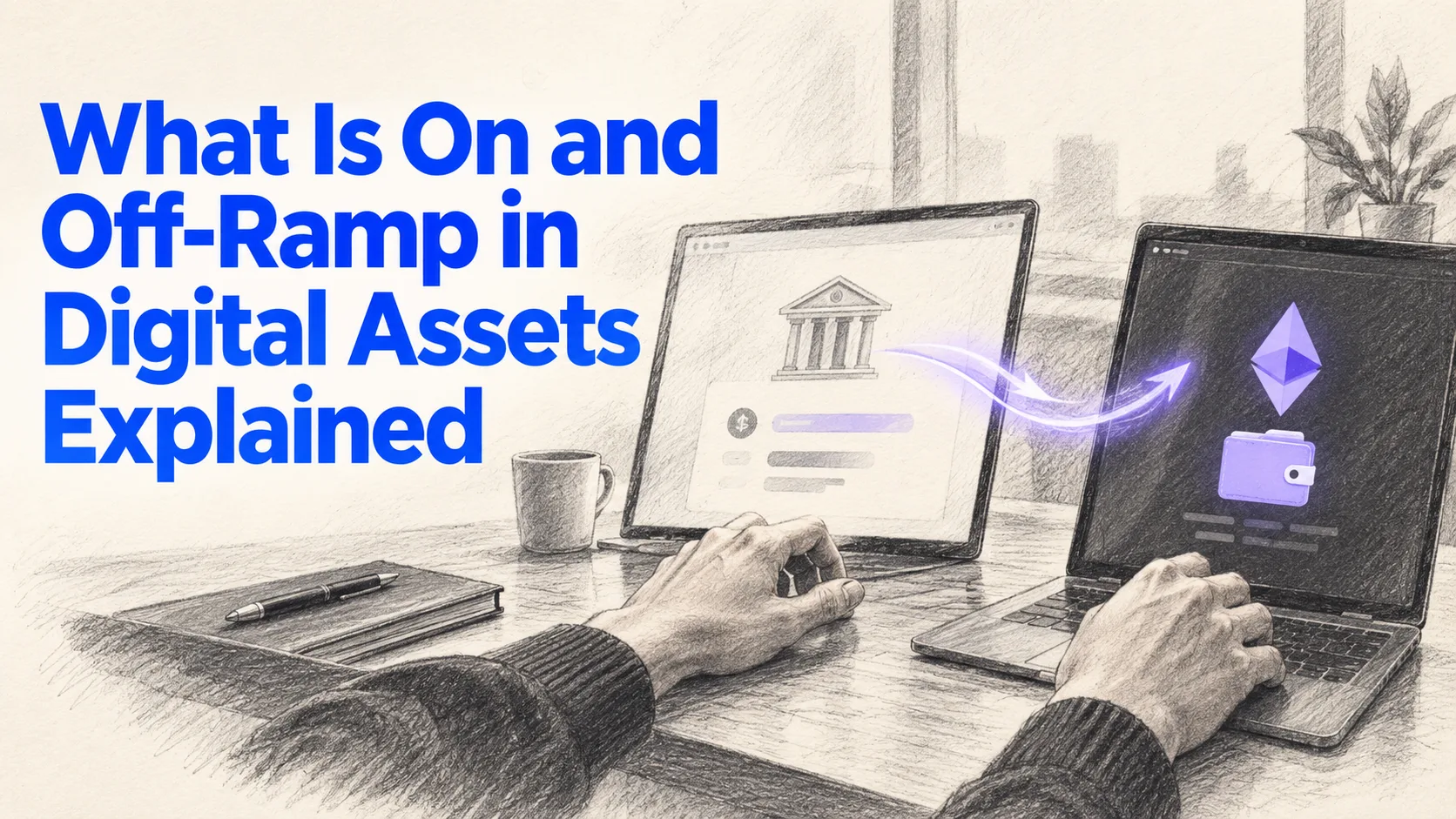
What Is On and Off-Ramp in Digital Assets Explained
On-ramps are mostly a solved problem. Off-ramps are not. The asymmetry explains most of what institutions and builders get wrong at the fiat-crypto boundary.
 Stablecoins Explained
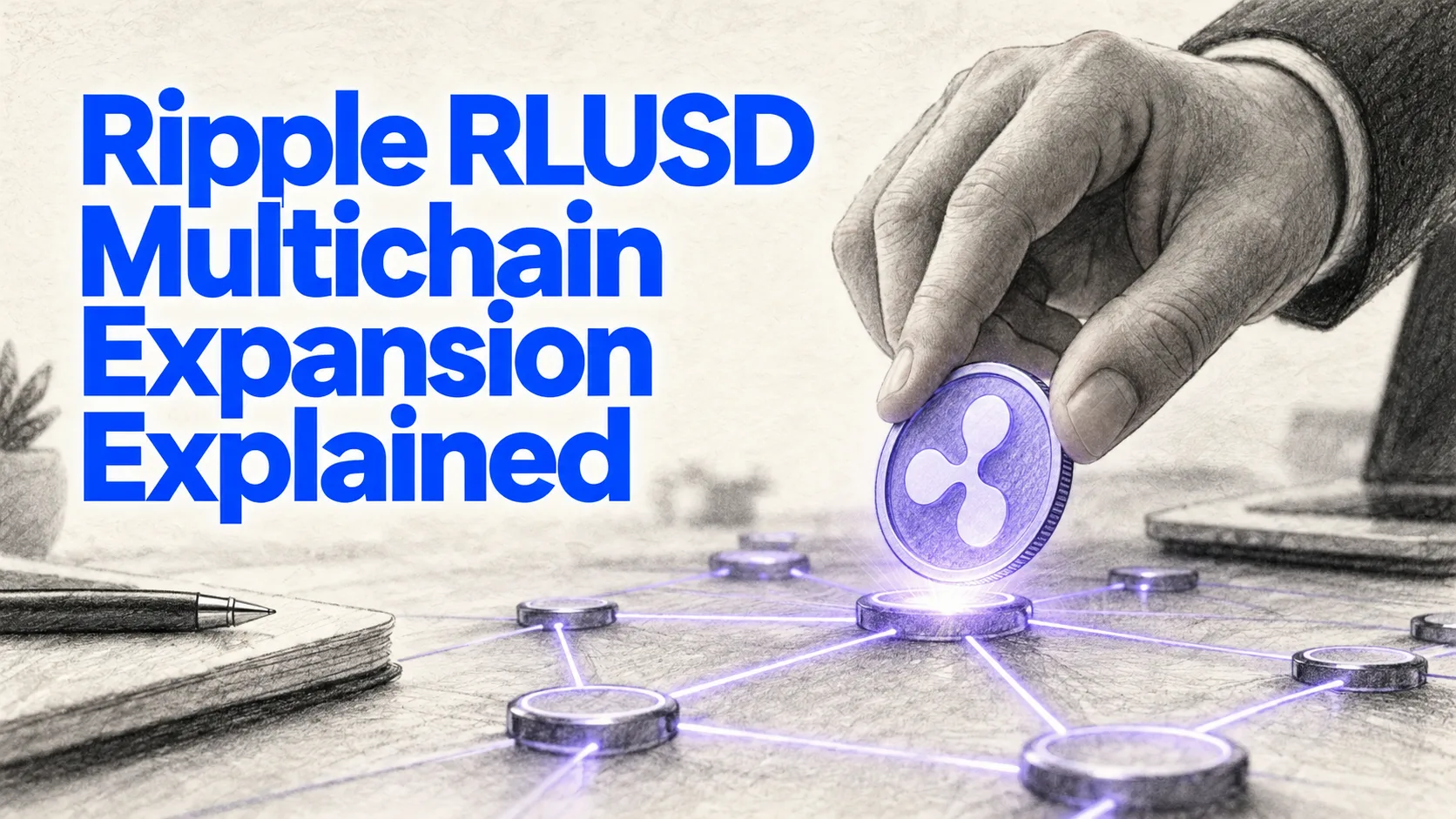
Ripple RLUSD Multichain Expansion Explained
A regulated dollar token now circulates natively across four Ethereum L2s without wrapping. Here is what Ripple's architectural choice actually buys institutions.
 Stablecoins Explained
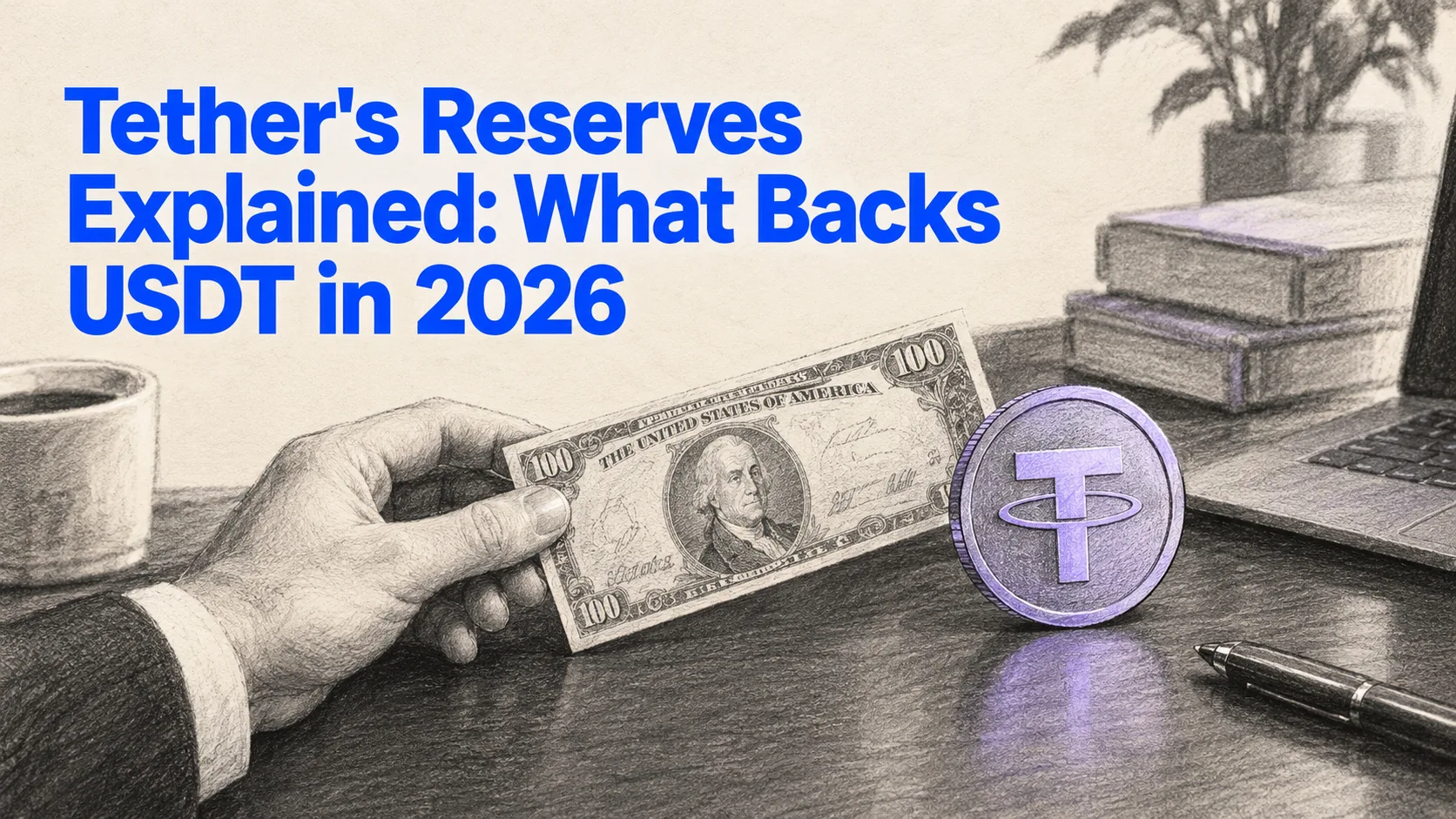
Tether's Reserves Explained: What Backs USDT in 2026
USDT is $183 billion of float sitting mostly in Treasury bills, but the interesting questions are about attestation regime, corporate domicile, and MiCA exposure.
 Stablecoins Explained
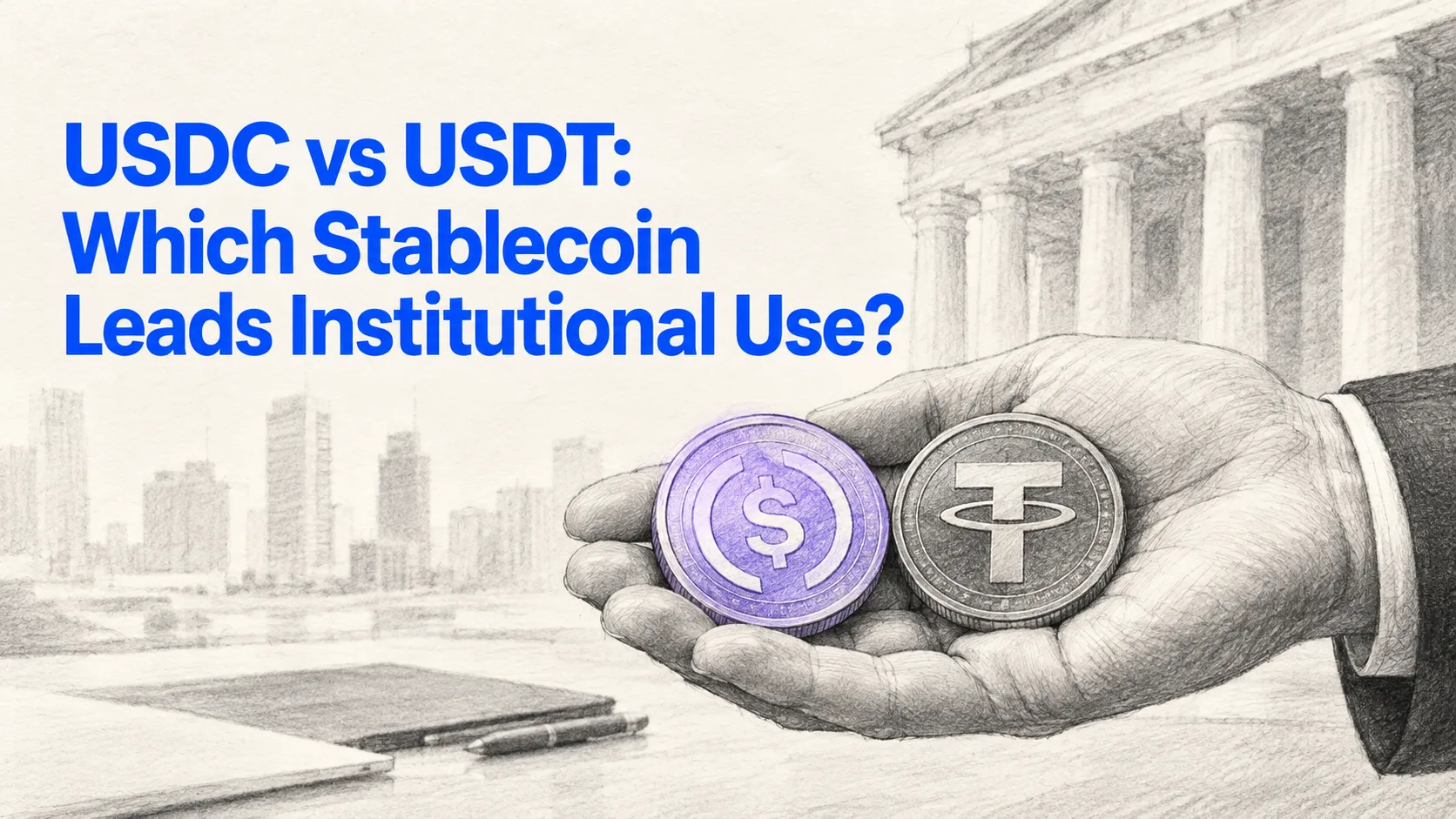
USDC vs USDT: Which Stablecoin Leads Institutional Use?
A treasury-desk read on USDC and USDT: Circle wins on transparency and regulated reserves, Tether keeps the liquidity crown. The trade-offs matter more than the ticker.
 Stablecoins Explained
What Is World Liberty Financial? USD1 Stablecoin Explained
A concise research brief on World Liberty Financial: the Trump-linked DeFi protocol, its USD1 stablecoin, WLFI governance token, and the political footnotes attached.
 Fundamentals
What Is Onchain Finance? A Primer For Finance Professionals
A concise institutional brief on onchain finance: what it is, how tokenization and settlement actually work, and where the plumbing still needs to be built before allocators can treat OnFi as market infrastructure.