Reviews and Comparisons
 Wallets
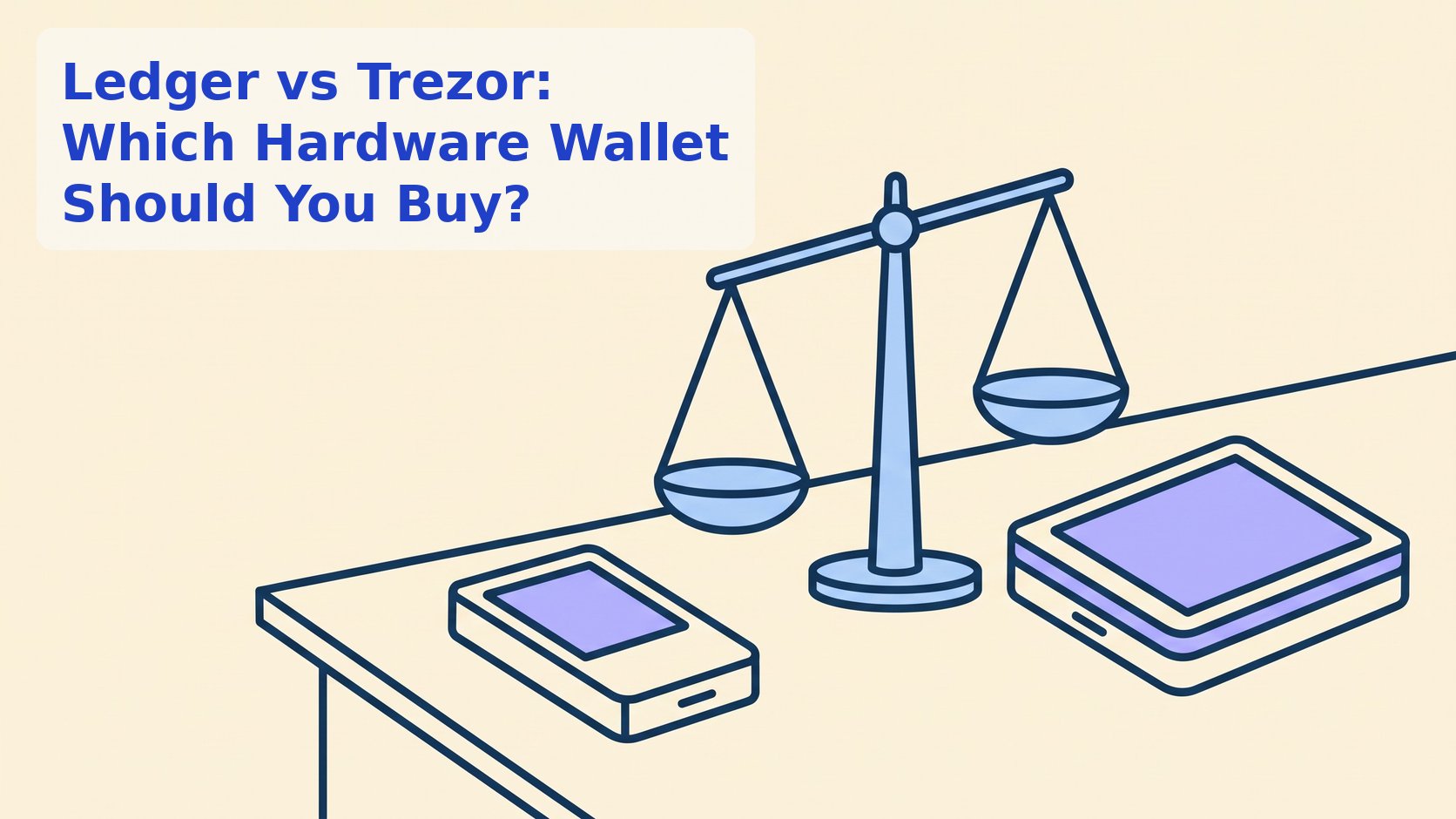
Ledger vs Trezor: Which Hardware Wallet Should You Buy?
Ledger vs Trezor compared: security model, open source vs secure element, models and prices, mobile support, backups, and which hardware wallet to buy.
 Yield & Loans
Ledn Review: Bitcoin Loans That Put Collateral Safety Ahead of Price
Our Ledn review: bitcoin-backed loans at 9.25% to 11.49% APR, 50% LTV, no rehypothecation and USDC or USDT funding. Who it suits, and the honest catch.
 Cross-Border & LATAM
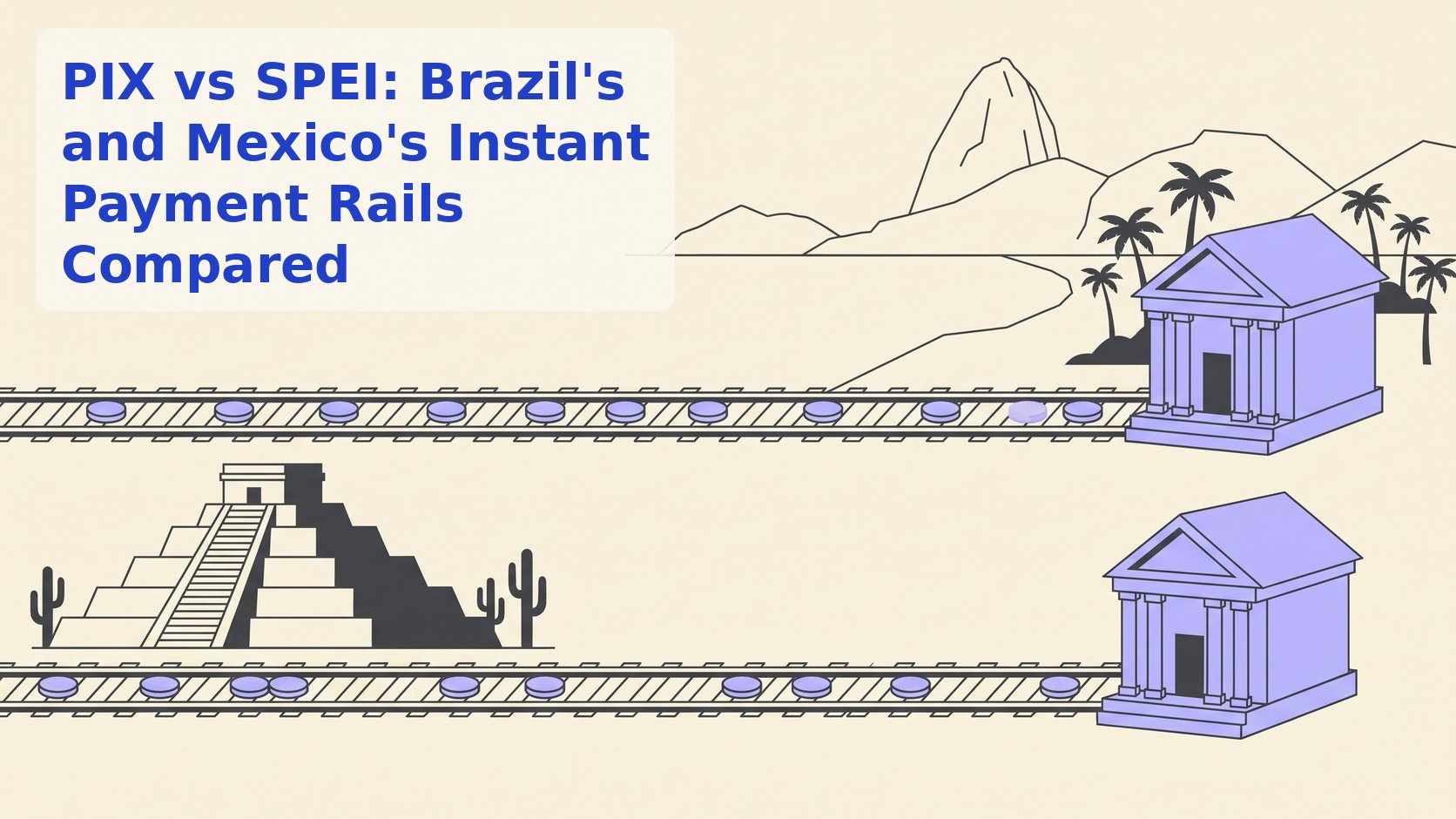
PIX vs SPEI: Brazil's and Mexico's Instant Payment Rails Compared
PIX vs SPEI compared: Brazil's and Mexico's central bank instant payment systems on identifiers, fees, QR payments, and stablecoin payouts.
 Cards
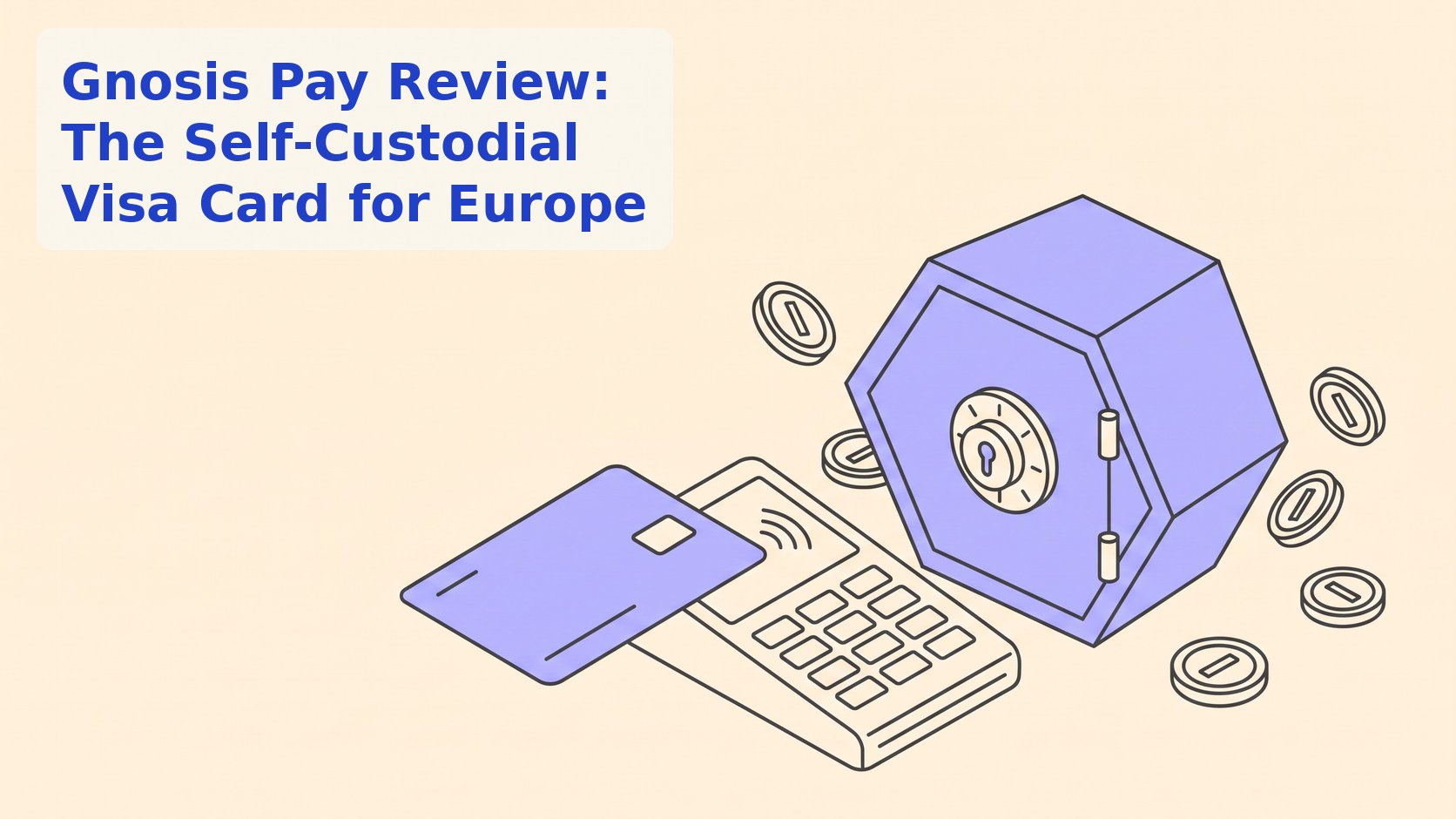
Gnosis Pay Review: The Self-Custodial Visa Card for Europe
Gnosis Pay review: a self-custodial Visa debit card spending stablecoins from a Safe account, with 0% FX, GNO cashback tiers, fees and availability.
 Infrastructure
Revolut Business Review: US Plans, Fees, and Who It Fits
Revolut Business review: current US prices ($10, $50, $180 a month), transfer and FX allowances, real limitations, and how it compares with Wise Business.
 Cards
Revolut Review: Plans, Fees, and Who It Suits in the US
Revolut review for US users: Standard, Premium and Metal plans compared on currency exchange, ATM limits, savings rates and fees, plus who it suits.
 Cards
Nexo Card Review: Dual Credit and Debit Card for Crypto Holders
Nexo Card review: Debit Mode vs Credit Mode, cashback tiers, borrowing rates, fees and availability, including why US residents cannot get it.
 Wallets
Ledger Wallet Review: Which Ledger Should You Buy?
Ledger wallet review: Nano S Plus, Nano X, Nano Gen5, Flex and Stax compared on price, security and features, plus Ledger's real weaknesses.
 Cards
ether.fi Card Review: Self-Custodial Visa With Up to 3% Cashback
ether.fi Card review: a self-custodial Visa paying 3% cashback on the first $2,000 a month, with Borrow Mode, fees, US state limits and who it suits.
 Policy
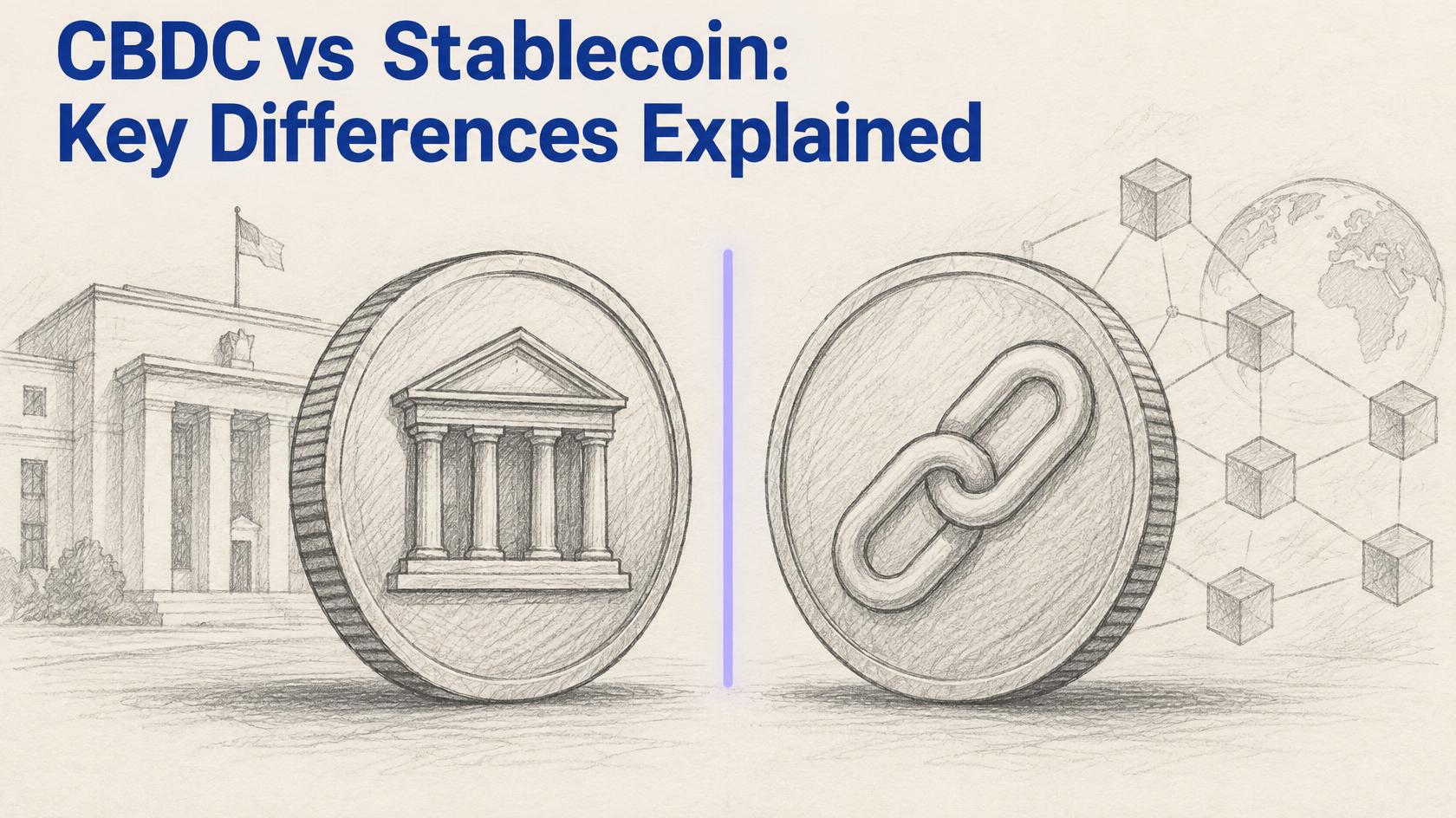
CBDC vs Stablecoin: Key Differences Explained
A CBDC is central bank money; a stablecoin is a private token backed by reserves. How they differ on issuer, risk, privacy, adoption and coexistence.
 Stablecoins Explained
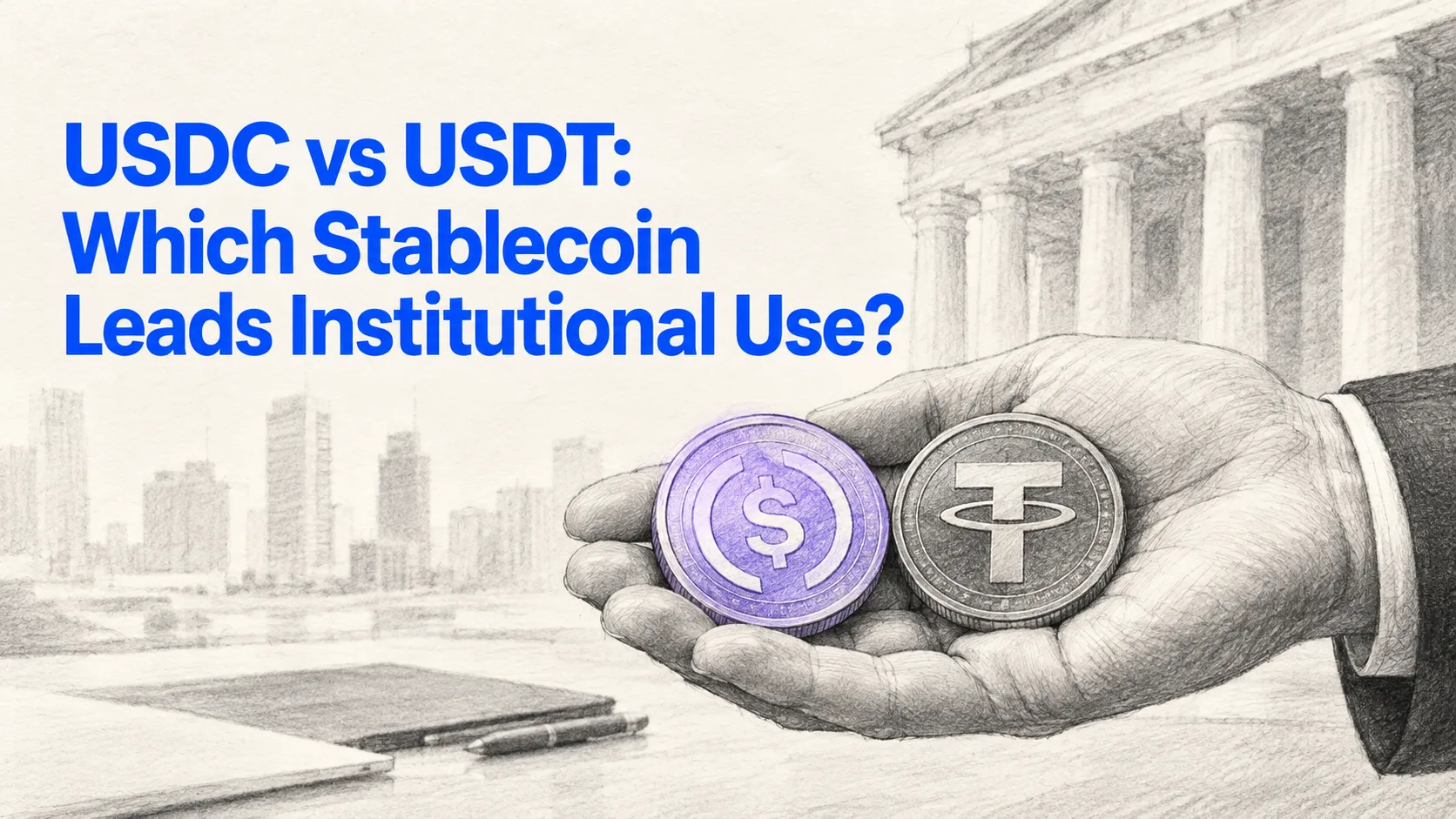
USDC vs USDT: Which Stablecoin Leads Institutional Use?
A treasury-desk read on USDC and USDT: Circle wins on transparency and regulated reserves, Tether keeps the liquidity crown. The trade-offs matter more than the ticker.
 Infrastructure
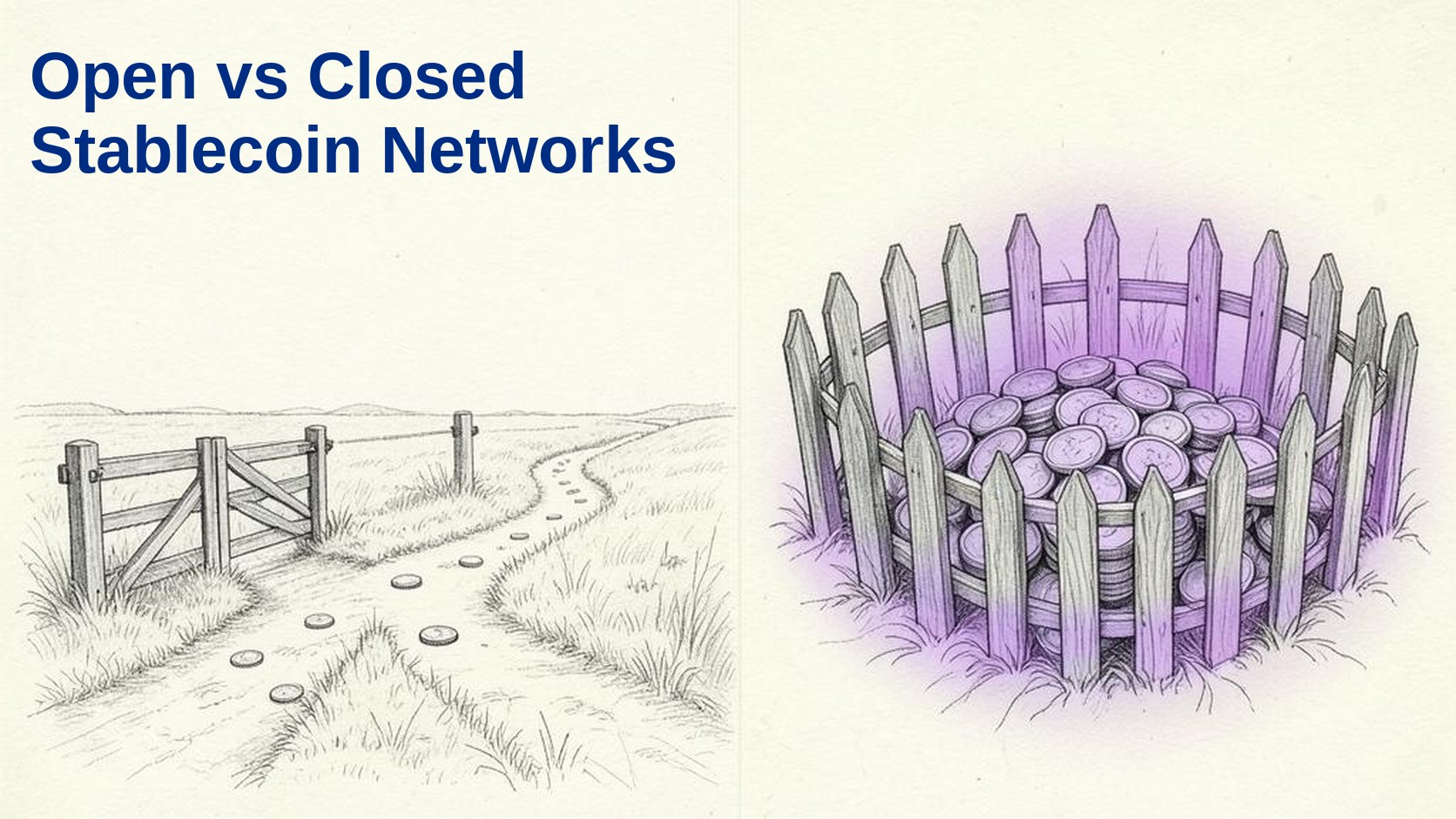
Open vs Closed Stablecoin Networks Explained (2026)
Open vs closed stablecoin networks explained, using Travel Rule infrastructure as the clearest real-world example of the distinction.
 Cross-Border & LATAM
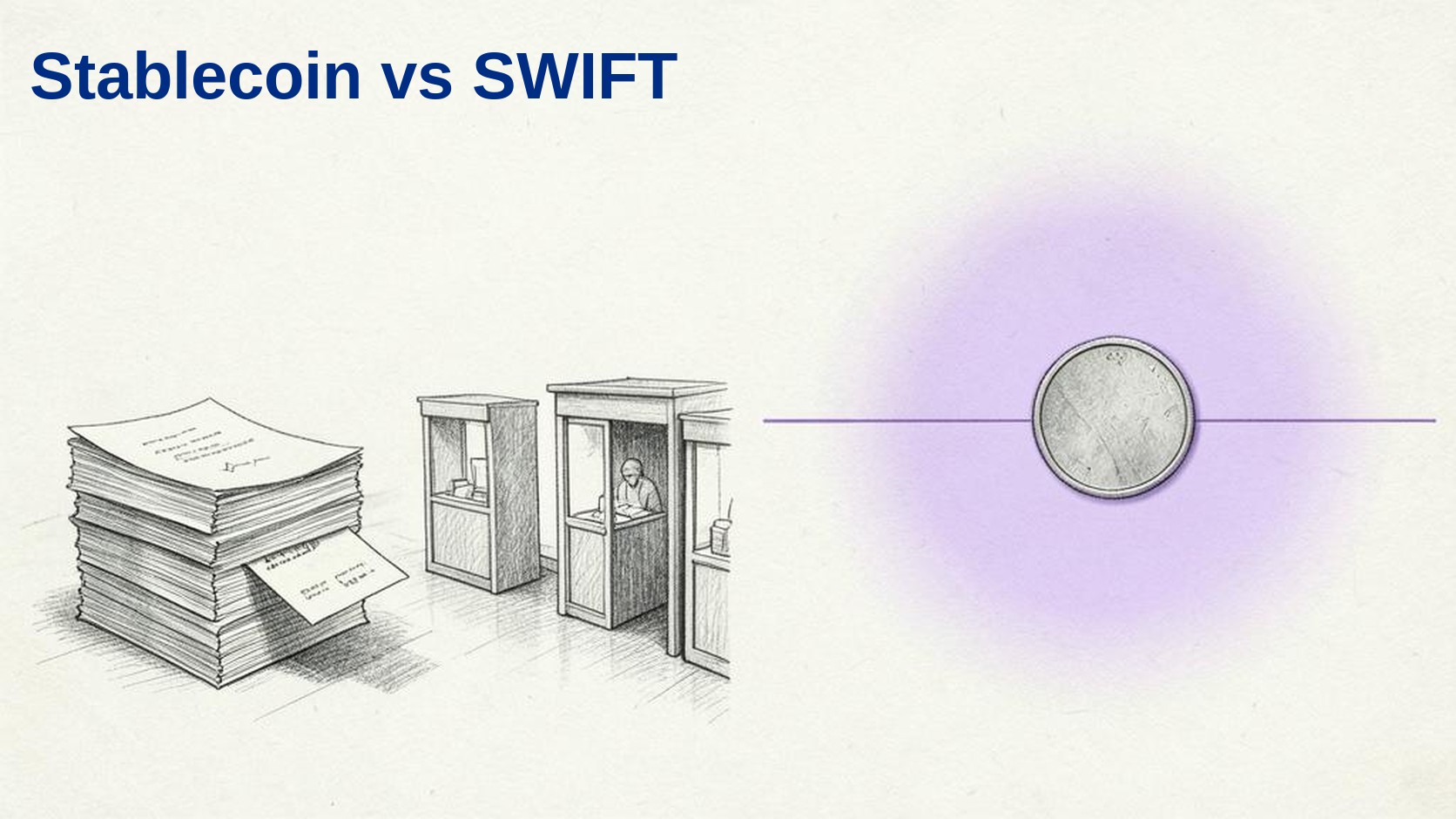
Stablecoin vs SWIFT: Key Differences (2026)
Stablecoin payments vs SWIFT compared on settlement speed, cost, and reliability for cross-border business payments.
 Infrastructure
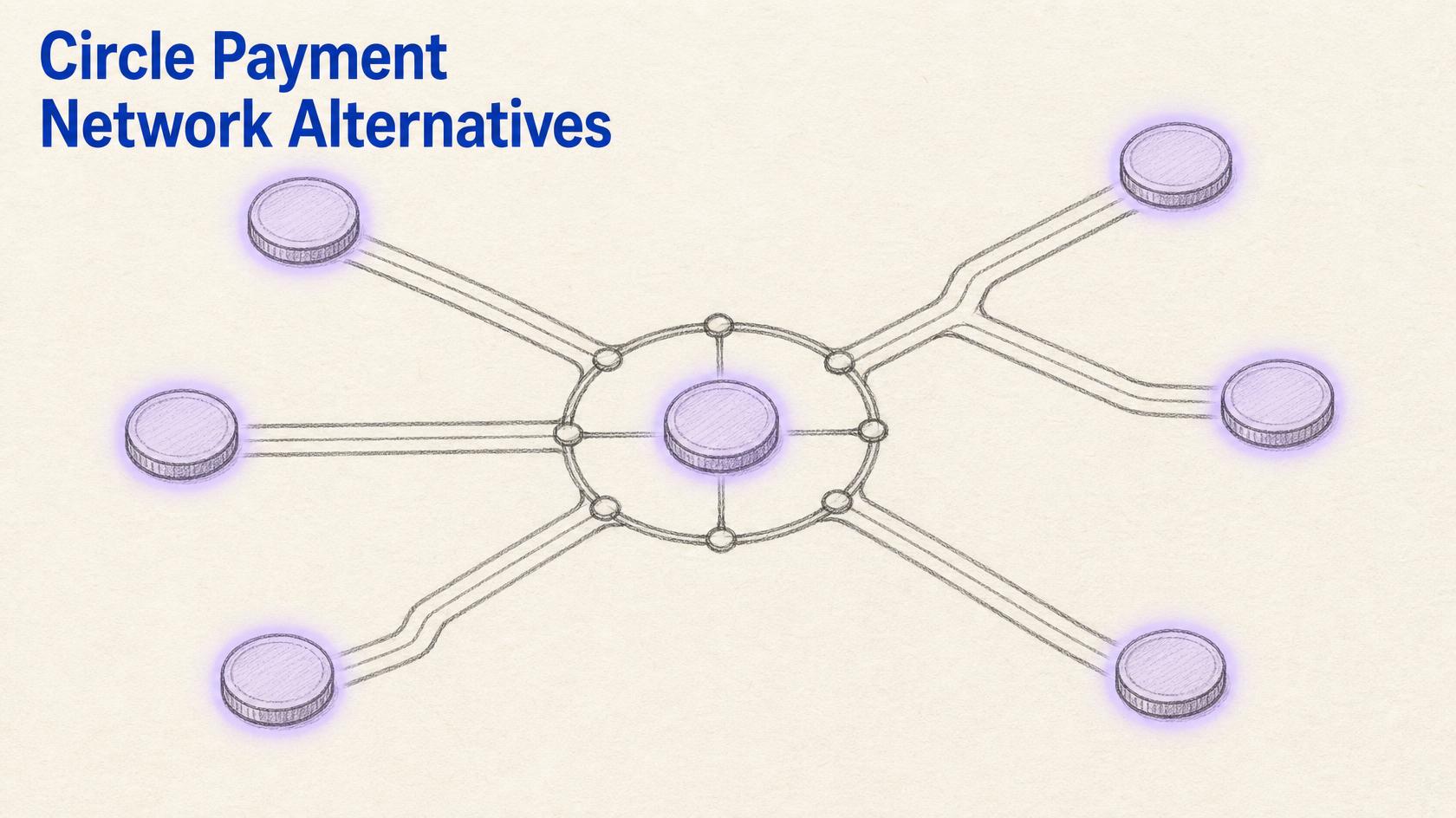
Circle Payment Network Alternatives Compared (2026)
Bridge, BVNK, Zero Hash, and Brale compared against Circle's Payment Network on multi-stablecoin support, fiat corridor reach, and issuance flexibility.
 Infrastructure
7 Stripe Stablecoin Alternatives Compared (2026)
BVNK, Conduit, Zero Hash, Sphere, and more compared against Stripe's Bridge-powered stablecoin stack on independence, corridors, and compliance depth.