There is no crypto card issued by American Express. The main Amex-network crypto card is the Coinbase One Card, a credit card for U.S. Coinbase One members that earns 2% to 4% back in bitcoin depending on assets held on Coinbase, issued by First Electronic Bank rather than by American Express itself.
That distinction is not pedantry. The network, the issuer and the program partner each control different parts of the cardholder relationship, and confusing them leads to wrong assumptions about approval, servicing and rewards. This note separates the layers.
Definition: What an Amex Crypto Card Actually Is
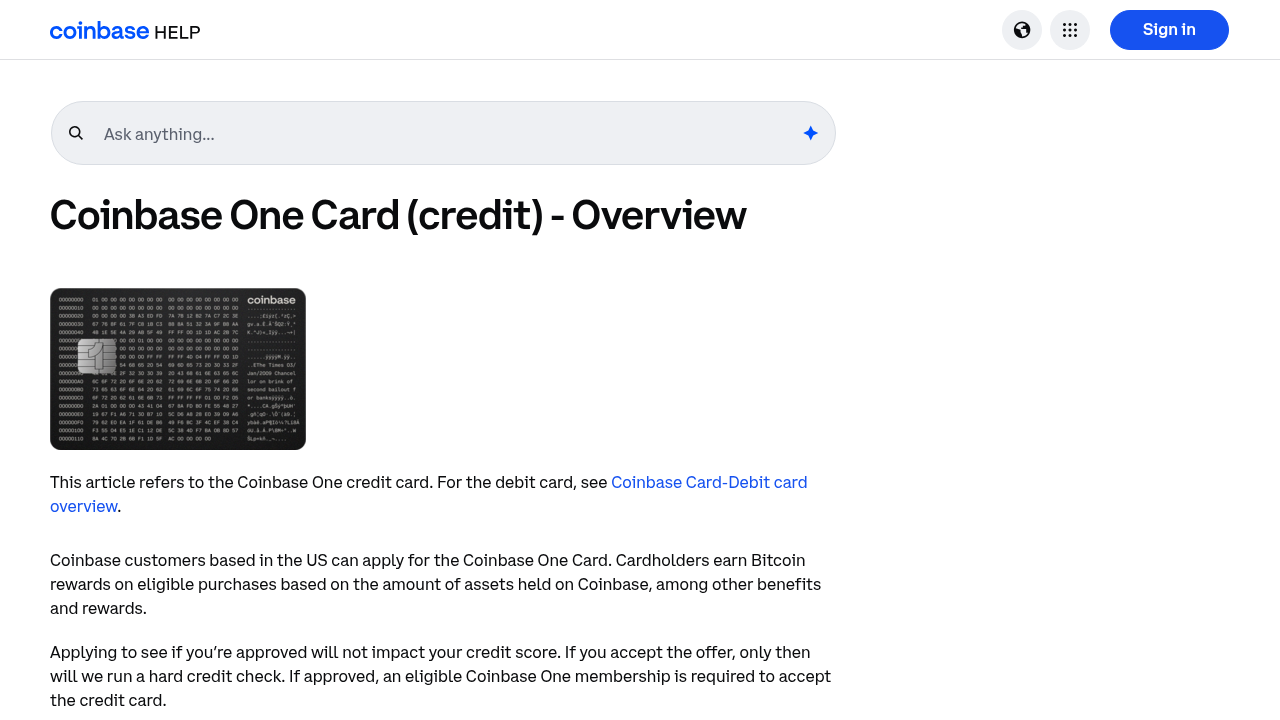
An "Amex crypto card" is shorthand for a card that runs on the American Express network and pays rewards in a crypto asset. In practice, that means the Coinbase One Card. American Express announced the card in June 2025, naming Coinbase and Cardless as providers and First Electronic Bank as issuer.
Amex supplies the rails. Coinbase supplies the customer and the bitcoin. Cardless and First Electronic Bank supply the credit infrastructure and the balance sheet.
In plain language
It is a Coinbase-branded credit card that uses Amex acceptance and pays you in bitcoin, but your lender is a bank you have probably never heard of.
Card summary table
| Attribute | Detail | Source |
|---|---|---|
| Network | American Express | American Express newsroom; NerdWallet |
| Issuer | First Electronic Bank | American Express newsroom |
| Program partner | Cardless (embedded credit card platform) | American Express newsroom; Cardless |
| Rewards | 2% to 4% bitcoin back, tiered by assets held on Coinbase | PYMNTS; American Express newsroom |
| Eligibility | Coinbase One members in the U.S. | CNBC; PYMNTS |
| Account handling | Does not appear in your Amex account | Coinbase Help Center |
Takeaway: treat Amex as the network, not the lender. Every servicing and credit question routes through Coinbase and its issuing partners.
How the Rewards Mechanism Works

The reward design is a retention lever, not a flat cashback rate. It ties card economics to how much of a member's balance sheet sits on the exchange.
Tiered bitcoin back
According to PYMNTS, citing Coinbase's announcement, members earn between 2% and 4% bitcoin back on every purchase, depending on the amount of assets they hold on the Coinbase platform. Coinbase's own card page advertises up to 4% back in bitcoin plus the benefits of a Coinbase One membership.
The first-principles read: this is passive supply acquisition. Coinbase pays a higher rebate to users who park more assets on-platform, which deepens custody balances and lowers churn. The specific asset thresholds for each tier are set by Coinbase; check current terms before modeling returns.
Worked example
For example, assume a cardholder spends $1,000 a month on the card.
- At the 2% tier, monthly rewards equal $20 in bitcoin, or $240 a year.
- At the 4% tier, monthly rewards equal $40 in bitcoin, or $480 a year.
- The $240 annual gap is the incentive Coinbase offers for moving more assets onto its platform.
Two caveats apply. Rewards are denominated in BTC, so their dollar value moves with the bitcoin price after accrual. And the membership fee offsets part of the yield; PYMNTS reported a Coinbase One Basic tier at $4.99 a month or $49.99 a year that includes the card's benefits.
Takeaway: the effective reward rate is a function of spend, on-platform holdings and membership cost, not the headline percentage alone.
Eligibility, Limits and Account Structure
Coinbase One membership requirement
CNBC reported the card as Coinbase's first branded credit card, available exclusively to U.S. Membership is the gate; the credit decision comes after. Coinbase's help center describes a flow to check eligibility, apply and see whether you are approved.
Credit limits are set at underwriting by the issuer and depend on the applicant's profile. No universal limit should be assumed.
Network benefits and Amex account separation
NerdWallet notes the card operates on the American Express network, so holders get network-level benefits. PYMNTS lists those as experiences, offers and protections, per Coinbase.
The operational quirk: Coinbase's help center states that although the card runs on the Amex network, it will not appear in your Amex account. Existing Amex cardholders should expect a separate login, statement and servicing channel.
Takeaway: network benefits travel with the card; the account relationship does not.
Why It Matters for Crypto Spenders
The card is a hot-start product. Coinbase launched it into an existing subscriber base rather than acquiring cardholders from zero, which PYMNTS put at nearly 1 million Coinbase One members.
Three use cases stand out:
- Bitcoin accrual on everyday spend. Users who want BTC exposure without discrete purchases accumulate it as a byproduct of consumption.
- Network acceptance. A credit card on the Amex rails avoids the merchant-side friction of paying directly in crypto.
- Subscription bundling. The card sits inside Coinbase One, so its value is best measured alongside the membership's other benefits.
It is not the only model. See the Gnosis Pay review for more on this card. Many crypto cards are debit or prepaid products funded from a custodial or self-custody balance, with different trade-offs on spending power and rewards.
Takeaway: the Coinbase One Card fits users already concentrated on Coinbase; spend-from-balance cards fit users who want to spend existing crypto or stablecoins.
Common Misconceptions
Misconception: Amex issues the card / Reality: First Electronic Bank issues it
American Express's own announcement names First Electronic Bank as issuer. Amex provides the network.
Misconception: It is a debit or prepaid crypto card / Reality: It is a credit card
Coinbase's help center labels it the Coinbase One Card (credit), and CNBC describes it as a credit card. Purchases draw on a credit line, not a crypto balance.
Misconception: Anyone can apply / Reality: Coinbase One members only
CNBC and PYMNTS both report U.S. Coinbase One membership as a requirement, and approval still applies after that.
Takeaway: the logo on the card tells you the rails, not the lender or the eligibility rules.
Related Concepts
Card network vs issuer
The network routes and authorizes transactions and sets acceptance rules. See Ripple and Mastercard partnership explained for related background. The issuer extends credit, underwrites applicants and holds the receivable.
Cardless embedded credit
Cardless is an embedded credit card platform and the program partner behind the Coinbase One Card.
Coinbase One
Coinbase's paid subscription program, which launched in 2023 and bundles trading and account benefits with access to the card.
Crypto cashback
A rewards structure that pays rebates in a crypto asset instead of dollars or points, adding price exposure to the reward.
Stablecoin cards
Cards that let holders spend dollar-pegged tokens such as USDC at merchants.
How to Get Started

- Confirm Coinbase One status. The card requires U.S. membership; check which tier you hold and its fee.
- Review the card terms. Use the eligibility check on Coinbase's help center and read the reward tier thresholds before applying.
- Compare structures. Weigh a credit card with BTC rewards against spend-from-balance options; the Ether.fi card review is a useful contrast for on-chain spending.
Takeaway: decide first whether you want credit with crypto rewards or a way to spend crypto you already hold.
FAQ: Frequently Asked Questions
Does American Express offer its own crypto card?
No. American Express does not issue a crypto card itself. The Coinbase One Card runs on the Amex network, but it is issued by First Electronic Bank and branded by Coinbase, with Cardless as program partner.
Who issues the Coinbase One Card?
First Electronic Bank is the issuer, according to American Express's June 2025 announcement. That makes it the lender on the account, while American Express provides the payment network and Coinbase provides the brand and rewards.
How much bitcoin back can you earn?
Between 2% and 4% bitcoin back on purchases, according to PYMNTS citing Coinbase. The rate depends on the amount of assets you hold on Coinbase, so higher on-platform balances unlock the upper tier.
Do you need Coinbase One?
Yes. CNBC reported the card is exclusive to U.S. Coinbase One members. Membership grants access to apply, but the issuer still runs a credit decision before approving any applicant for the card.
Will it appear in my Amex account?
No. Coinbase's help center states the card will not appear in your Amex account even though it runs on the Amex network. Expect to manage it through Coinbase's own channels instead.
Is it available outside the U.S.?
Reported launch details describe the card as available to Coinbase One members in the U.S. only. Readers outside the U.S. should check Coinbase's current terms for any changes to regional availability.
What is Cardless's role?
Cardless is the embedded credit card platform behind the product. It works with Coinbase and First Electronic Bank on the co-branded credit program.
Conclusion
The "Amex crypto card" is a layered product: Amex rails, a First Electronic Bank balance sheet, Cardless infrastructure and Coinbase's subscriber base. Its reward schedule is explicitly designed to pull assets onto the exchange. The open question for allocators is whether exchange-linked credit cards become a durable custody acquisition channel, or whether stablecoin-native spend products eventually make the credit wrapper unnecessary.