For US finance professionals, the best crypto card depends on card type and holding requirements. Credit cards such as Gemini and Coinbase One pay up to 4% back, while prepaid and non-custodial options suit those who want to spend directly from balances. Many ranking pages list dozens of cards, so a shorter list with stated criteria is easier to evaluate. This one ranks seven US-relevant cards by stated criteria. For deeper context on the settlement rails behind these products, see our onchain finance primer for finance professionals.
How we ranked these crypto cards

A crypto card is a payments product first and a crypto product second. The ranking reflects that.
- US availability. A card that cannot be issued to a US resident does not qualify.
- Reward rate and unlock conditions. A headline rate matters less than what it takes to earn it: category caps, holding thresholds, membership fees.
- Fees and FX cost. Annual fees, foreign transaction fees and conversion spreads erode stated rewards.
- Custody model. Custodial cards hold assets with the issuer or exchange; non-custodial cards keep funds in a wallet the user controls until point of sale.
- Fit for finance professionals. Credit building, reporting clarity and concentration of counterparty exposure.
Some links on this site are referral links. They do not affect verdicts.
Quick summary
- Gemini Credit Card: tiered crypto rewards with no holding threshold. Best Overall
- Coinbase One Card: Bitcoin rewards scaling with Coinbase holdings. Best for BTC Rewards
- ether.fi Cash: flat cashback on a non-custodial card. Best Cashback
- Fold Bitcoin Credit Card: Bitcoin back on a credit card. Best for Bitcoin Stackers
- Coinbase Card: prepaid Visa debit with crypto rewards. Best Prepaid
- BitPay Card: prepaid Mastercard loaded with Bitcoin. Best for Spending BTC
- Crypto.com Visa: tiered program with a US credit option. Best for Crypto.com Users
At a glance: US crypto cards compared
| Rank | Card | Card type | Reward rate stated | Holding or membership requirement | Best for |
|---|---|---|---|---|---|
| 1 | Gemini Credit Card | - | - | - | - |
| 2 | Coinbase One Card | Credit (Amex) | 2% to 4% in BTC | Coinbase One membership; rate by holdings | Heavy Coinbase users |
| 3 | ether.fi Cash | Visa, non-custodial | 3% flat, 4% VIP | No staking or spend threshold | Onchain balances |
| 4 | Fold Bitcoin Credit Card | Credit (Visa) | See issuer | See issuer | Bitcoin accumulation |
| 5 | Coinbase Card | Prepaid Visa debit | Up to 4% | See issuer | Debit users |
| 6 | BitPay Card | Prepaid Mastercard | Merchant rewards in app | Loaded with Bitcoin | Spending BTC |
| 7 | Crypto.com Visa | Debit and US credit | See issuer | See issuer | Existing Crypto.com users |
The split that matters is credit versus prepaid. Credit cards defer settlement and pay rewards on fiat spend, so no crypto is sold at checkout. Prepaid and debit cards spend from a loaded balance, which can mean a disposal event on each purchase if that balance is a volatile asset.
1. Gemini Credit Card
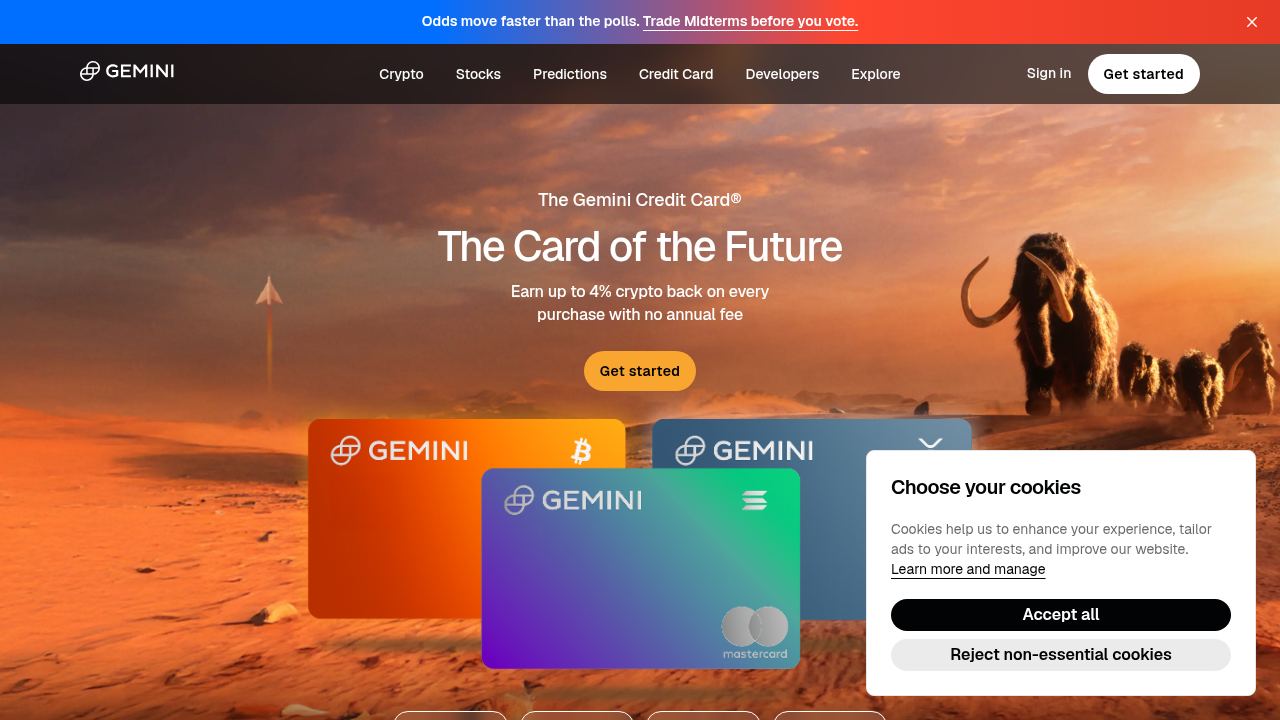
The Gemini Credit Card is the cleanest structure in the set: real tiers, no holding threshold.
CNBC Select lists a regular APR of 18.49% to 34.49% variable.
- Custody: custodial; rewards land in a Gemini account.
- Who it's for: professionals who want crypto exposure from routine spend without parking assets on an exchange.
- Caveat: rewards vary by category, and the 4% tier is capped. Blended returns for most spending profiles will sit well below the headline.
Takeaway: no holding requirement means no balance-sheet commitment to earn the stated tiers.
2. Coinbase One Card
The Coinbase One Card ties reward rate to holdings, which makes it a different instrument.
CoinGecko describes it as an Amex credit card paying 2% to 4% back in Bitcoin based on how much the cardholder holds on Coinbase. SpendNode lists up to 4% rewards and 0% FX for the Coinbase One Card. CNBC Select confirms the membership requirement.
- Custody: custodial.
- Who it's for: users already holding meaningful balances on Coinbase who want BTC accrual.
- Caveat: it concentrates exposure. Assets, membership and rewards all sit with one counterparty, and the top rate effectively requires keeping more capital on the exchange.
Takeaway: treat the holding requirement as a cost of capital, not a free upgrade.
3. ether.fi Cash
ether.fi Cash is the card for balances that already live onchain.
CoinGecko reports a flat 3% cashback on every tier and 4% on VIP, with no staking or spend threshold required. SpendNode lists FX costs that fall by tier: 0.5% on Core, 0.25% on Luxe and 0% on Pinnacle and VIP. The card spends from USDC or LiquidUSD in a wallet the user controls.
- Custody: non-custodial.
- Who it's for: DeFi-native operators who want to spend stablecoin balances without off-ramping to a bank first.
- Caveat: smart contract risk replaces counterparty risk. A bug or oracle failure is now the primary threat.
Our full assessment is in our ether.fi card review.
Takeaway: a flat rate is easier to model than a tiered one, which matters for treasury forecasting.
4. Fold Bitcoin Credit Card
- Custody: rewards accrue in the Fold app.
- Who it's for: Bitcoin-focused users who also want to build credit history.
- Caveat: the top reward rate comes with conditions. Check current terms with the issuer before modeling returns.
Takeaway: useful for single-asset accumulation strategies, less so for diversified reward preferences.
5. Coinbase Card
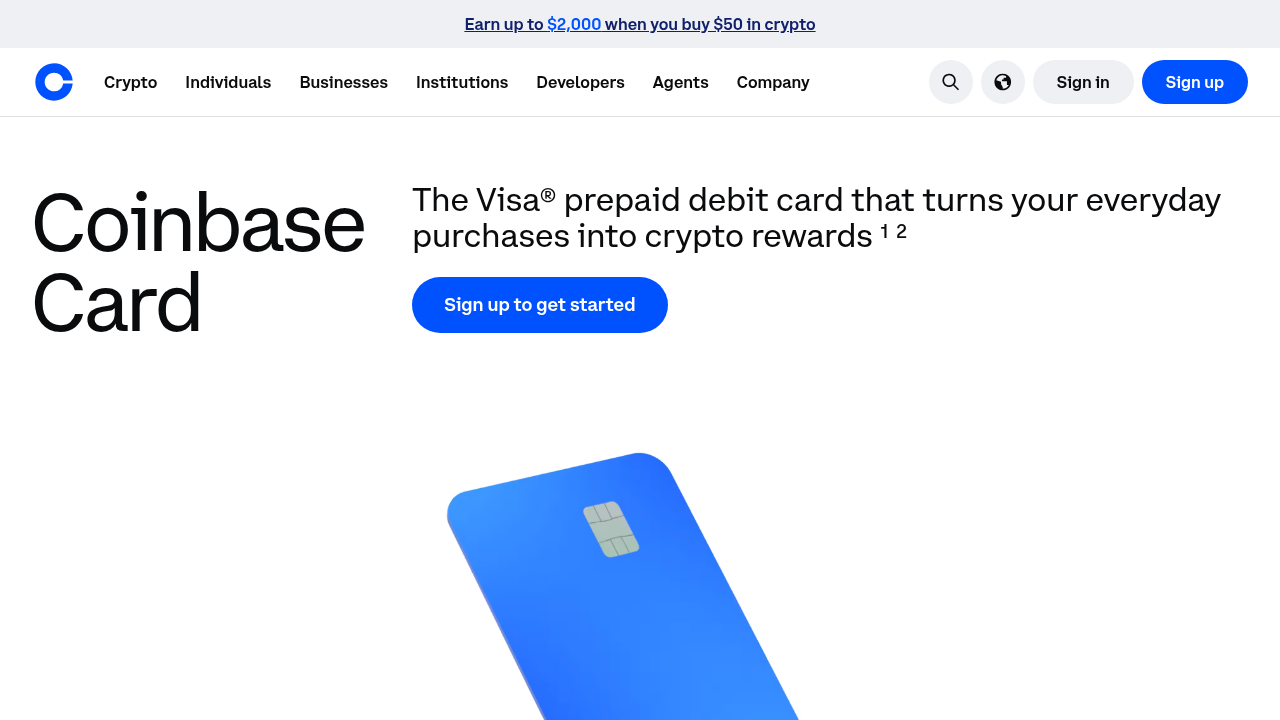
The Coinbase Card is the prepaid counterpart to the Coinbase One Card. For another option, see the Nexo card review.
SpendNode lists rewards of up to 4% and 0% FX. Per SpendNode, the prepaid card is open to all Coinbase users with rotating crypto rewards.
- Custody: custodial.
- Who it's for: users who prefer debit and do not want a credit line.
- Caveat: prepaid means no credit building, and spending crypto directly can create taxable disposals.
Takeaway: a low-friction entry point, but not a substitute for a credit card in a professional's wallet.
6. BitPay Card
SpendNode describes BitPay as the first major US crypto card: a prepaid Mastercard loaded with Bitcoin, usable anywhere Mastercard is accepted, with merchant rewards in the BitPay app.
- Custody: funds are loaded to the card balance.
- Who it's for: holders who want to convert BTC to spend at the point of loading.
- Caveat: funding is Bitcoin-centric, and rewards are merchant-specific rather than a flat rate.
Takeaway: a spending utility, not a rewards product.
7. Crypto.com Visa
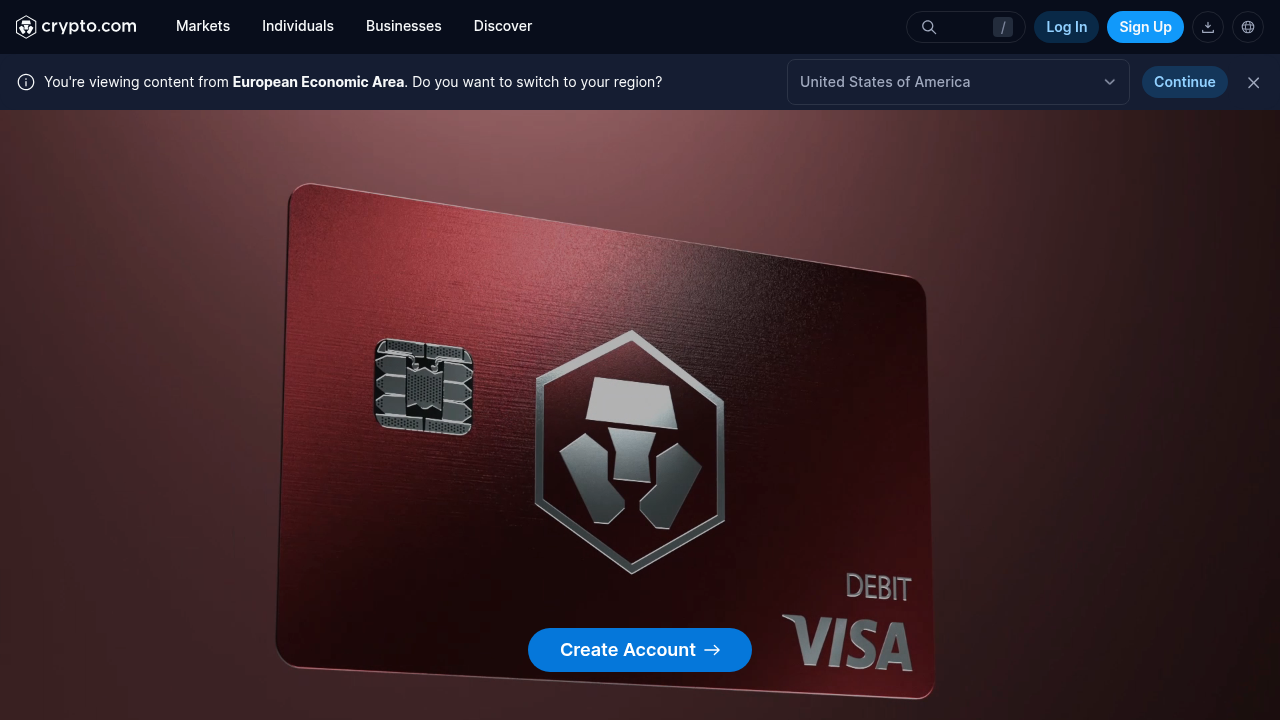
Crypto.com runs a card program with several tiers. SpendNode reports the program offers up to 8% CRO rewards across six tiers, from a free entry tier to an invitation-only Prime card tied to a large stake.
- Custody: custodial.
- Who it's for: existing Crypto.com users comfortable with CRO exposure.
- Caveat: top tiers depend on staking the issuer's token, which adds volatility to the reward math.
Takeaway: the headline rate is a function of token exposure.
How to choose

Start with card type. If you want credit history and to avoid selling crypto at checkout, choose a credit card such as Gemini or Coinbase One. Then examine unlock conditions: Gemini pays its tiers without a holding requirement, while Coinbase One scales with balances kept on the exchange. If your capital already sits in stablecoins onchain, a non-custodial card like ether.fi Cash trades counterparty risk for smart contract risk. The implication: reward rate is the last variable to optimize, not the first.
FAQ: Frequently Asked Questions

What are the best crypto credit cards?
For US users, the Gemini Credit Card and Coinbase One Card lead. Gemini pays up to 4% with no holding threshold; Coinbase One pays 2% to 4% in Bitcoin based on Coinbase holdings and requires membership.
What is the difference between custodial and non-custodial crypto cards?
Custodial cards hold your assets with the issuer or exchange. Non-custodial cards keep funds in a wallet you control until purchase, removing counterparty exposure but adding smart contract and key-management risk.
Do crypto card rewards require holding assets?
It depends on the card. Gemini and ether.fi Cash state no holding threshold for their rates. Coinbase One scales rewards with Coinbase holdings, and Crypto.com's higher tiers tie to staking its token.
Are crypto card rewards taxable?
Generally, spending crypto from a debit or prepaid card can trigger capital gains, and rewards may carry their own tax treatment. Rules depend on your situation, so confirm reporting with a qualified tax adviser.
Are referral links on card reviews a conflict of interest?
They can be if they shape rankings. Some links on the site are referral links, which the site says never affect its verdicts, and every comparison uses the same criteria for every product, partners included. Check whether any review site discloses its commercial model.
Conclusion

Crypto cards are converging on the economics of conventional rewards cards, with one structural difference: the reward asset and the custody model now carry risk of their own. The open question for 2026 is whether issuers keep subsidizing 4% rates once stablecoin spending scales, or whether flat, modelable cashback becomes the default.